Understanding the Economic Struggles Under Tinubu's Leadership
This article examines the economic difficulties Nigerians are experiencing under Tinubu's government, highlighting differing opinions on the severity of the situation.
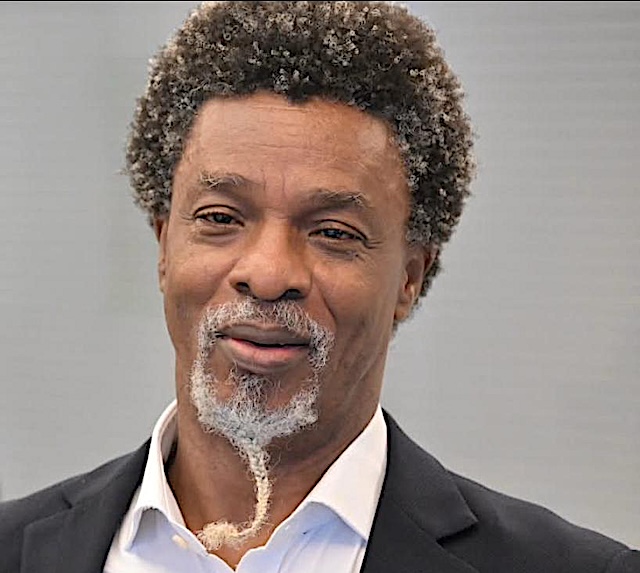
My daughter was on the Virgin Atlantic Flight that took off from Lagos to London today. I asked her to check if the plane was full or almost empty because of all the noise about the 'hardship' in our country.
My daughter sent back this one-line text, after boarding: 'daddy, the flight was filled up o.'
This was Mr Bayo Onanuga, on 6 September 2016, writing on his Facebook page. He used this example to show his concerns with local media. Mr Onanuga’s daughter's message made him “wonder whether all the seeming orchestrated campaign in the media was not mere propaganda to make the Buhari regime look really bad.” He urged the media to “objectively conduct a reality check about our reports, whether we are not over sensationalising so-called hardship that we talked about.”
Last week, Mr Onanuga made news again. This time he tried to challenge the idea that Nigerians are worse off under the Tinubu administration. If anything, Mr Onanuga has a history of this kind of argument. If the papers are to be believed, just like during the Buhari administration, he is again struggling to see the hunger that a lot of Nigerians are facing. Given how quickly he calls critics of the Tinubu government “economic illiterates,” one must assume that Mr Onanuga knows a lot about economics.
This should make it easy for him to follow the facts. Before and after Tinubu took office on 29 May 2023, the official exchange rate was about ₦464/US$1. By late May 2023, the parallel market rate was around ₦750, ₦775/US$1. The naira briefly traded above ₦1,500/US$1, and sometimes nearly ₦1,900/$1 in some markets in early 2024. Now, it is steady around ₦1,400/US$1. Prices of imported goods have gone up due to inflation.
The central bank has tried several measures. They included raising interest rates, clearing foreign exchange backlogs, tightening foreign-exchange market rules, and increasing dollar inflows from investors to help ease the crisis. Surely, Mr Onanuga knows that the central bank’s role is like the “chaperone who ordered the punchbowl removed just when the party was really warming up”, and what this means for economies?
Just before the Tinubu administration took over, the official pump price of petrol was around ₦185, ₦210 per litre, depending on where you are. After President Tinubu announced that “fuel subsidy is gone,” the Nigeria National Petroleum Corporation (NNPC) raised prices to about ₦488, ₦500 per litre within days. We all know where fuel prices are today. This has affected inflation, especially with the naira's decline.

The reforms that brought the economy to this point were necessary. There is no doubt about that. For a long time, past Nigerian governments lived beyond their means, leaving the people with a weak economy. Better use of resources and improved price setting was always going to lead to better economic outcomes. An economist like Mr Onanuga should understand that changes in investment, productivity, and GDP that the Tinubu government wants will not happen overnight, no matter how smart the president is. These results will take more than one election cycle to show. Meanwhile, the impact on inflation, disposable income, and consumption was immediate and negative.
This is the pain versus gain discussion around reforms. It shows that serious reform efforts can create both winners and losers. By recognizing the impact on the poor and vulnerable, there is a strong case for support to help cushion this effect. The Tinubu government’s increase in the national minimum wage last July was one attempt to lessen the negative impact of its reforms on the economy.
But wage increases come with their own problems. Without higher productivity or more goods and services available (which we do not have), they often lead to a rise in prices. Many workers in Nigeria operate in the informal sector and do not earn the minimum wage. So, whether Mr Onanuga likes it or not, the logic behind his government’s reforms and our economy means that many people are still suffering.
Furthermore, more reforms need to take place to strengthen the price-setting gains made earlier by the administration. There should be less bureaucracy, more market-driven results, and a better regulatory environment focused on consumer welfare, these are the changes the Tinubu administration needs to start implementing.
This is why it matters that the IMF, which also analyzes economies, believes that “conditions for many Nigerians remain difficult.” In its latest report, the fund states, “Poverty reached 63 percent (national poverty line), and 27 million Nigerians are estimated to have faced food insecurity in the fall of 2025.” Given all this, it is surprising that Mr Onanuga does not see any negatives in his government’s policies. It is even more concerning if the Tinubu government relies on advice like his for its decision-making.

Comments
No comments yet.