Understanding the Local Impact of Tinubu's Reforms
This article discusses the local impact of Tinubu's reforms, highlighting changes in the economy and public perceptions of financial growth.
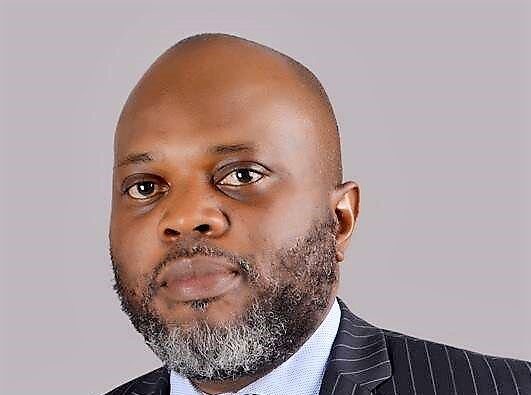
Our people often hesitate to acknowledge good fortune, but we have learned to see where changes are making a difference. The flow of money and the strong performance of the capital markets can be linked to reforms in the foreign exchange market. One key figure, Mr Femi Otedola, thinks that the naira could reach ₦1,000 for one dollar by December. This is a prediction we should all take seriously.
Recently, I spoke to about 20 Executive MBA students. When we talked about the economy, they all seemed to think that things were worse than before. By the end, I showed them that their initial thoughts were a bit exaggerated and came from a common mindset. I quickly assessed the group, dividing them into those who earned salaries and those who ran businesses. I asked the salary earners who had not seen their pay doubled in the last three years. About 70 percent admitted their salaries had doubled or even tripled recently. It’s interesting because people usually don’t easily admit these things.
For those who owned businesses, I asked what type of businesses they were running. The opinions in the room began to split, with some expressing their political views more openly. I knew I wouldn’t change their minds immediately, but I was glad to plant some seeds of thought. One gentleman, who was quite vocal, mentioned he was in real estate in Abuja. We discussed his challenges selling properties. We concluded that he might be too focused on the luxury market, where sales can be tough.
It’s important for supporters of the current administration to engage with differing views, but we should back our arguments with facts. Many people just need clear explanations that break down the issues and reveal the psychological factors affecting Nigeria today. We may not win every debate, as the Yorubas say, “ariwo oja,” but we must not stay silent while others spread ignorance, which benefits a desperate opposition.
Fortunately, there are examples and explanations from different places that help us understand what’s happening in Nigeria. Our country seems to be facing a situation called ‘vibecession’ (a mix of “vibe” and “recession”). This term, created by economic commentator Kyla Scanlon, refers to when public feelings about the economy are very negative, driven by media reports and general anxiety, despite data showing stability or growth. Given Nigeria's heavy social media presence, we must tread carefully with this issue. Key points about ‘vibecession’ include:
- Social Contagion: People repeat negative economic news because it becomes the default story.
- Loss Aversion: People focus on high prices or bad news while ignoring their own progress.
- Negativity Bias: People tend to remember negative experiences more than positive ones of the same weight.
- Media Framing: How media outlets choose and present details affects public understanding.
- Negative Solidarity: People bond over shared struggles, feeling that if others suffer, they should vent together.
- The Sentiment-Reality Gap: The difference between data showing economic progress and the common feeling that things are still bad.
The ball has bounced even further. As stock market capitalisation has risen dramatically, we see more importance on local investment in Nigeria. A large part of the ₦130 trillion increase in our stock market capitalisation (between 82 and 88 percent) comes from local investors who are now leading the market. Recent recapitalisation in banking and insurance has raised ₦4.6 trillion and ₦300 billion, mostly from local investors, without major distress this time.
Let’s examine how some policies have affected the people:
- NELFUND: This reform in education is a good example. As of last week, NELFUND had given ₦303 billion to 1.64 million students in Nigerian universities. Around 300 higher institutions are part of this scheme. These loans help students, but let's consider where the money has gone: the ₦303 billion mainly went to universities and polytechnics, easing the financial burden on parents. Students only need to pay back the loans after they start earning. How can anyone say Tinubu's policies haven’t helped? The universities are now financially stable. They can pay salaries on time, and contractors are settled too, reducing strikes. The university communities are thriving, and students can pay some of their hostel rents, helping landlords near universities. Additionally, 1.64 million students receiving ₦20,000 monthly means ₦32.8 billion goes to local businesses like catering and retail.
- STOCK MARKET: The growth in the stock market is also impressive. Since President Bola Ahmed Tinubu took office, market capitalisation climbed from ₦40 trillion to ₦160 trillion. This increase of about ₦120 trillion since May 29, 2023, is due to new listings and positive trading. Companies are now better funded to operate and pay higher salaries. Firms listed in Nigeria provide jobs for millions, including foreign workers. Their ability to pay salaries regularly is a positive for our economy. Even secondary market trading benefits Nigerians. Commissions from share trading support stockbroking firms, helping them keep staff employed. These companies, along with stockbrokers, pay taxes that fund infrastructure and services we often take for granted. This is significant. The stock market supports countless families across Nigeria, from banks to oil and insurance companies. The growth of ₦120 trillion is no small change. We need to push back against negative narratives about our economy. There is a lot happening. Don’t forget that Nigeria has seven stock exchanges, not just one. Others like the Lagos Futures Exchange and FMDQ are also performing well, even if at a slower pace. The entire system includes stockbrokers, banks, and regulators, making it huge.
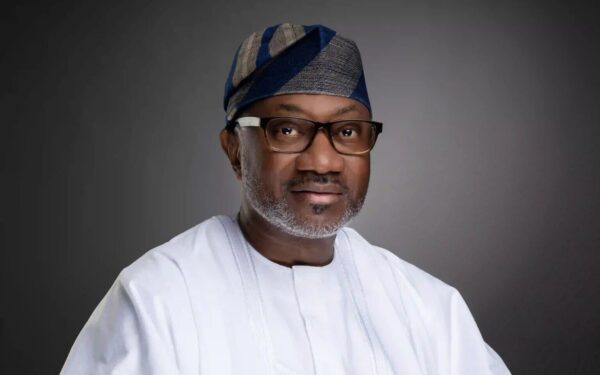
Our economy is improving, and many governors claim they haven't borrowed since 2023. This is notable. They say their revenue has tripled since pre-2023 levels. When I checked the numbers in 2025, only Enugu, Lagos, Niger, and Rivers States had borrowed by 2024. Even Lagos State didn't borrow for two out of three years! Something has certainly changed in our financial landscape, and many in the opposition struggle to understand this new reality. This change is largely due to the end of wasteful subsidies, better revenue collection, and unifying the naira rate. At the Delta State Investment Summit, Governor Oborevwori pledged not to borrow for eight years, while Governor Soludo, who hasn’t borrowed in over three years, hinted he might consider borrowing in the future.
Clearly, the Nigerian economy is on the rise, and many people are benefitting as workers, investors, contractors, and innovators. As I finished this article, Mr President addressed poverty in the country, urging Nigerians to stop exploiting each other over the CNG issue. He expressed confidence that the reforms are not pushing people into poverty but instead lifting many out of it.
Since May 29, 2023, over ₦20 trillion has been allocated to states and local governments through FAAC, along with another ₦2.9 trillion in intervention funds. States like Akwa Ibom have spent over ₦4 trillion from their FAAC and internal revenue. This is impressive! I believe that the funds reaching states will impact the grassroots, even if governors focus on major infrastructure. Their reluctance to borrow means they are funding long-term projects with monthly income, which could create a mismatch. Without involving the community in these projects, we risk marginalising the poor while others prosper. Governors should strive to give local businesses opportunities to participate in contracts.
The good fortunes of the states also mean they can settle contractors and suppliers quickly. Many contractors prefer working with states over the Federal Government because states can pay faster now. I have been telling people to leave Abuja and Lagos and get involved with their local governments. A lot is happening at that level. The ball keeps bouncing, and new wealth is emerging. Notably, no state owes any salaries right now. People often reminisce about the days of the Peoples Democratic Party (PDP), but when I looked into it, here’s the salary payment situation since 1999:
- 1999, 2007 (Obasanjo Era): 15 states often failed to pay salaries.
- 2007, 2010 (Yar’Adua Era): Five states struggled with salary payments.
- 2010, 2015 (Jonathan Era): 23 states had salary and pension debts by the end of this period.
- 2015, 2023 (Buhari Era): 27 states owed salaries to teachers and staff, leading to multiple bailout packages from the Federal Government.
- 2023, Present (Tinubu Era): 0 (zero) states owe regular monthly salaries to civil servants. However, some states still have legacy debts and salary backlogs.
As I mentioned earlier, it seems we have a problem with inequality and an informality crisis, which technology is helping to resolve rather than a poverty crisis. Thankfully, due to our social capital, there are no vast areas in Nigeria where people are dying from hunger. There are challenges at the family level, like in many countries. We are continuously researching the truth to intervene quickly. People also need to take responsibility and help themselves in a world that is becoming more individualistic.
The Nigerian economy is on the rise, and many people are benefiting as workers, investors, and contractors. As I concluded this article, Mr President spoke about poverty in the country, encouraging Nigerians to stop exploiting each other over the CNG issue. He firmly believes that the reforms have lifted many people instead of pushing them into poverty.
We need to cut through unnecessary political negativity. We must convince our people to wake up and see the truth. The economy is improving, and Nigerians should seize the opportunity while the government works towards better income equality and inclusive growth. More updates next week.
Comments
No comments yet.