Understanding the Security Issues in North-West Nigeria
The North-West Security Summit in Zamfara focused on the region's security challenges. Key leaders and experts shared their views on collective responsibility.
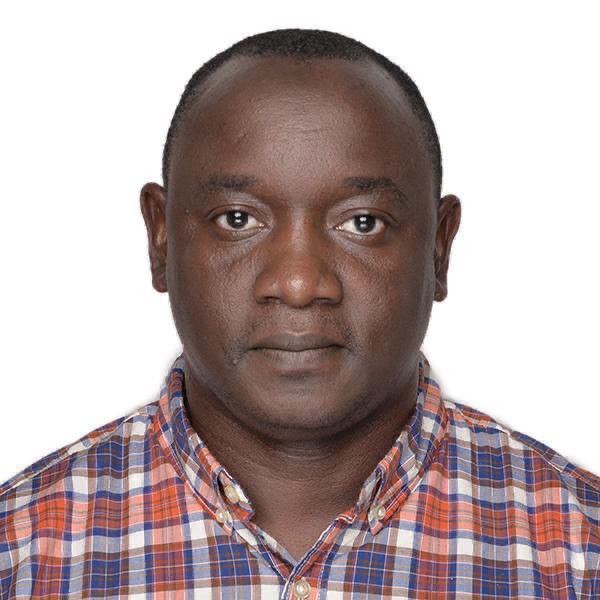
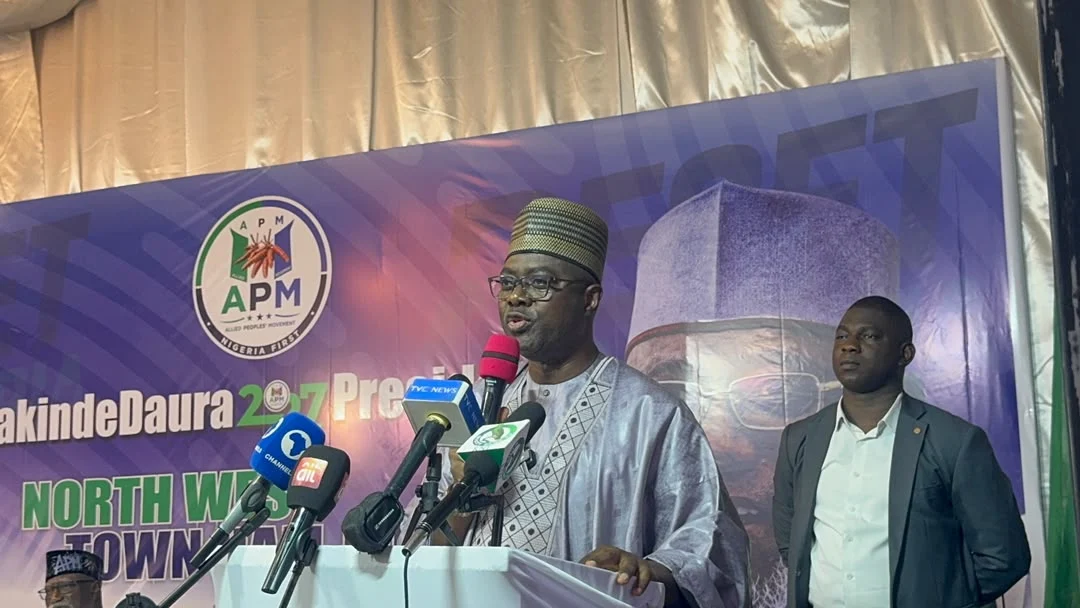
Last week, I was in Gusau, Zamfara State, as a panelist at the North-West Security Summit, themed "Understanding the Security Issues in the North-West." This event was organized by the Inspector General of Police, Olatunji Disu.
It was a week filled with discussions and reflections. It also gave me the chance to visit frontline areas for an assessment and check out the Theatre Command Headquarters of the Joint Task Force, Operation Fansan Yamma (OPFY), led by Major General WB Idris.
Some of us got there on Monday and Tuesday before the main event started. On the first day, the Governor of Zamfara State, Dauda Lawal, was there with his team. The Emir of Zamfara, Alhaji Attahiru Muhammad Ahmad, represented the Sultan of Sokoto, Alhaji Muhammad Sa’ad Abubakar III, and led the other traditional leaders. AVM Bashir Saidu Gamagira (rtd) represented the Emir of Zazzau, Ambassador Ahmad Nuhu Bamali. Other attendees included police commissioners, military heads, and several experts.
The Inspector General of Police, IGP Disu, kicked off the day with a powerful statement: "The security of the North-West is a collective responsibility and we are prepared to confront its challenges collectively. The North-West remains a region of enormous human, economic and cultural importance to Nigeria. It is home to millions of Nigerians, a region of rich traditions, vast agricultural potential, important commercial corridors and some of our most revered traditional institutions."
Disu added: "Yet, the region continues to confront serious security challenges, particularly banditry, kidnapping, arms proliferation, communal and ethnic conflicts, farmer-herder tensions, violent criminality and other forms of insecurity which threaten lives, livelihoods, economic activity and social cohesion. These challenges are serious. But they are not insurmountable."
On the way forward, the IGP stated: "What is required is not simply a multiplication of security operations. What is required is a coherent, sustained and intelligence-driven regional response, supported by political will, strong institutions, community participation and genuine collaboration among all stakeholders. This is the essence of this summit."
He continued: "Distinguished guests, our experience has taught us one fundamental lesson: no single security agency can secure the North-West alone. The police cannot do it alone. The military cannot do it alone. The intelligence agencies cannot do it alone. State governments cannot do it alone. Traditional institutions cannot do it alone. And, importantly, the communities themselves cannot be excluded from the security architecture."
Before handing the microphone back to Governor Lawal, the IGP expressed concern over ethnic profiling. He said: "We must also be very careful about how we define the problem before us. Criminality has no ethnicity and terrorism has no religion. We must resist the temptation to collectively label communities or ethnic groups because of the criminal conduct of individuals. Such profiling does not help security operations; rather, it creates mistrust, deepens divisions and can ultimately provide criminals with the environment they need to thrive."
Governor Lawal also spoke, saying: "The security crisis confronting the North-West has evolved beyond isolated incidents of criminality. Banditry, kidnapping for ransom, cattle rustling and other organised criminal activities have developed networks that operate across state boundaries, exploit difficult terrain, and threaten rural livelihoods, food security, education, investment and social cohesion. The summit document also rightly identifies emerging urban threats, including local thuggery, substance abuse and the infiltration of radical groups."
I agree with the governor’s points, especially considering the use of improvised explosive devices buried by bandits along routes used by security forces.
He reiterated the Zamfara State Government's stance: "There must be verifiable cessation of violence, disarmament, renunciation of criminality, appropriate accountability mechanisms, rehabilitation and reintegration, alongside adequate safeguards for affected communities. It cannot mean rewarding criminality or placing perpetrators above their victims. Effective security pressure can create the conditions under which genuine cessation becomes possible. Those who sincerely choose peace should have a structured pathway out of violence; those who reject peace and continue to terrorise innocent citizens must face the full consequences of the law."
During the technical sessions, panelists presented and discussed several topics, including "Cross-Border Arms Proliferation and Intelligence-Sharing Dynamics" and "Insecurity in the North-West: Causes, Impacts, Challenges and Prospects."
Former Inspector General of Police Usman Alkali Baba focused on security governance. He argued: "Security governance encourages the adoption of a multi-agency collaboration approach, which is the integration of a whole-of-government approach to the security management architecture and optimal engagement with the security ecosystem. It is founded on the principle of inter-security agency cooperation for a uniform understanding of the threat among state security services."
He explained: "Multi-agency collaboration remains a topical issue in the discourse on security governance. While it is undoubtedly critical in internal security management, my experience as Inspector General of Police indicates that the national security agencies, as currently constituted, are, in practice, more competitive than complementary in their relationships. Each agency operates largely in isolation rather than in collaboration."
He called for a formal protocol, saying: "To compound these challenges, there is, as of today, no National Inter-Agency Coordination Protocol to clearly delineate roles, address the identified challenges and set out clear procedures to govern the cooperation among national security agencies."
In his presentation, CP Ahmed Bello, the Commissioner of Police in Zamfara State, described insecurity in the North-West as a complex crisis affecting Jigawa, Kaduna, Kano, Katsina, Kebbi, Sokoto and Zamfara States. He noted that the region spans about 216,065 square kilometers, has an estimated population of 60 million and remains one of Nigeria’s major agricultural centres. Its international borders, forests and remote rural communities make effective security control difficult.
Bello traced the crisis from local disagreements over land, water and cattle to organised banditry, kidnapping, terrorism, cattle rustling, extortion and territorial control. He pointed out that porous borders, the spread of small arms, vast ungoverned spaces, climate change, farmer-herder conflict, poverty, youth unemployment, illegal mining and ideological infiltration are major causes.
He said weak border monitoring allows criminals, weapons and contraband to move through the region, while limited government presence and inadequate public services leave rural communities vulnerable. Environmental issues, desertification and shrinking water resources have led to competition among farmers and pastoralists. Poverty and unemployment make some young people open to recruitment, while illegal mining provides funds and support for armed groups.
Bello shared alarming statistics. He stated that 2,266 people were killed between January and June 2025, while over 580,000 people had been displaced by February 2025. He also highlighted how insecurity impacts farming. In some areas, farmers must pay illegal protection fees before accessing their farms, which cuts down food production and raises prices across the region.
He acknowledged challenges to security operations, including rough terrain, poor rural telecommunications, overburdened security forces, lack of equipment and training, weak amnesty programmes, vigilante conflicts, and poor regional border cooperation. He believes that military and police efforts alone cannot achieve lasting security without restoring governance and public services in affected communities.
CP Muhammad Rabiu, the Commissioner of Police in Kaduna State, described the North-West crisis as a changing security and governance emergency rather than a conflict with a single group. He explained that banditry, kidnapping, extremist infiltration and illegal activities reinforce each other. What started as cattle rustling and local disputes has turned into cross-border violence financed by ransom, extortion, stolen livestock and illegal mining.
Rabiu reported a 29 percent rise in violence in the North-West in 2024, over 900 deaths in Sokoto between 2024 and 2025, and almost 620,000 displaced people in the region by 2026. His figures differ from Bello’s, but both highlight the human and economic toll of the crisis.
Rabiu noted that joint operations like Operation Fansan Yamma had pressured armed groups, yet some had broken into smaller units, making them harder to track. Intelligence gaps, community mistrust, weak coordination, financing for crime, cross-border movement and inconsistent government policies still stall progress.
He suggested creating a regional intelligence system that combines human intelligence, geospatial intelligence, financial intelligence and shared operational records. He also called for providing security agencies with drones, reliable communication tools, mobile units, forensic facilities and quick response teams, especially in remote areas.
Rabiu pushed for tracking ransom and extortion payments, regulating legal mining, dismantling armed group-controlled mining sites, and closely monitoring livestock and arms markets. He emphasized the need for stronger border patrols and intelligence sharing with Niger Republic and neighboring countries. Traditional rulers, religious leaders, women, youth and civil society groups should also play a role in local early warning and dispute resolution systems.
AIG MS Dalijan (rtd), Commander-General of the Zamfara State Community Protection Guards, focused on the roots and development of banditry in Zamfara State. He traced the crisis back to demographic pressure and competition for land. As farming expanded into grazing areas, conflicts arose over crop damage, leading to disputes and tension between farmers and herders.
Dalijan said a lack of faith in the formal court system led communities to take matters into their own hands. Farmers hired local vigilantes known as ‘yansakai’, while herders formed armed groups in forests. Cattle rustling and kidnapping for ransom later became organized crime supported by informants, arms dealers and other partners.
He identified several alleged sources of weapons available to bandits, including armed groups in Chad and Libya, traffickers through Niger, attacks on Nigerian security personnel, foreign herders, Boko Haram, Ansaru and illegal mining sponsors. He pointed out the role of the “Arlit Boys,” who he described as trafficking networks that exchange gold for weapons and move them from the Niger-Libya border into Zamfara.


Dalijan also noted that the cooperation between bandits and terrorist groups has complicated the conflict, including sharing knowledge and materials for making improvised explosive devices.
Regarding the security response, he mentioned that the military, police, Department of State Services, Nigeria Security and Civil Defence Corps, Community Protection Guards, vigilantes and hunters are all involved in coordinated efforts in Zamfara. He said the Zamfara State Government had set up the Askarawan Zamfara Community Protection Guards and supplied drones, armored personnel carriers and patrol vehicles.
He claimed these actions have cut down attacks along main roads and helped many farmers go back to their farms. However, challenges remain, such as informants within communities, tough terrain, lack of air support, the need to avoid civilian casualties, and growing ties between bandits and terrorists.
Dalijan also looked into weaknesses in the criminal justice system. He credited the monthly security meetings led by the Zamfara State Governor for helping investigations and court processes move faster. But he raised concerns about long pretrial detention, using holding charges before enough evidence is gathered, and not separating minor offenders from hardened criminals.
He warned that mixing minor offenders with hardened criminals could harm rehabilitation efforts and expose younger offenders to bad influences. He suggested properly classifying and separating prisoners, restoring vocational programs in correctional facilities, and providing compensation and psychological support for victims of banditry.
Security consultant Dr Sani Abdullahi Shinkafi discussed the legal framework for criminal justice in the North-West. He explained that the system works under the Penal Code, Criminal Procedure Code, and Sharia laws in relevant states.
Shinkafi highlighted corruption, political interference, executive control over judicial funding and poor access to legal aid as barriers to justice. He argued that political pressure can weaken the judiciary's independence. He also pointed out many courts lack digital recording tools, proper facilities, and reliable power, while correctional centers suffer from overcrowding, poor sanitation, inadequate healthcare and limited vocational support.
He called for electronic monitoring and biometric tracking along vulnerable borders, with the involvement of the Nigeria Customs Service and Nigeria Immigration Service. He urged for better-regulated vigilante and hunter groups, secure reporting and protection for witnesses and informants, and using the North-West Development Commission to enhance infrastructure, agriculture, education, and job opportunities in vulnerable rural areas.
In my presentation as a panelist, I argued that insecurity in the North-West cannot be solved with security operations alone. Arrests, rescues and battlefield successes will not lead to lasting peace unless they are turned into thorough investigations, proper prosecutions, fair trials and outcomes that protect society.
Banditry goes beyond just gunmen in the forests. It relies on broader networks of informants, arms dealers, financiers, ransom handlers, illegal miners and receivers of stolen livestock. Therefore, our response must dismantle the entire criminal system, not just focus on the armed individuals.
Police investigations must start early, preserve physical and digital evidence, trace financial transactions and rely less on confessions. Security and justice agencies in the North-West must share intelligence and coordinate investigations since criminal organizations operate across state lines.
Prosecutors should collaborate with investigators from the outset so charges are based on evidence that can stand in court. Courts must manage security cases promptly while ensuring fair hearing rights for all involved.
Correctional institutions should regularly review cases of awaiting trial, separate high-risk offenders, and support rehabilitation, deradicalization and reintegration efforts. Communities should be treated as partners through confidential reporting channels, witness protection, timely feedback and properly supervised local security groups.
I recommended setting up a North-West criminal intelligence and justice coordination system, mobile forensic teams, joint investigation and prosecution teams, and clear procedures for transferring suspects and evidence from military operations to police and prosecuting bodies.
Other suggestions included financial investigations into bandit networks, electronic tracking of cases, protection for witnesses and informants, and regular reviews of awaiting-trial detainees.
Implementation must go beyond forming committees. Each institution should have clear responsibilities, deadlines and measurable goals. These efforts need transport, communication tools, forensic capabilities, trained personnel and adequate funding.
Success should not just be measured by arrests or the number of criminals killed. We should also evaluate the dismantling of criminal networks, prosecution of financiers and suppliers, lawful convictions, rescue and protection of victims, and communities safely returning to their farms, schools, markets and roads.
The participants generally agreed that the security crisis in the North-West has moved beyond isolated criminal acts. Banditry, kidnapping, cattle rustling and other organized crimes have formed networks that operate across state lines, taking advantage of tough terrain and endangering rural livelihoods, food security, education, investment and community unity. New urban threats, like local thuggery, drug abuse and radical groups, were also noted.
There was a consensus that states must advance beyond scattered responses. Criminal networks do not recognize boundaries, and the security setup cannot function in isolation. Intelligence gathered in Zamfara could prevent attacks in other parts of the North-West, just as operations in neighboring states can disrupt criminal networks impacting communities in the region.
There was also agreement that the North-West needs stronger systems for real-time intelligence sharing, coordinated operations, cross-state surveillance, community policing and continuous disruption of the financial, logistical and supply systems that back organized crime.
By the end of the week-long event, the resolutions from the sessions were shared in a communiqué read by CP Ahmed Bello. The communiqué called for coordinated security operations to be carried out at the same time across the North-West, with police leading and getting support from the military.
State governors were expected to take charge of the operations, while traditional and religious leaders were to be involved. The communiqué also suggested setting up functional emergency phone lines, quick responses to distress calls, patrols and direct action against bandits in their hideouts. The supervising DIG for the North-West and the Commissioners of Police in the seven states were also expected to join the North-West Governors’ Forum.
On law enforcement and justice, the communiqué urged thorough investigation and prosecution of those involved in banditry and related crimes. It proposed making ransom payments illegal, giving Area Courts criminal jurisdiction for speedy justice and establishing special courts for banditry cases.
It also suggested creating a Victim Trust Fund to support victims, along with reforms, rehabilitation and empowerment for convicted individuals.
Other recommendations included disarmament and reconciliation, shifting from traditional cattle-rearing to ranching, and blocking known cattle routes to limit movement. The communiqué also proposed laws to ban the Almajiri system due to the vulnerability of the children involved. An implementation committee would be set up immediately to ensure the resolutions are put into action.
The discussions in Gusau revealed the various aspects of the security crisis in the North-West. Security operations are necessary, but force alone cannot provide a lasting solution. The region also needs functional institutions, fair justice, accountable leadership, economic chances, community trust and ongoing cooperation among the affected states.
Get more stories like this on your home page
How this story developed
Understanding the Security Issues in North-West Nigeria (this story)
- Understanding the New OMO Market in Nigeria




Comments
No comments yet.