UNGA2026 Should Not Be Another Waste of Money for Nigeria
Nigeria prepares for UNGA2026, focusing on reforms and global challenges. Past events raised concerns over costs and representation.
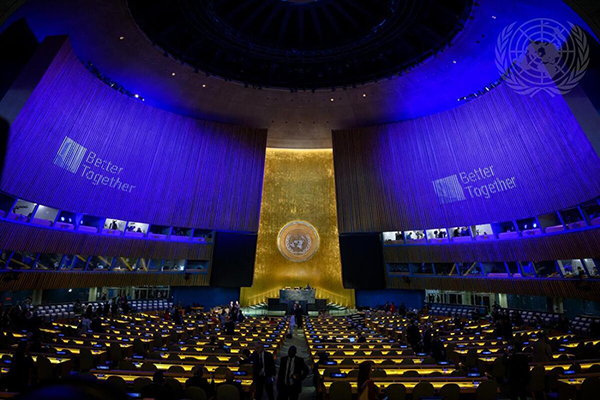
World leaders will gather in New York, United States, for the 81st Session of the United Nations General Assembly (UNGA) starting on 8 September. The debates will run for five days from 22 September, focusing on common global issues. This will be the last session for UN Secretary-General António Guterres, whose two-term tenure ends in December.
This event is important for global diplomacy as the assembly will choose Mr Guterres’ successor. They will also look for solutions to the many challenges facing the United Nations today.
Nigeria will join around 150 member nations at the assembly, bringing its own agenda.
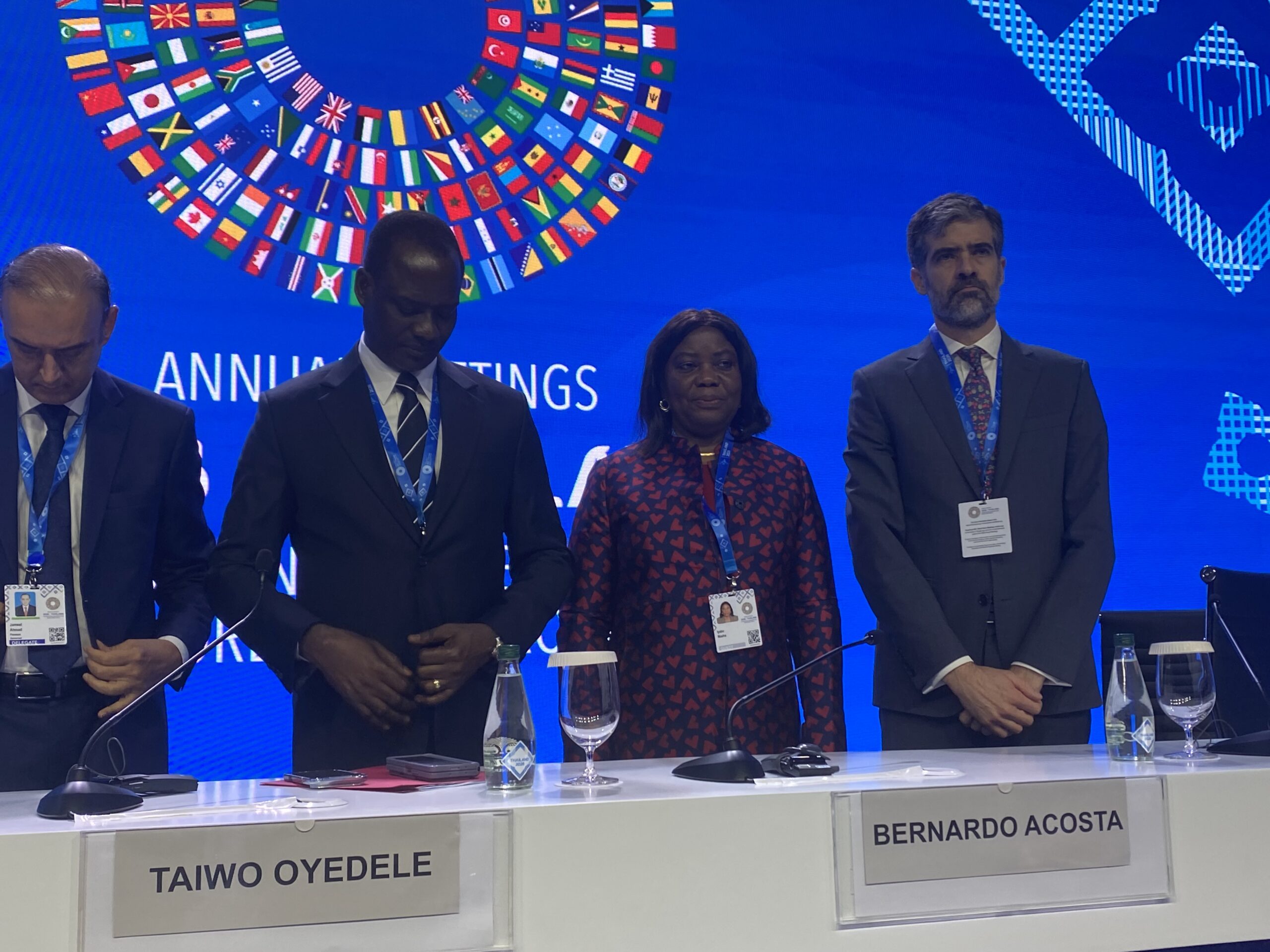
Vice President Kashim Shettima represented President Bola Tinubu at the 2025 UNGA. At that meeting, Nigeria pushed for reforms in the UN, especially for Africa’s place in the Security Council. Nigeria also discussed its climate change plans, its role as an investment hub for rare earth minerals, and its $200 billion energy transition plan.
Past international meetings have often turned into expensive events for government officials, leading to public discontent. For example, Nigeria sent one of the largest groups to the COP28 climate conference in Dubai in 2023, with 1,411 delegates. This included spouses and children of senior officials, even President Tinubu’s son. Some government agencies that had no reason to be there also attended. In response, the Minister of Information, Mohammed Idris, stated that only 422 out of the 1,411 delegates were government-sponsored. Even that number was too high.
Therefore, this year’s UNGA should not be another chance for Nigerian politicians to waste taxpayers’ money in New York. The hotels in New York benefit the most, charging over $1,000 a night for rooms. Costs like flight tickets, meals, local transport, estacodes, and allowances add to the burden. Nigeria can hardly afford these expenses.
Currently, Nigeria is facing one of its worst cost-of-living crises. Many people are struggling to get by. In this context, we welcome the presidential order that only those with business at UNGA2026 should travel to the event. The Chief of Staff to the President, Femi Gbajabiamila, shared this with officials from ministries and agencies at a recent retreat in Abuja.
Mr Gbajabiamila said, “During recent protests, there were talks about reduction in the cost of governance. Everyone is waiting to see if Nigeria, as in the past, will send the largest delegation to the UNGA. From experience, we know that some individuals use the opportunity of such international meetings to go about their personal businesses.”
The public backlash from the government’s actions during COP28 likely influenced the decision to limit the number of officials attending international and local trips. This directive affects the First Lady, the Vice President, and ministers as well. For international trips, Mr Tinubu can take 20 officials, and 25 officials for local trips. The First Lady can take five aides abroad and 20 within Nigeria. The Vice President, ministers, and agency heads are allowed four and two persons for international trips, respectively.
Unfortunately, the president violated this directive during a visit to Imo State in 2023, taking 25 officials with him. It seems that sticking to policy directives is a new concept for public officials in Nigeria. This may explain Mr Gbajabiamila’s warning that, “We are going to see a test of this policy during the UNGA in New York.”

Once again, discussions at UNGA26 will center around climate change, the Sustainable Development Goals, peace, security, and humanitarian issues. A major task will be electing the next UN Secretary-General. The new leader will face many tough challenges.
One of the biggest issues is the dangerous belief that “might is right.” This attitude undermines the UN Charter and the equality of member states. Leaders like Donald Trump, Benjamin Netanyahu, and Vladimir Putin have contributed to this problem. It has made global peace and security seem impossible.
The US, Israel, and Russia have violated Article 4 of the UN on not using threats or force against other countries. Their actions have raised tensions, especially in the Middle East and Europe. The conflict between the US and Israel with Iran has disrupted the global economy, particularly the energy sector. The war between Russia and Ukraine, which started in 2022, continues to create chaos.
The death toll from these conflicts is very high, and the humanitarian crisis is overwhelming for the weakened UN. In February, Mr Guterres warned about a possible “financial imminent collapse” of the UN due to the US not meeting its financial obligations in 2025 and pulling out of organizations like the WHO and UNESCO.
These issues show Mr Trump’s dislike for working together with other countries, which hurts the UN’s ability to carry out its responsibilities. The US has gone from giving $10 billion in voluntary donations to owing the UN $4 billion now.
The United Nations High Commission for Refugees (UNHCR) reported in July that 11 million refugees may soon lose food aid due to a lack of funds. They have only received 23 percent of their $10 billion budget for 2026. Humanitarian support in Southern Sudan, which is facing civil war, is already suffering.
These problems have put the UN in a tough spot. Only a significant reform can save it. The control by the US, Russia, and Israel over the UN and their disregard for its resolutions must end. This shows the need for reform.
The theme for UNGA2026 is “Restoring Trust, Managing Transformation: A United Nations That Delivers for All.” This theme will matter only if the outcomes match its goals. Khalilur Ralman, President of UNGA, noted that the meeting comes at a time when trust in the UN is “being tested on multiple fronts.” This should guide discussions to help the UN move beyond mere appearances.
Comments
No comments yet.