Update on Biodiversity Conference: Russia and Africa Clash as 14 Decisions Are Made
The UN Biodiversity Conference in Armenia sees Russia and African nations at odds over financing and cooperation. 14 decisions were made to advance conservation efforts.

A week into the ongoing United Nations Biodiversity Conference (CBD COP17) in Armenia, talks are focused on turning global promises into real actions. The aim is to stop biodiversity loss, get funding for conservation, and improve accountability among countries.
Delegates from governments, scientists, Indigenous Peoples, local communities, civil society, and others are gathered in Yerevan. They are working towards conserving nature and ensuring the sustainable use of biological resources.
The conference started on 19th October and is set to end on 30th October. Its theme is “taking action for nature.”
During the first week of negotiations, PREMIUM TIMES noticed that discussions were about how to implement global biodiversity goals and make real progress.
But there have been reports of disagreements about financing, access to genetic resources, benefit-sharing, and how international cooperation should work. The differences are especially clear between Russia and African nations.
These disagreements follow the unresolved issues from COP16 in Cali, Colombia. Delegates in Yerevan are still negotiating some of the most challenging parts of the global biodiversity agenda.
14 Decisions Made
Despite these disagreements, Astrid Schomaker, the Executive Secretary of the Convention on Biological Diversity, stated that significant progress was made during the first week.
“One week into #COP17Armenia and we are making progress for nature. The stakes have never been higher, and now is the time to act decisively,” she said.
Ms Schomaker mentioned that delegates have adopted 14 decisions related to the Convention on Biological Diversity and its Cartagena and Nagoya Protocols. She called this a significant achievement.
While she did not specify the decisions, she mentioned they support work on biosafety, invasive species, gender equality, awareness-raising, compliance, and monitoring.
“These decisions advance work on issues ranging from biosafety and invasive alien species to gender equality, awareness-raising, compliance and monitoring. Each contributes to the foundations we need for more effective implementation of our global biodiversity commitment,” she said.
She added that these decisions came after hours of negotiations, careful listening, and attempts to build consensus among countries.
“At a time when multilateralism faces significant challenges, this progress matters,” she said.
Ms Schomaker highlighted that COP17 is crucial because countries need to close existing gaps and hold each other accountable for speeding up progress towards the Kunming-Montreal Global Biodiversity Framework (KMGBF).
“Of course, some of the most complex issues are still ahead of us,” she said. She noted that the success of the conference will be measured by the real impact its decisions have on nature and people.
Implementation Gap Remains
The KMGBF is the main framework guiding the talks at COP17. Adopted in 2022, it lays out global biodiversity goals and targets, including 23 targets to be achieved by 2030.
The challenge remains how to implement these goals as countries aim to turn their commitments into measurable conservation results.
Even though many countries have set national biodiversity targets, there are worries about whether current policies, financing, and monitoring can achieve the agreed goals.
So, the discussions in Yerevan are focused on improving implementation, boosting accountability, and creating reliable indicators to track progress.
A key priority is to conserve at least 30 percent of the world's land and inland waters, along with 30 percent of coastal and marine areas, by 2030.
Delegates are also trying to better measure progress on pollution, nutrient reduction, and restoring ecosystems.
The results of these talks could affect how well governments keep track of their commitments and find areas needing urgent attention.
Finance Remains Contentious
Funding for biodiversity is one of the toughest issues negotiators face, especially for developing countries that say they need more financial support to implement the global framework.
Talks include how to get more public and private funding, improve access to current resources, and redirect harmful subsidies towards nature conservation efforts.
A major topic is the implementation of the Cali Fund, set up after COP16 to support benefit-sharing from the commercial use of digital sequence information (DSI) on genetic resources.
This mechanism aims to ensure that companies profiting from this information contribute to conservation and sustainable use of biodiversity.
For African countries, the debate is linked to equity, resource ownership, and their ability to finance conservation.
African negotiators argue that the continent’s rich biological resources fuel global commercial activities, yet the benefits do not support their communities and countries.
They want arrangements that ensure financial resources for protecting biodiversity, community development, and putting national conservation plans into action.
The talks also cover how to attract private investment and redirect harmful subsidies, with the global framework calling for at least $500 billion in harmful incentives to be eliminated or redirected by 2030.
Russia’s Position

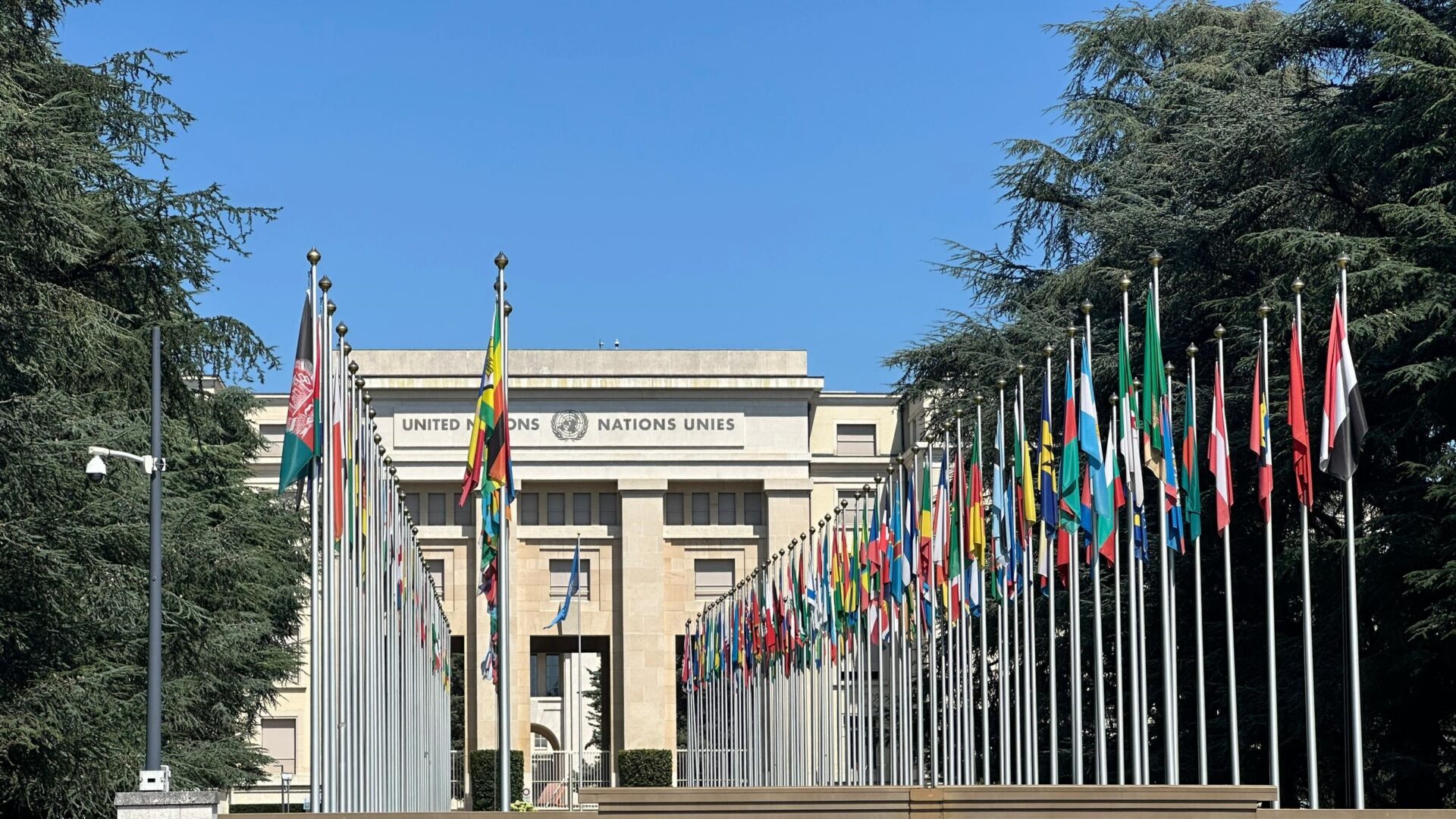
At COP17, Russia has stressed the need to keep international environmental agreements free from politics and to ensure biodiversity cooperation stays separate from wider geopolitical issues.
Russian presidential aide Ruslan Edelgeriyev leads high-level discussions for the country, reflecting concerns about international cooperation and financial impacts of new mechanisms.
Russia believes biodiversity conservation should not be subject to geopolitical disputes or unfair competition. It wants scientific and technical collaboration to continue despite international conflicts.
On genetic resources and DSI, Russia has emphasized the need for fair access and voluntary benefit-sharing approaches.
The Russian delegation also opposes creating new international administrative bodies or funding mechanisms that duplicate existing ones, arguing this could raise costs for member states.
In discussions about other issues, including gender-related action plans, Russian delegates want their national views to be formally included in the negotiation records.
These positions affect talks on how to mobilize biodiversity funding, distribute benefits, and how new international systems should function.
Why Africa Disagrees
African countries focus more on getting reliable financing, fair benefit-sharing, and support for implementing the KMGBF.
For many African governments, discussions around genetic resources are not just about accessing scientific data. It is also about ensuring that countries and communities that provide biodiversity for commercial use receive a fair share of the benefits.
The continent holds a large part of the world’s biodiversity, including species and genetic resources vital for agriculture, pharmaceuticals, and biotechnology.
African representatives argue that the profits from these resources should directly support conservation in their countries, rather than leaving them to carry the costs of protecting biodiversity with limited funds.
Thus, the Cali Fund has become a key part of the broader talks on fairness in the global biodiversity system.
Disagreements arise when countries discuss how mandatory benefit-sharing should be, how contributions should be calculated and shared, and what rules should govern access to genetic resources.
Russia's focus on voluntary methods and fair access could complicate African nations' efforts to secure stronger benefit-sharing agreements.
But the actual effects will depend on the final wording in the negotiations and how well countries can agree on practical rules to implement the mechanisms.
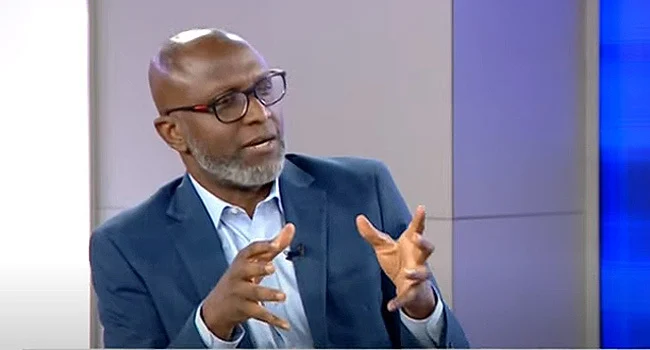
In an interview with PREMIUM TIMES, Joseph Onoja, director-general of the Nigerian Conservation Foundation (NCF), said Nigeria’s focus at CBDCOP17 is mainly on resource mobilization and technology transfer. He noted that the first week showed that significant gaps still exist between the Global North and the Global South.
“Nigeria is favourably disposed to introducing additional climate-related obligations through biodiversity decisions. But Russia is against it. So I hope that the second week will see more progress and agreements between parties,” he said.
Climate, Land Restoration and Indigenous Rights
Beyond funding, talks in Yerevan have looked at the links between biodiversity conservation, climate action, and land restoration.
The host country aims to strengthen these connections following the Yerevan Declaration adopted at the pre-COP Leaders’ Summit on 16 October.
The discussions are about ensuring that climate and land restoration efforts support biodiversity instead of harming ecosystems or increasing deforestation.
For instance, projects aimed at boosting carbon storage through forestry and agriculture must also consider their impact on local species, habitats, and communities.
The rights and roles of Indigenous Peoples and local communities (IPLCs) are also key topics in the negotiations.
A main concern is to ensure that Indigenous Peoples and local communities are not just consulted but also recognized as important contributors to biodiversity conservation and beneficiaries of related funding and decisions.
These talks connect with larger issues about access to genetic resources, traditional knowledge, and how benefits are shared under the Nagoya Protocol.
What Lies Ahead
With the first week of negotiations closed, delegates face more work on complex issues around implementing the global biodiversity framework.
Adopting 14 decisions is a step forward, but it does not settle the larger disagreements over finance, accountability, benefit-sharing, and international cooperation.
For African countries, the upcoming talks will be crucial in deciding if global biodiversity commitments come with enough financial backing and systems that value the continent’s biological resources.
For Russia and others worried about international mechanisms, the challenge will be to balance national interests with the collective goal of stopping biodiversity loss.
The outcome of COP17 will depend on whether delegates can overcome these differences and agree on measures that lead to real results for nature and people.


Comments
No comments yet.