US Cuts to HIV Funding in South Africa Could Endanger Lives, Says UNAIDS
UNAIDS warns that US funding cuts for HIV/AIDS in South Africa could lead to loss of lives and disrupt essential health services for millions.
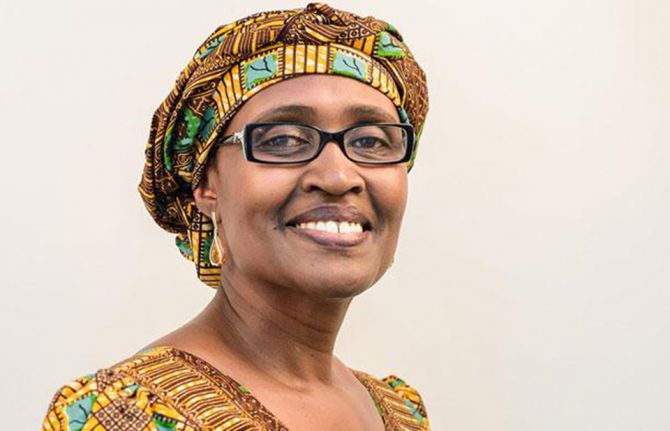
The Executive Director of the Joint United Nations Programme on HIV/AIDS (UNAIDS), Winnie Byanyima, has warned that the United States’ plan to withdraw HIV/AIDS funding from South Africa might lead to loss of lives and roll back years of progress in fighting the disease.
In a statement before a major United Nations meeting on HIV/AIDS, Ms Byanyima urged the US to rethink this decision. She called for a gradual transition plan to make sure vital HIV services are not disrupted.
South Africa has the largest HIV burden in the world, with about eight million people living with the virus. The country funds most of its treatment programme, but support from the US is essential for prevention services, testing, and healthcare workers who help vulnerable communities.
Ms Byanyima pointed out that cutting this funding would have serious impacts on those who depend on these services. “Taking it away is taking away life-saving support from the most vulnerable people,” she said.
She described the funding cuts as “sad” and warned that a wider reduction in global aid is already affecting HIV prevention and treatment efforts in many countries. She emphasized that the US President’s Emergency Plan for AIDS Relief (PEPFAR) provides over $400 million every year to South Africa’s HIV response, which makes up to 17 percent of the country’s HIV funding.
According to her, the programme has been crucial in supporting testing, prevention, and community healthcare services, especially for those at higher risk of infection.
Funding Cuts
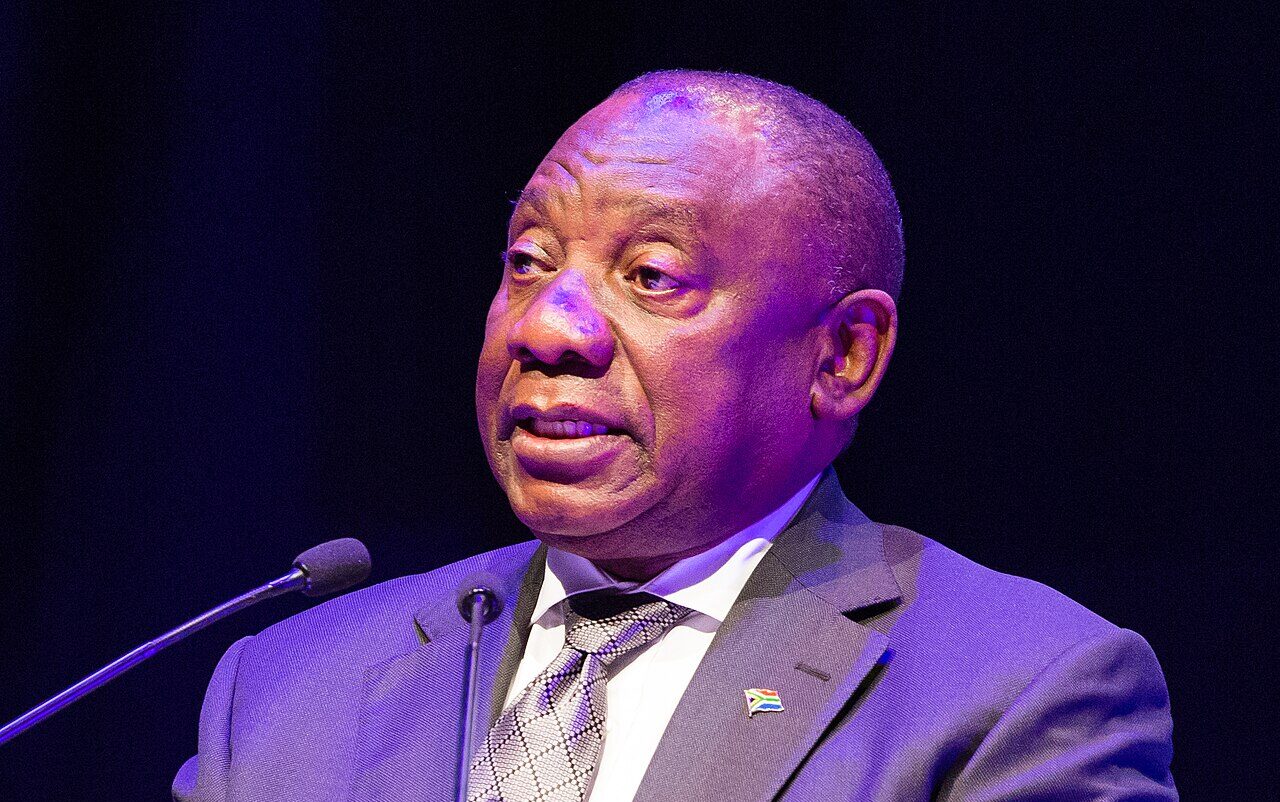
The warning comes just days after the Trump administration announced plans to start phasing out HIV/AIDS funding for South Africa through PEPFAR. US officials connected this decision to disagreements with South Africa over various domestic and foreign policy issues. These include South Africa’s land reform programme, Black Economic Empowerment policies, and what the US called insufficient protection for the white Afrikaner minority.
The South African government has denied these claims. They insist that their policies are meant to fix inequalities left over from apartheid and follow constitutional principles.
This funding dispute has raised alarms among health experts because South Africa is at the center of the global HIV epidemic. The country has more people living with HIV than any other and has depended on PEPFAR support for over 20 years to boost prevention programmes and health systems.
Even though South African officials say that buying antiretroviral medicines is mostly funded through local resources, experts worry that cuts to prevention programmes, testing services, and healthcare workers could weaken the country’s overall HIV response. This could put vulnerable groups at greater risk.
UNAIDS has repeatedly warned that disruptions to HIV services could undo progress made in lowering new infections and AIDS-related deaths, especially in countries with large treatment and prevention programmes.
Get more stories like this on your home page
How this story developed
- US to cut HIV/AIDS funding for South Africa over policy issues
US Cuts to HIV Funding in South Africa Could Endanger Lives, Says UNAIDS (this story)



Comments
No comments yet.