US Troops Pull Back from Nigeria While Support Continues
The US has withdrawn most troops from Nigeria after a counterterrorism operation. However, they will continue to provide intelligence and security support.
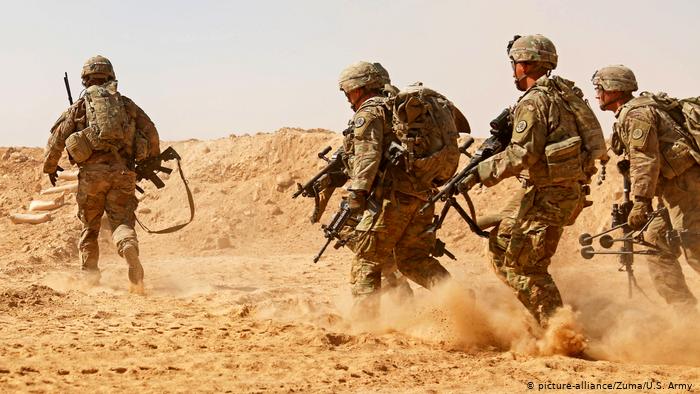
The Commander of the United States Africa Command, Dagvin Anderson, has announced that the US has pulled back most of the troops that were sent to help with a recent counterterrorism operation in Nigeria. The US will still share intelligence and provide other security support to Nigeria.
The troops were first sent in early February. The US and the Nigerian government agreed to this after the US attacked suspected ISIS fighters. President Donald Trump said these fighters were targeting Christians.
The agreement was meant to boost efforts against terrorist threats in Nigeria.
By mid-February, PREMIUM TIMES reported that around 200 US troops were in north-east Nigeria. Some Nigerians questioned why foreign forces were involved in Nigeria's security issues. Military officials clarified that the US troops would not take part in direct combat.
Samaila Uba, the spokesperson for the Defence Headquarters, said the US forces would only provide military training, share intelligence, support logistics, and have strategic talks to tackle shared security issues like terrorism and cross-border threats.
But the troops later took part in a combat mission alongside Nigerian soldiers. They killed a top commander of the Islamic State West Africa Province and other terrorists in the North-east.
Their operations were mainly focused on the North-east, especially in Borno State, which has suffered greatly from Boko Haram violence.
Mr Anderson shared this information on Thursday during a virtual press briefing after the 2026 African Chiefs of Defence Conference in Luanda, Angola.
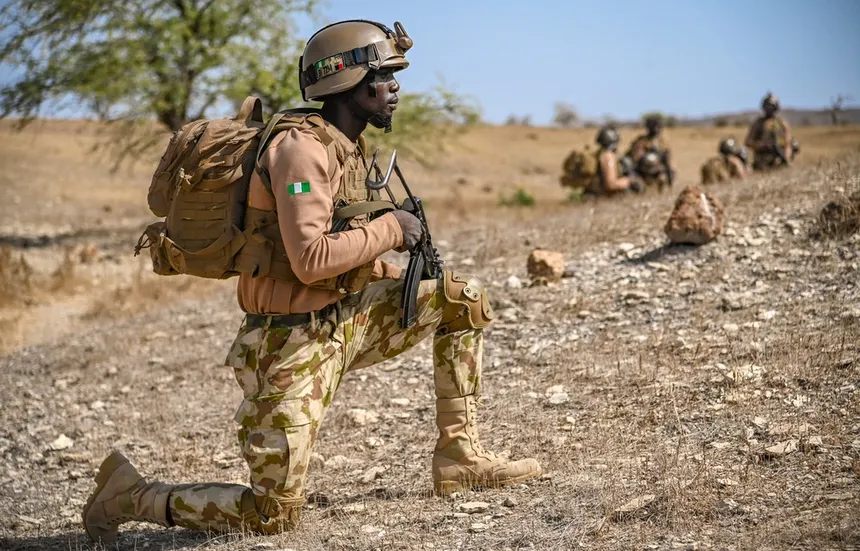
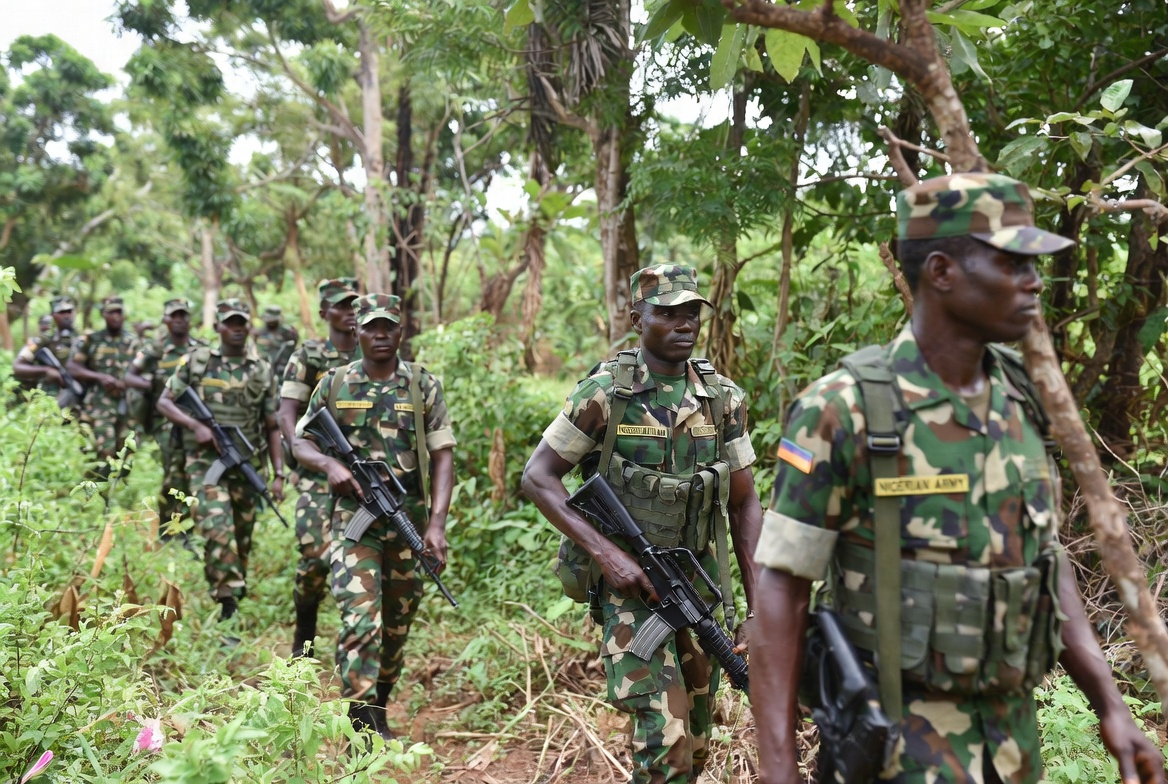
Punch was the first to report this news. This newspaper listened to the 31-minute virtual briefing. Mr Anderson stated, "We have withdrawn much of our forces that were just there for that operation."
He added, "They are continuing the partnership that Nigeria has asked for to help continue with the intelligence sharing and the understanding that’s necessary."
But Mr Anderson did not say how many troops were pulled back, when this happened, or where they were located in Nigeria. As of now, neither the Nigerian military nor the federal government has commented on the reported troop withdrawal. AFRICOM has also not put out a public statement about it.
Mr Anderson explained how the US supports African-led security efforts, using Nigeria as a positive example. He said, "I think the partnership that we’ve shown recently with Nigeria… eventually led to a cooperative effort where we were able to bring some unique capabilities that the US brings and be able to prosecute together the number two leader within the ISIS or Daesh organisation, who is responsible for much of their global operations, their global media, and their recruiting."
He noted that operations in the Lake Chad Basin not only disrupted ISIS activities in the area but also had an impact on the group's worldwide network.
The conference included military leaders from 35 African countries, US defense officials, and representatives from government agencies and private companies. Mr Anderson said the discussions covered intelligence sharing, innovation, counterterrorism, maritime security, and the connection between security and economic development.
Comments
No comments yet.