Why Nigeria Shouldn't Bring Back Fuel Subsidy
This article discusses the debate on fuel subsidy in Nigeria and highlights why reversing it based on simple economic rules is not sufficient.
---
I have been closely watching the ongoing talks about Nigeria's economic changes, especially the discussions on removing the petrol subsidy and the economic direction under President Bola Ahmed Tinubu. This discussion is important. Government actions should always be open to public questioning, especially when they affect the daily lives of ordinary people.
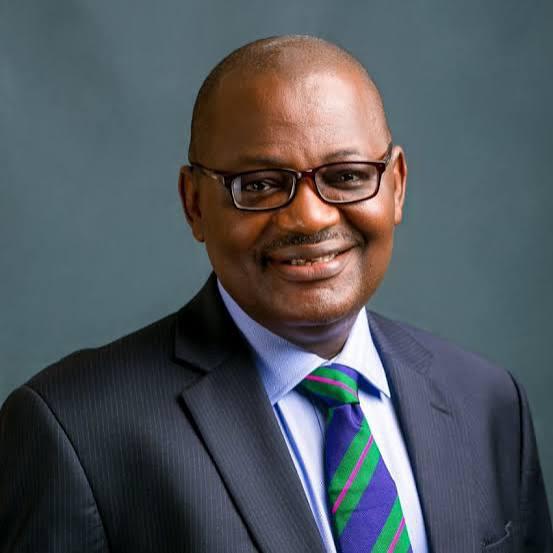
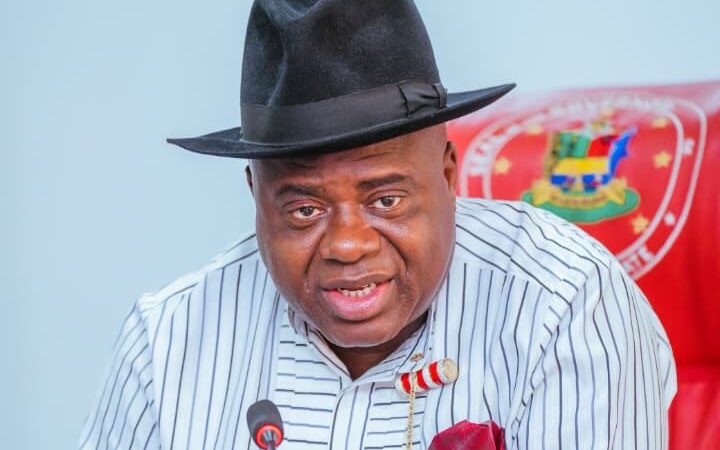
With this in mind, I looked at Professor Bongo Adi’s recent comments on Nigeria’s economic growth, including his mention of the Rule of 70. Professor Adi is an economist whose opinions I respect. The rule he mentioned is quite simple. It estimates how long it takes for something to double in size at a steady growth rate. For example, if an economy grows at a steady rate of 4 percent each year, it will take about 17.5 years to double.
The problem comes when people use this calculation to predict Nigeria’s economic growth. Economic results are always changing, shaped by new trends. The Rule of 70 assumes that things stay the same. The goal of economic reform is to change the factors that limit growth and improve the growth rate, leading to better development results.
Because of this, Professor Bongo suggested that we should bring back the subsidy system. For me, saying we should reverse the petrol subsidy just based on a mathematical rule is too basic. Nigeria’s economy is much more complicated than what a simple math rule can show or predict.
Subsidy is a valid tool in public policy. Governments use it to protect consumers, support key industries, fix market problems, and help during tough economic times. Nigeria's system of petrol price support has been in place for many years, starting from a broader price control system in the 1970s. Its goals included lowering inflation, aiding industrial growth, and providing affordable energy to citizens. As local oil refining weakened and reliance on imports grew, the subsidy grew larger, making it harder to maintain its cost to the economy.
As the financial burden grew, it became harder to match the subsidy with Nigeria’s limited resources and huge development needs. The Nigerian National Petroleum Corporation (NNPC) called it “under-recovery,” which in simple terms means selling petrol for less than it costs to supply. This price difference also led to smuggling and other illegal activities, while fixed prices discouraged investment in local refining. Nigeria could sell crude oil, import refined petrol, and spend trillions of naira to keep the domestic price low.
The main question became one of priorities. We had to weigh the money needed to keep the subsidy against Nigeria’s needs for better infrastructure, education, healthcare, and investments. The question was never whether Nigerians deserved help with high fuel prices. The question was whether a nationwide petrol subsidy was the best way to help them.
The effects of removing the subsidy, along with other reforms on overall economic stability, are clear. Removing it has greatly improved the government’s financial situation by cutting down on wasteful spending, which has eased financial pressure. Paired with changes in the foreign exchange market, it has fixed currency issues linked to fuel imports and smuggling, strengthened Nigeria’s financial position, and increased trust in Nigeria’s fiscal and monetary policies.
The World Trade Organisation (WTO) has acknowledged that ending fuel subsidies and changing the exchange rate are important moves to tackle long-standing economic issues and create more financial space. The wider reform program has also received better ratings from international credit agencies. These are important wins because financial stability and resilience are key for sustainable investment and growth.


President Bola Ahmed Tinubu deserves praise for taking on this tough challenge. Ending the subsidy came with immediate social costs, and Nigerians have felt the impact. But this pain is necessary for lasting recovery.
Globally, such pains are usually eased with different support measures. Nigeria has not avoided these global practices. Many programs have started to lessen the effects of subsidy removal while the economy adjusts. NELFUND helps reduce the cost of higher education with interest-free loans for students. CREDICORP is expanding responsible loans for vehicles, energy solutions, and essential assets. The MOFI Real Estate Investment Fund is improving access to long-term mortgages. Cash transfer programs directly support poor and vulnerable families.
The Bank of Industry and other SME programs help businesses, manufacturing, agriculture, and job creation, while the Federal Government’s TVET program links skills training with stipends and startup support. Investments in compressed natural gas buses and vehicle conversions are easing transport costs. New tax laws also include important support for poor people and businesses.
Nigeria’s strategy also aligns with international examples. Countries that have faced tough energy subsidy changes often find that strong social protections, clear communication, and visible use of released resources help the reforms last. Indonesia’s experience shows that cash transfers can help people accept fuel subsidy changes. In Iran, direct cash transfers replaced broad price subsidies in its 2010 reform. The Philippines highlighted the need for ongoing public communication and building consensus to gain support for fuel price reforms.
Ghana also carried out independent assessments of poverty and social impacts before its reforms and matched subsidy changes with improvements in education, transport, healthcare, and rural electrification. The lesson is that while economic math can explain the need for change, social protection, transparency, and good governance are what give reforms strength and lasting power.
For these reasons, bringing back the subsidy would be a wrong move. It would put the financial burden back on the government, revive price gaps that encourage smuggling, and lower incentives for local refining. More importantly, it would just address the immediate price of petrol, while leaving the deeper economic problems unsolved. It would return the government to paying the difference between set prices and the actual supply costs, messing with other national priorities.
Nigeria has made a tough but necessary decision. The smarter choice is to make the economy without subsidies work for all citizens.
The value of reform is seen in the quality of the economy it leaves behind. We must ensure that the sacrifices lead to something worthwhile: more productivity, stronger institutions, broader opportunities, and ultimately, a richer Nigeria.
---

Comments
No comments yet.