Fuel Subsidy Talk Sparks Big Reactions in Nigeria
The push to bring back the fuel subsidy has gained traction in Nigeria, sparking intense debate among politicians and the public alike. Many are frustrated with the current government's pace of reform.
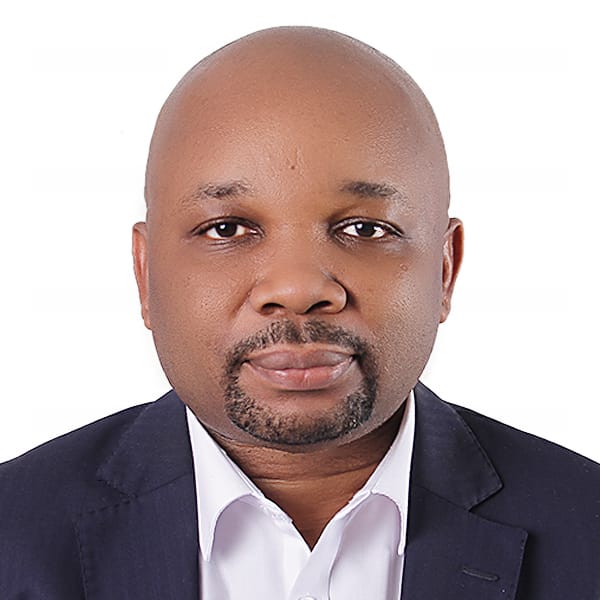
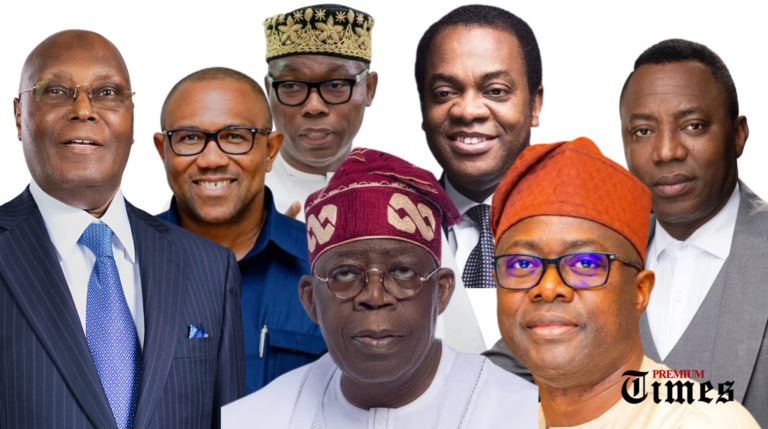
The call to bring back the fuel subsidy has struck a strong chord with many Nigerians. It has received a lot of positive feedback from the public. Now, it is a hot topic that no politician can ignore. This push to reverse the subsidy came from Atiku Abubakar, the Presidential Candidate of the African Democratic Congress (ADC) and former Vice President. Since he made this promise, President Bola Ahmed Tinubu has sent his aides to downplay the discussion or dismiss Atiku’s promise as mere political talk. But despite their efforts, the issue keeps resonating with the people and gaining momentum.
President Tinubu himself called Atiku’s proposal to restore the fuel subsidy a sign of serious ignorance about governance and the economy. Nyesom Wike, Nigeria’s Minister of Federal Capital Territory, labeled Atiku as a confused politician and a voodoo economist. Other analysts who support the current administration mocked Atiku, saying he pretends to care but changes his mind frequently. As time goes on, it seems that the public is growing more doubtful, impatient, and frustrated with the current government. They have been waiting for over three years for reforms that would truly help the poor, and their patience is wearing thin.
Now, the Presidency is rushing to announce social support and relief programs, like the $1 billion empowerment initiative and adding 500 new compressed natural gas (CNG) stations across the country. These steps are meant to ease the suffering of the masses facing the harsh effects of inflation. The ruling party seems to be in a state of panic, as if they were caught off guard by Atiku’s proposal and the debate it sparked. The real problem is that anger and discontent towards the government are growing due to rising poverty and hardship. Citizens are looking for any chance to express their frustration. If they move ahead with their plan to subsidize transport for workers, only about four million people will benefit, leaving the rest to fend for themselves.
The President’s aides continue to hint at state governors, suggesting that public pressure for accountability should be directed at them. There is a point in holding governors accountable for the public funds they manage, especially since they control money for local governments. However, Nigeria has a fiscal federalist system where revenue is shared, with the federal government keeping a larger share of 52.68 percent. The public expects the Federal government to show how it uses its share of the money before asking others to follow suit. Critics are unhappy about large sums allocated to allegedly overpriced public contracts, like the Lagos-Calabar coastal highway, which some claim were awarded to the President’s associates and relatives without proper procedures.
Currently, about 133 million Nigerians, which is 63 percent of the population, are living in multi-dimensional poverty, with 18.3 to 20 million children out of school. Economic inequality is at shocking levels. Oxfam reports that the total wealth of Nigeria’s five richest men could eliminate extreme poverty nationwide, yet over five million people still face hunger.
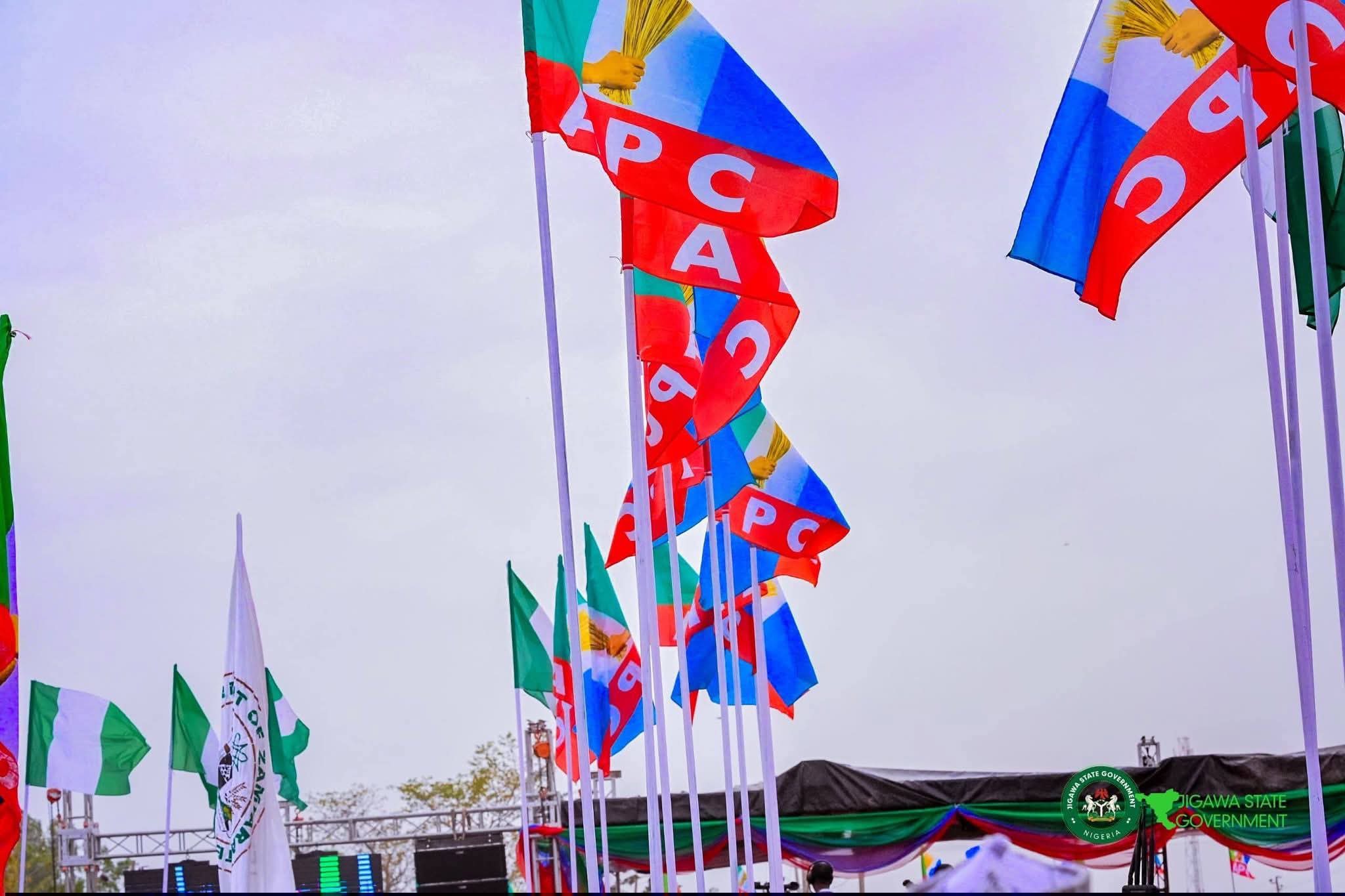
You don’t have to search far to see a pattern that might repeat itself in Nigeria. The Tinubu political group is facing self-inflicted chaos; the big question is when the internal conflicts will turn into real political betrayals. Analysts expect a turbulent political season as we approach the 2027 elections, but Tinubu’s supporters seem confident that he has a knack for overcoming political challenges. Their belief is more about hope than solid strategy.
Comments
No comments yet.