Why the North Needs to Tackle Mob Violence
The killing of a teacher in Kaduna over false claims shows the deep culture of silence in the North. Urgent action is needed to address mob violence.
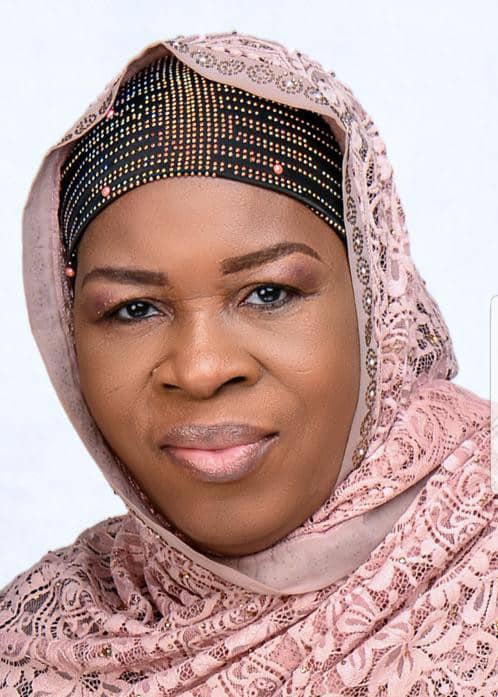
The brutal killing of a young female teacher and Islamic preacher, Ummulkhair Usman Aliyu, in Kaduna last week, over false claims of child kidnapping, should wake the North up. It should spark outrage and action, but nothing happened. This only shows how deep the culture of silence is in the North, allowing such acts to go unpunished.
Extrajudicial killings are a serious problem for the rule of law in Nigeria. In the North, mob actions often arise from petty theft or disputes, but the worst cases involve accusations of blasphemy.
The latest baseless claim of child kidnapping led to the death of Ummulkhair. The Muslim Public Affairs Centre (MPAC) said, “Ummulkhair was taken from lawful custody on the basis of unverified allegations, stripped of her dignity, denied due process, and brutally killed in circumstances that exposed a dangerous collapse of civic order.” They added, “No allegation, no matter how sensitive, justifies mob execution. A society that permits suspicion to override law is a society sliding into anarchy.”
This is the sad reality in the North today, especially with the national challenge of insecurity. While other regions are angry and looking for solutions, the North seems too numb to respond.
In 2020, when insecurity threatened the South-West, the Amotekun security outfit was formed with support from all the governors in the region. I have not seen such a united effort from northern leaders, and because of this, insecurity continues to grow. Amotekun may not have completely solved the insecurity issue, but it has made its mark in history.
Apart from MPAC, which expressed “profound outrage and moral indignation” at Ummulkhair’s murder, there has been little condemnation from significant Muslim figures and groups like the JNI and NSCIA. If those who matter spoke out against mob justice in the name of Islam and pushed for accountability, it could help prevent future occurrences.
The long list of similar cases in the North, documented by human rights groups, shows that religious accusations are often used to settle personal scores or local disputes. In many cases, investigations later find that these claims were not true.
In July 1999, Abdullahi Umaru from Kebbi State was lynched over claims he made disrespectful comments. In March 2007, Oluwaseesan Shuka was wrongly accused in Gombe State. She was supervising an Islamic exam when she took a student’s bag that supposedly contained a copy of the Qur'an. This led to accusations of desecration, and a mob burned her alive.
Bridget Agbahime was killed in June 2016 at Kofar Wambai Market in Kano after an argument turned into blasphemy accusations. A mob beat her to death and tried to burn her body before the police intervened.
Another incident was Tanka Yakasai in Kano State in 2018. He faced mob violence after being accused of insulting religious sentiments, showing how local mobs can target their own over verbal disagreements.


Then there was the case of Deborah Samuel Yakubu in Sokoto in May 2022. She was a Christian student who was killed for opposing religious posts in a WhatsApp group meant for schoolwork, which was seen as blasphemous.
In June 2022, in Abuja, Ahmad Usman, a Muslim security member, was killed after a dispute with an Islamic cleric over blasphemy accusations.
In June 2023, Usman Buda, a Muslim butcher, was lynched by fellow traders in Sokoto over a supposed blasphemous remark made during an argument. Investigations by civil society groups revealed that the accusation was likely fabricated to settle business disputes.
In these cases before Ummulkhair’s, no one was ever found guilty. Section 33 of the 1999 Constitution guarantees the right to life, while Section 36 promises a fair trial. But in a country where murder and arson are serious crimes, this is often just on paper. How can a region endure such injustice and expect to move forward?
We call on Governor Uba Sani to ensure justice for Ummulkhair, a woman who dedicated her life to teaching and promoting Islam. The governor said he is working with security agencies to “get to the root of the matter” and that the 41 people charged with culpable homicide will be prosecuted.
This silence and these extrajudicial killings must end, and the justice system must act. The media should report without bias. Political leaders need to activate security agencies and the judiciary to provide justice for victims and their families. The death penalty should be enforced for such crimes. Governors must not hesitate to sign death warrants for those convicted.
If the police are found wanting, as alleged in Ummulkhair’s case, they should be held accountable. Protecting suspects in custody should be the police's job, not allowing them to be killed by mobs. If the police cannot control violent mobs, where can citizens turn for safety? The police must answer for this.
Is there not enough anger over these issues? We should feel outrage and condemnation across the country. Yet, we respond with name-calling and religious bias while ignoring the real problem of crime.
I agree with MPAC’s statement that “this was an organised savagery enabled by rumour, fear, and institutional failure.” Their Executive Chairman, Disu Kamor, said, “The killing of Ummulkhair is not an isolated incident. It is part of a worsening pattern where rumours quickly turn into violence, and accused individuals are denied protection from institutions meant to uphold justice. This culture of instant punishment threatens national stability.”



Comments
No comments yet.