Wike's Tenure Sees FCT's Debt Skyrocket to Second-Highest in Nigeria
Since Nyesom Wike took office, the FCT's domestic debt has increased dramatically, moving it to the second-highest in Nigeria. This rise marks a significant change in the territory's financial status.
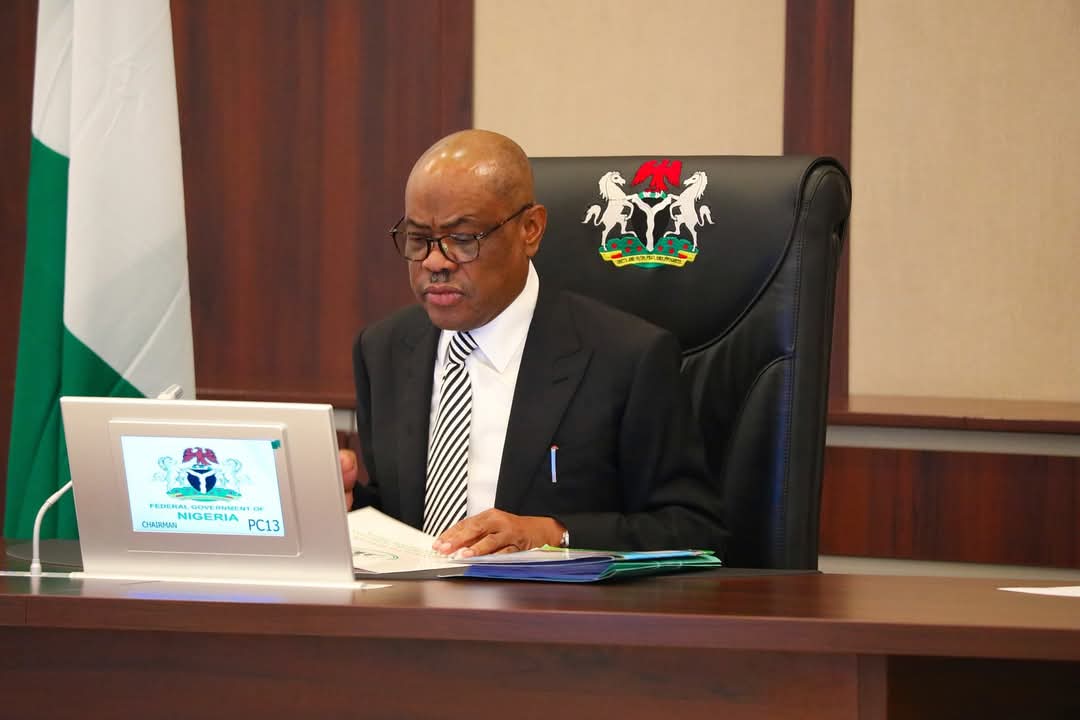
The Federal Capital Territory's domestic debt has jumped more than four times since Nyesom Wike became the minister in August 2023. This rise has pushed the FCT from one of Nigeria’s least indebted areas to the second-highest in the country, according to data from the Debt Management Office.
When Mr Wike took office on 21 August 2023, the FCT’s domestic debt was N88.51 billion as of 30 September 2023. At that time, the FCT was ranked 29th among the 36 states and the territory in terms of domestic debt. This meant it was the ninth least indebted area in Nigeria.
However, by March 2026, the debt had surged to N389.88 billion. This represents an increase of N301.37 billion, or 340.5 percent, since the September 2023 ranking.
The latest figures show that the FCT is now second among Nigeria’s 37 sub-national governments for domestic debt, based on DMO data reviewed by PREMIUM TIMES.
This increase is especially significant since the FCT’s domestic debt had actually fallen during the first year of Mr Wike’s time in office. The debt rose from N88.51 billion in September 2023 to N91.52 billion in December 2023 and N94.01 billion in March 2024.
Later, the debt dropped to N84.64 billion in June 2024 and fell further to N53.43 billion in September 2024, before increasing again to N63.56 billion by December of that year. It was at N61.11 billion in March 2025 and N71.04 billion in June before rising to N78.93 billion in September 2025.
A sharp increase happened in the last quarter of 2025. The FCT’s domestic debt jumped from N78.93 billion in September to N188.86 billion by December. This marked an increase of N109.93 billion in just three months.
By March 2026, the debt more than doubled again, reaching N389.88 billion. This means the FCT’s domestic debt increased by N200.99 billion just between December 2025 and March 2026.
The FCT is not alone in experiencing rising debt. PREMIUM TIMES reported that under Governor Monday Okpebholo, Edo State has moved from 12th to the sixth most indebted state in Nigeria.
The DMO regularly publishes debt records for states and the FCT, including quarterly figures through December 2025.
Revenue Has Also Increased
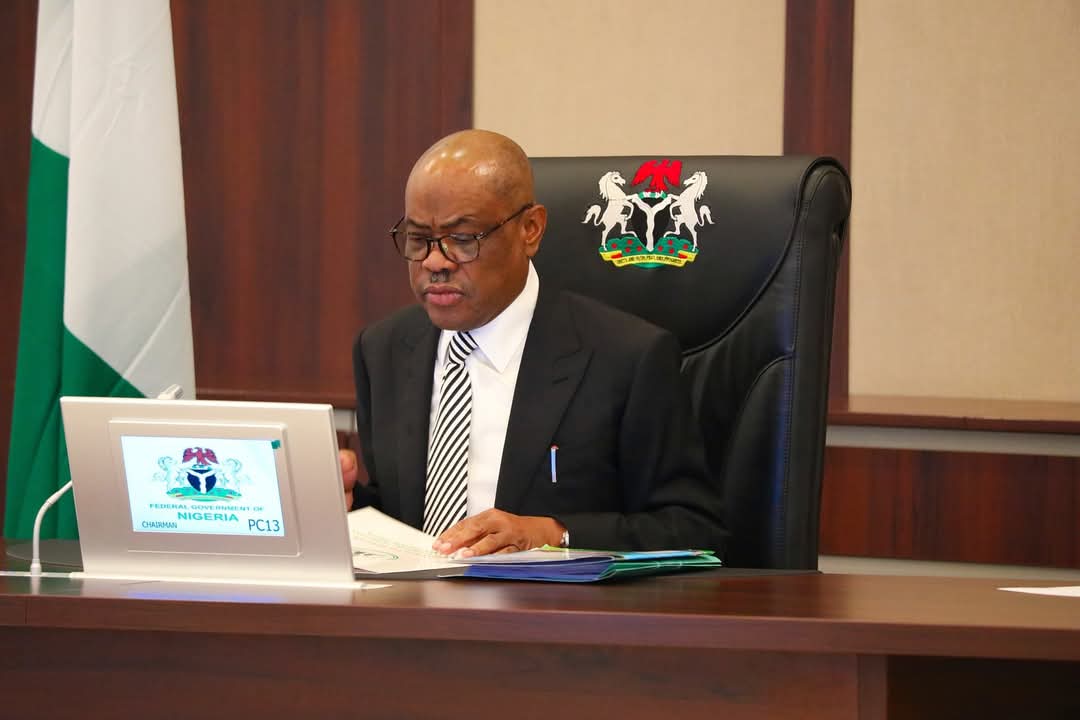
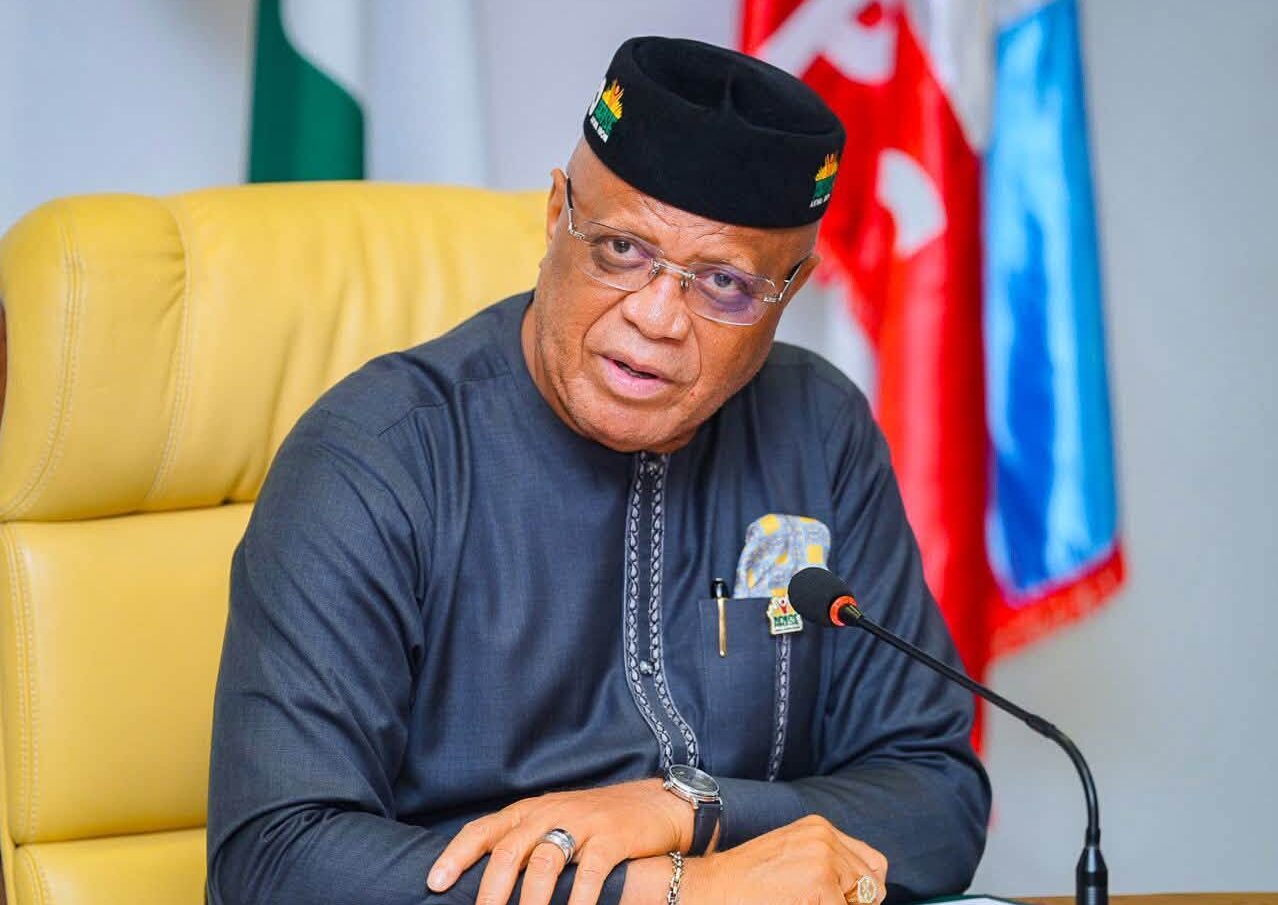
The big increase in debt has happened alongside a significant rise in funds coming to the FCT from the Federation Account. Since the FCT administration has not shared its budget documents and financial reports since 2023, PREMIUM TIMES relied on monthly allocations published by the Federation Account Allocation Committee and the Office of the Accountant-General to check the FCT’s federally distributed revenue.
An analysis of FAAC allocations from August 2023 to March 2026 shows that the FCT received N432.13 billion during this time. This amount includes N47.69 billion from August to December 2023, N136.79 billion in 2024, N204.16 billion in 2025, and N43.49 billion in the first three months of 2026.
This analysis covers the same period ending with the March 2026 DMO debt position. However, the FAAC figures do not show the complete revenue for the FCT. They do not include money generated internally or other funds like opening balances, grants, aids, and loans.
The revenue situation has also improved in recent months. The FCT received N24.28 billion in April and N30.62 billion in May 2026, according to figures reviewed by PREMIUM TIMES. This brings the total FAAC receipts for these two months to N54.90 billion. The May allocation followed a national FAAC distribution of N2.3 trillion among the three tiers of government.
Missing Financial Records
Despite the rise in both debt and federal allocations, PREMIUM TIMES could not find budget documents, performance reports, or audited financial statements for the FCT on its official website since Mr Wike took office.
Without these documents, it is hard to clearly understand why the FCT took on more debt, where the money came from, and how it was used. This also limits public oversight of how the FCT’s revenue, spending, and debt have changed.
This is important because the FCT is not like a state. It gets money from the Federation Account while its leadership comes from a minister appointed by the president. President Bola Tinubu swore in Mr Wike and other cabinet members on 21 August 2023. The debt situation since then shows a stark change.
From N88.51 billion right after Mr Wike took over, the FCT’s domestic debt has risen to N389.88 billion. In percentage terms, this is a 340.5 percent increase, adding N301.37 billion to its debt in about two and a half years.
While available FAAC data show that the territory received N432.13 billion from August 2023 to March 2026, the lack of clear financial statements makes it tough for residents and outside observers to see how its total income and debts have changed together. This raises questions about the reasons and timing of the borrowing that pushed the FCT from one of Nigeria’s least indebted areas to the second-highest in domestic debt.





Comments
No comments yet.