ADC demands Tinubu's resignation or impeachment over Kano governor's claims
The ADC has urged President Tinubu to resign or face impeachment after claims of a political deal during the Kano governorship election dispute.
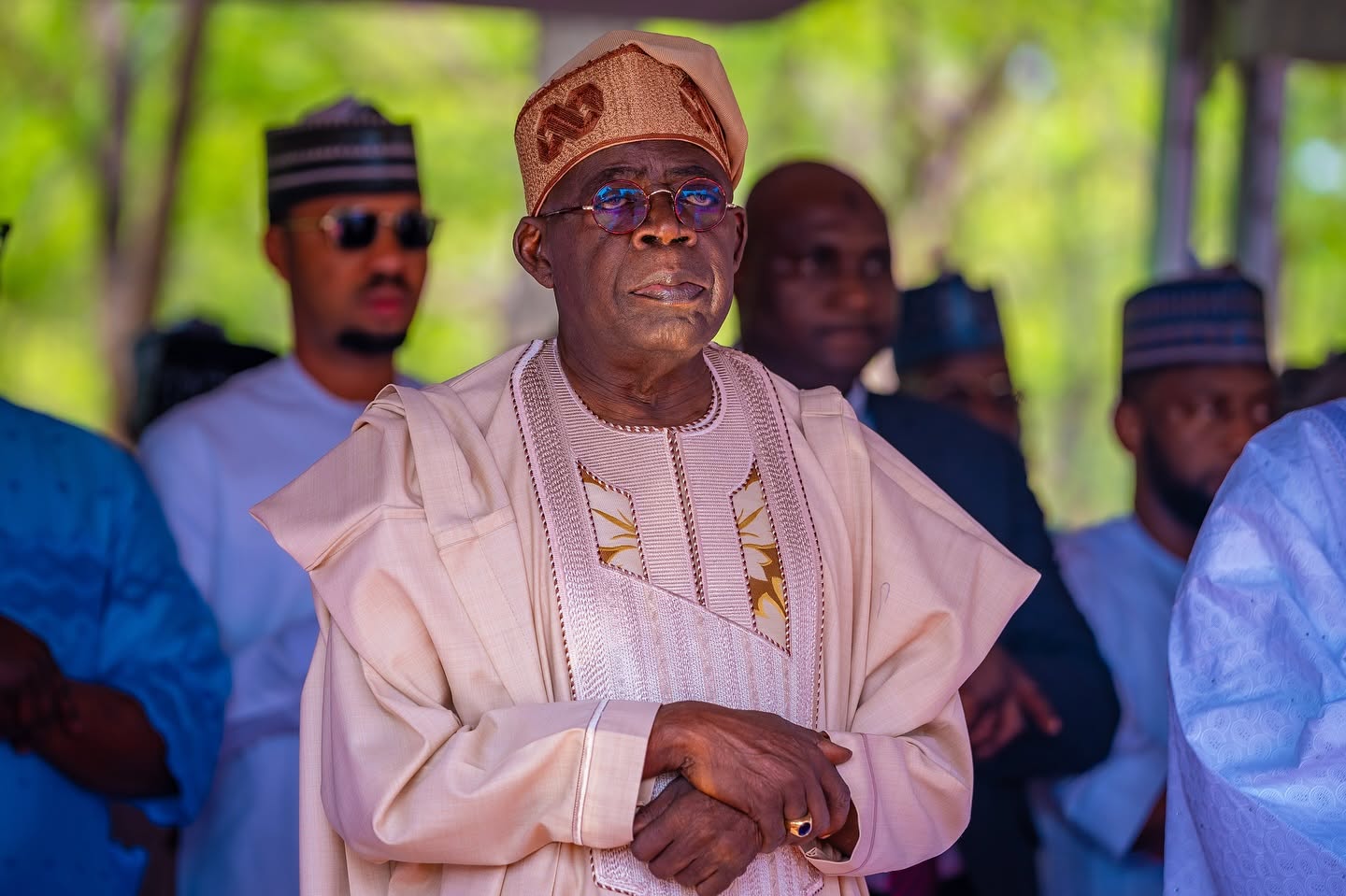
The African Democratic Congress (ADC) has asked President Bola Tinubu to resign or be impeached after Kano State Governor Abba Kabir Yusuf claimed there was a political deal with the president during the legal fight over the 2023 Kano governorship election.
The opposition party also called on the National Assembly to start impeachment proceedings against Tinubu and look into the details of the supposed agreement.
In a statement on Tuesday, signed by Bolaji Abdullahi, spokesperson for its leadership led by David Mark, the ADC said the governor's claims raised serious questions about presidential influence on the judiciary.
The party reacted to an interview Yusuf gave to BBC Hausa, where he said his former political mentor, Rabiu Kwankwaso, sent him to negotiate with Tinubu while his governorship election case was still in the Supreme Court.
According to the governor, the proposed deal involved a request for the president not to interfere in the court case and a promise to join the ruling All Progressives Congress (APC) if the court ruled in his favor.
The ADC, however, argued that the governor's claims suggested the president might have influenced the court's decision in exchange for political support.
"No conduct can be more heinous on the part of a democratically elected President than to make the administration of justice an instrument of political bargaining. No betrayal of the presidential oath can be more profound than to pervert the cause of justice in pursuit of personal political advantage," the party stated.
The ADC believes that the alleged deal could be seen as gross misconduct that warrants the president's removal from office.
"The Supreme Court is not an extension of the APC national secretariat, and the President of Nigeria is not the proprietor of the Nigerian judiciary," it added.
The party also demanded that those involved in the alleged deal should provide evidence to the National Assembly.
But the ADC did not provide any evidence in its statement that Tinubu contacted Supreme Court justices or influenced their decisions.
As of Tuesday evening, neither the presidency nor the Supreme Court had publicly responded to the allegations, which PREMIUM TIMES confirmed.
PREMIUM TIMES reported on Monday that Yusuf, while explaining his switch to the APC, claimed Kwankwaso initiated the political deal with Tinubu.
Yusuf said Kwankwaso told him to meet the president and promise that they would join the APC if he won his case at the Supreme Court.
He also claimed that Kwankwaso was willing to have him swear on the Qur'an to show their commitment to the deal.
Yusuf said he shared the proposal with the president, who reportedly received it positively.
The governor stated that he later informed Kwankwaso about the meeting's outcome.
According to Yusuf, Kwankwaso's later comments criticizing the president ruined plans for their joint move to the ruling party.
The governor insisted that his eventual switch to the APC was to honor the earlier agreement.
His account included a request for the president not to interfere in the judicial process, not a direct claim that Tinubu told the court how to rule.

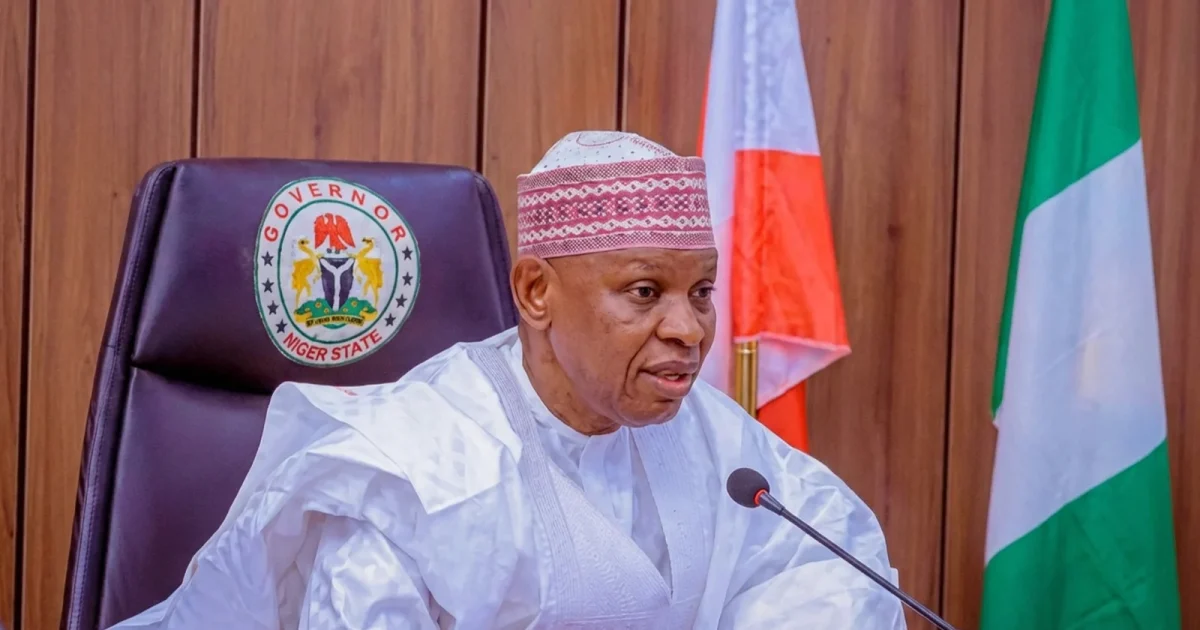
The Kwankwasiyya Movement has denied that Kwankwaso sent the governor to make such a deal with Tinubu.
Kwankwaso, a former governor of Kano State, is now the vice-presidential candidate of the Nigeria Democratic Congress (NDC) running alongside Peter Obi.
In a statement released on Monday by its spokesperson, Habibu Mohammed, the movement accused Yusuf of trying to shift the blame for his defection to the APC.
It challenged the governor to provide details of the alleged agreement, including when it was made, who was involved, and any evidence to back his claims.
The movement maintained that major political decisions involving Kwankwaso and his supporters were made after consulting relevant stakeholders.
Although the ADC referenced Section 413 of the Constitution in its statement, the section related to the removal of a Nigerian president for gross misconduct is actually Section 143 of the 1999 Constitution, as amended.
Subsection 11 defines gross misconduct as a serious breach of the Constitution or actions that the National Assembly sees as serious enough to be considered gross misconduct.
Impeachment proceedings under Section 143 require a written notice detailing the allegations, signed by at least one-third of the National Assembly members and presented to the President of the Senate.
A motion to investigate the claims needs the backing of at least two-thirds of all members of each chamber of the National Assembly.
The Chief Justice of Nigeria would then appoint a seven-member panel to investigate the claims at the Senate President's request.
The President has the right to defend himself before the panel, either in person or through legal representatives he chooses.
If the panel finds the allegations true, the President can only be removed if at least two-thirds of all members of each chamber vote to accept the panel's report.
The ADC's call does not automatically start impeachment proceedings.
Yusuf was elected governor in March 2023 under the New Nigeria Peoples Party (NNPP), defeating Nasiru Gawuna of the APC.
However, the Kano State Governorship Election Petition Tribunal nullified his election, a decision the Court of Appeal later upheld.
On 12 January 2024, the Supreme Court overturned the lower courts' decisions and confirmed Yusuf's election.
The governor stayed with the NNPP until January 2026, when he switched to the APC, ending his long political alliance with Kwankwaso.
This latest controversy comes less than two months before the presidential election set for 16 January 2027, where Tinubu is running for a second term while Kwankwaso is contesting on the NDC ticket with Obi.


Comments
No comments yet.