Addressing Youth Behavior: Lessons from the Ondo School Incident
A viral video of students celebrating their exams inappropriately has sparked debate about youth behavior and the influence of parenting on values.
Ondo State recently became a hot topic after a video went viral. The video showed students from Oyemekun Grammar School, Aquinas Secondary School, and CAC Grammar School celebrating their completion of the West African Senior School Certificate Examination. This footage led to quick and widespread criticism on social media.
The students had just finished their exams. In a trend seen among some youths, they celebrated by writing on their uniforms and displaying affection publicly. Many people found these actions inappropriate, offensive, and disruptive. What should have been a happy occasion turned into concerns about discipline, values, and public behavior among young people.
We cannot look at incidents like this alone. They raise deeper questions about parenting, supervision, and the setting in which children grow up. Many behaviors are influenced long before children become teenagers. By the time they reach early childhood, important values, discipline, and emotional boundaries are being established. This gives parents and guardians a big responsibility to be deliberate during these formative years.
Home is the first school for every child. Kids learn not only from what is directly taught but also from what they see. Sometimes, they are exposed too early to messages and behaviors that can confuse their understanding of relationships, dignity, and self-control. With more access to smartphones and social media, this situation has become even more complicated. Many parents may not realize how much content their children can access at home.
The influence of society also plays a part. Social media often rewards attention-seeking behavior, which can make young people confuse online praise with acceptable behavior. Without proper guidance, lines become unclear, and copying others can replace wise judgment.
While the responsibility is shared, parents hold the key role. The home is where values are either strengthened or weakened. If dishonesty is accepted, or if inappropriate behavior is overlooked, children learn these lessons long before they enter school.
A better response would include accountability with support. Mandatory counseling sessions for affected students should be implemented, alongside community service to promote humility and civic responsibility. This kind of engagement can be practical and overseen, allowing students to learn about consequences while still protecting their future.
In some homes, domestic staff take on the primary caregiving role. In these cases, without proper supervision, children may face neglect or harmful influences. This highlights the need for active parental involvement, not just handing over responsibilities.
Schools are also facing their own challenges. Overcrowded classrooms, limited resources, and poor learning environments make teaching and discipline harder. Teachers who are overwhelmed or lack support cannot always provide the attention and guidance that young people need. Sometimes, individuals are in teaching positions without the right training or motivation, which affects results.
The government has an important role in improving the education system. Investment in teacher welfare, training, infrastructure, and learning resources is essential. Schools need functional counseling units, safe environments, and discipline systems that focus on character building instead of just punishment. Education should be a partnership between families, schools, and the government.
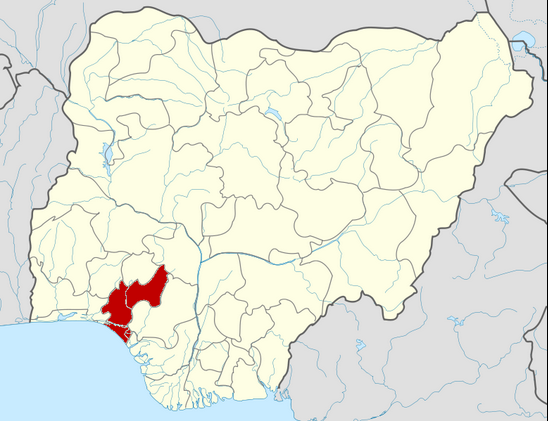

After the Ondo incident, an emergency meeting was reportedly held at the Ministry of Education in Akure. Officials and school administrators discussed the situation and announced disciplinary actions. These included withholding testimonials and exam results for certain students, creating misconduct records in schools, and questioning principals about their supervision. It was also mentioned that students not in terminal classes might face expulsion.
While discipline is essential to maintain order, it must also consider rehabilitation. Young people are still figuring out their identities and judgments. A strict approach can push them away from correction rather than guiding them to responsibility.
A better response would combine accountability with structured support. Counseling sessions should be required for affected students, along with community service that reinforces humility and civic responsibility. Such activities can be practical and supervised, helping them understand consequences while still protecting their future.
There is also a need to strengthen the presence of trained counselors in schools. Many institutions lack adequate support systems, leaving adolescents without guidance during critical stages of their development. Counselors help young people deal with peer pressure, identity issues, and emotional struggles.
Protecting their dignity is equally important. Any corrective actions involving minors must follow child protection rules. Public exposure, especially through images or recordings, must be managed carefully. Consent and protection are not optional; they are legal and moral duties.
Beyond discipline, schools should include age-appropriate education on discipline, relationships, and sexuality in their curricula. This gives young people the knowledge they need, lowers their risk of exploitation, and helps them make informed choices.
The goal should be to correct behavior while building a generation that understands responsibility, respect, and self-worth. This requires consistency between home, school, and society. When any of these areas weaken, the pressure on the others increases.
The events in Ondo State should be a moment for reflection on how we raise, guide, and support our children. The future depends not just on what is taught in schools but also on what is modeled at home and reinforced by the surrounding society.




Comments
No comments yet.