Ademola Adeleke: How Dance Became His Unique Political Brand
Ademola Adeleke shares insights from his recent election win in Osun State, highlighting how dance plays a key role in his political appeal.
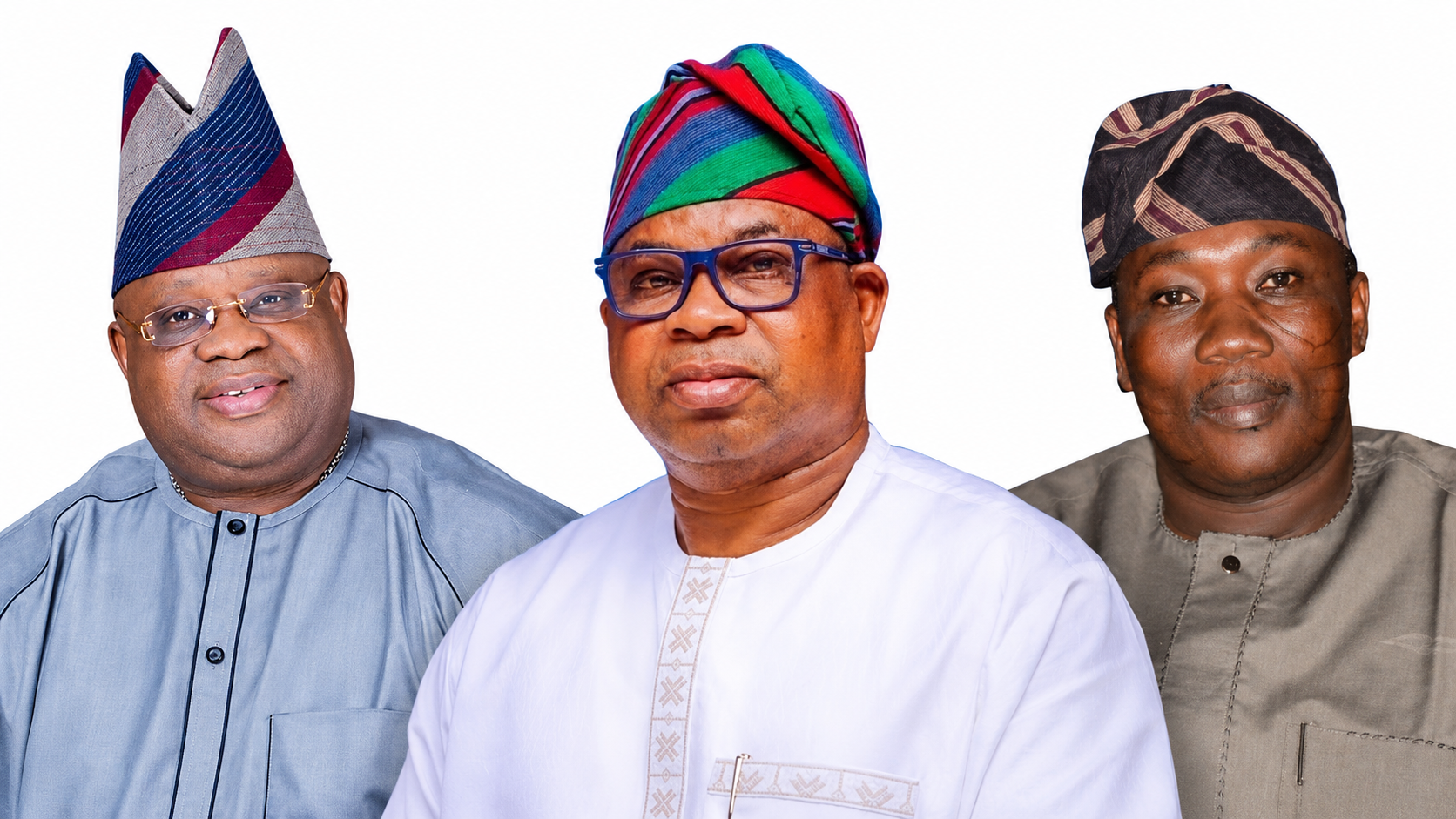
I caught Ademola Adeleke’s interview with Seun Okinbaloye on Channels TV on Sunday. He talked about his win in the Osun State gubernatorial election, which took place on Saturday, August 15. In a close contest, Adeleke, the state governor, got 511,067 votes. He beat his closest rival, Bola Oyebamiji of the All Progressives Congress (APC), who received 444,815 votes. This win gives him a second term of four years in office.
Osun State turned into a battlefield as political tensions rose. Azu Ishiekwene, Editor-in-Chief of Leadership newspaper, called it a “perfect grudge match” between Adeleke and Adegboyega Oyetola, the current Minister of Marine and Blue Economy and former one-term governor of Osun State, in his column last week.
The election followed a tense campaign with violence that took lives and turned parts of Osun into chaos. Oyetola and his supporters blocked Adeleke from joining the APC after he left the People’s Democratic Party (PDP). So, Adeleke chose the Accord Party as his platform and won.
At the end of the interview with Okinbaloye, Adeleke was still in a joyful mood. He smiled and entertained viewers with his famous dance steps. Adeleke loves to dance and seems to enjoy it. What’s wrong with dancing, especially when it is well choreographed?
Politics is often seen as a way to persuade people, but this doesn’t always come from speeches or political slogans. Sometimes, it comes through dance, music, rhythm and emotion. In Nigeria, where culture and politics mix deeply, dance is more than just entertainment. It is a way to express identity, celebrate, show solidarity and connect.
The recent Osun State gubernatorial election clearly showed this. For Adeleke, besides the music and his dance moves, this win represents a “victory for democracy.” This election, which ended the series of off-season governorship elections before the 2027 general elections, drew a lot of national attention.
But there is more to Adeleke than just politics. His dance is a big part of his public image. He dances often, enthusiastically and without holding back. What may seem like simple entertainment has turned into a strong branding tool. His dance is now part of his political identity, helping him show warmth, confidence, joy and accessibility in ways that usual political talk cannot.
In branding, people may not remember what they hear, but they will remember how someone makes them feel. Adeleke seems to get this instinctively. His dancing has created a bond between him and many of his supporters. At political rallies and celebrations, his dance moves spark excitement, laughter and participation. He doesn’t keep the usual formal distance of politicians; he presents himself as one of the people. That is strong political communication for those who don’t know.
African cultures have always recognized the power of rhythm and movement. Long before political campaigns, communities used drums, songs and dances to celebrate victories, welcome guests, honour leaders and mark festivals. Adeleke’s political brand has gained from this understanding.
His dance has become almost part of his public image. In a political world where many politicians stick to scripts, his spontaneity sets him apart. Branding is all about what makes someone different. For Adeleke, dance is one of those unique traits.
Across Nigeria, traditional festivals are never complete without bright costumes, music and dance. From Yoruba festivals to Igbo cultural events, Hausa-Fulani ceremonies and various festivals across the Niger Delta and Middle Belt, dance is a vital expression of community identity. The drum keeps the rhythm; the dancer brings the movement, and the audience adds energy. Together, they create a lively atmosphere.
This is why dance works so well as a way to communicate. It is visual, emotional and memorable. It goes beyond literacy and language. People may not remember the details of a political speech, but they will likely recall a politician like Adeleke dancing for a cheering crowd.
Adeleke’s public image has gained from this. His dance is almost inseparable from who he is. In a world where many politicians follow scripts, his spontaneity makes him stand out. Branding is about being different: what makes one person or product stand out from another? For Adeleke, dance is one of those standout features.
There is also a family aspect to the Adeleke brand. His nephew, David Adeleke, known as Davido, is one of Africa’s biggest music stars. Davido’s popularity, especially among young Nigerians, gives the Adeleke family a strong link to Nigeria’s entertainment scene. His fame has also boosted the family’s visibility and connection with people in Osun.
The link between politics, music and popular culture is especially important in Osun. It shows how political communication is changing in the digital age. Young people consume information in new ways. They look for authenticity, personality, visual storytelling and shareable moments on social media. A dancing governor can quickly become a viral sensation. While a political speech may take time to deliver, a striking visual can spread across TikTok, Instagram, Facebook, X and YouTube in no time.
This doesn’t mean that dance can replace good governance. In the end, citizens judge leaders based on performance: roads, education, healthcare, jobs, security, economic opportunities and public service quality. A governor cannot dance away unemployment, bad roads or insecurity.
Branding is not governance, but Adeleke has used it well as a way to make leadership feel more relatable and memorable. His success gives a lesson in Nigerian political communication: personality, cultural awareness and emotional connection matter.
This lesson extends beyond politics and Adeleke. Nigeria has many cultural treasures that can be better used for communication, tourism, diplomacy and economic growth. Our dances, music, festivals, fashion, food and storytelling can be strong parts of Nigeria’s soft power.
His political brand shows that when a leader embraces genuine cultural expression, it can be an effective communication tool. He has integrated dance into his identity, and his supporters have welcomed it as part of the Adeleke experience. The deeper lesson is that leadership doesn’t always need a podium; sometimes, it can come from the dance floor.
Afrobeats has already shown this potential. Nigerian music has made its way around the globe, taking bits of Nigerian culture with it. Nigerian fashion designers, filmmakers, comedians and creative entrepreneurs are also spreading the country’s cultural influence.
Dance should be part of this conversation. From the lively moves of today’s Nigerian music to the rich traditional dances at cultural festivals, dance tells stories about who we are. It expresses joy, resilience, celebration and community.
There’s also a lesson for corporate and public branding. Brands want emotional links with their audiences. Instead of just telling consumers about their products, successful brands create experiences that people can see, feel and remember. Dance can be part of that experience.
Nigeria’s festivals can be better packaged as international cultural attractions. State governments should invest in dance festivals and cultural events as tourism assets. Nigerian embassies can use dance and music more effectively in cultural diplomacy. Schools could teach indigenous dances as part of cultural education, and the creative sector could commercialize traditional dance while keeping its cultural meaning intact.
Osun is in a great position for this cultural revival. The state hosts the well-known Osun-Osogbo Festival, a key part of Yoruba spirituality, art and culture. Its cultural assets can help position Osun not just as a political area but as a cultural, spiritual and creative tourism destination. In this context, Adeleke’s dancing fits perfectly into a larger cultural story.
His political brand has shown that when a leader embraces genuine cultural expression, it can be a strong communication tool. He has made dance part of who he is, and his supporters have accepted it as part of the Adeleke experience. The deeper lesson is that leadership does not always need a podium; sometimes, it can come from the dance floor.
Adeleke’s win may ultimately be judged by how well he performs in his second term. But his political journey has already shown an important truth about modern branding: people connect with people before they connect with policies.
And in Nigeria, where the drumbeat calls for community, dance remains one of the strongest ways to say: I am one of you.
That is the lasting power of dance.
Get more stories like this on your home page
How this story developed
Ademola Adeleke: How Dance Became His Unique Political Brand (this story)
- Ademola Adeleke: How Dance Became His Brand


Comments
No comments yet.