Badejo Gets Timor-Leste Award for Unseen Peace Efforts
Professor Babafemi A. Badejo received a prestigious award from Timor-Leste for his contributions to peace efforts worldwide, highlighting Nigeria's diplomatic skills.
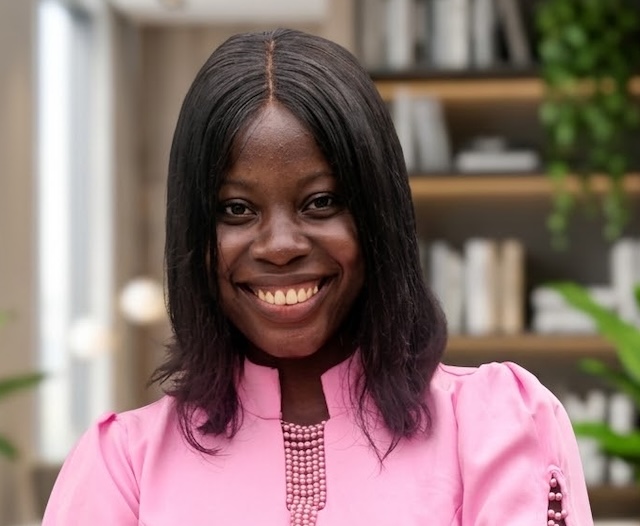
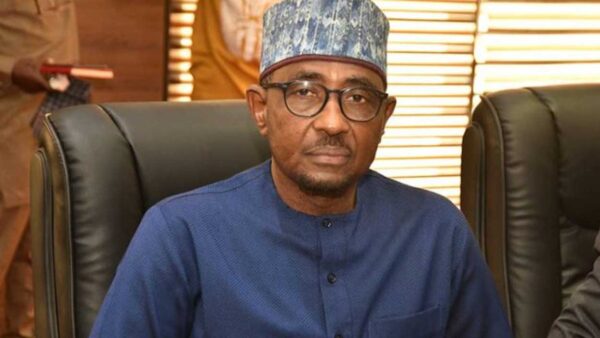
On Monday, September 22, Professor Babafemi A. Badejo received the Medal of the Order of Timor-Leste. The award came from J. Ramos-Horta, a Nobel Peace Laureate and President of Timor-Leste. The ceremony took place at the Permanent Mission of Timor-Leste to the United Nations in New York.
This award highlights Nigerian excellence on the global diplomatic stage. While Nigeria often makes headlines for its internal security and governance challenges, people like Professor Badejo have spent years building peace and governance systems in places like Somalia, Liberia, Darfur, and Guinea-Bissau. This award shows that Nigeria has the skills to solve tough governance issues. It raises the question of what else we could achieve if we used that same knowledge back home.
A nation's survival goes beyond medals and applause at big events. It involves people making tough deals in windowless rooms with difficult military governments. Often, these negotiators don't get recognition for their hard work. But one mistake in their paperwork can lead to a failed peace treaty.
Recently, President José Ramos-Horta of Timor-Leste honored Nigerian diplomat and Yintab Strategy Consults founder, Professor Babafemi A. Badejo. Amid the celebration, what stood out was Badejo’s acceptance speech. He did not take full credit for his success. Instead, he dedicated the medal to “every quiet peace support operation official and mediator, every civil society worker, and every ordinary citizen who does the unglamorous work of holding a country together while nobody is watching or applauding.”
High-profile meetings and speeches at the United Nations are just the tip of the iceberg. The “unglamorous work” that Badejo mentioned makes up the larger part beneath the surface that keeps everything in place.
This is what peace is truly about. It is the quiet strength of the market woman who keeps food flowing during a coup, the teachers who open classrooms when political tensions rise, and the everyday citizens who line up in the hot sun or heavy rain, risking everything to vote for democracy.
The importance of this award is not just local. An Asian president and Nobel Prize winner from Timor-Leste, a nation that has faced its own conflicts, is honoring a Nigerian professor for helping improve governance in a West African Lusophone country. This shows true South-South cooperation.
Badejo also highlighted an invisible group of peacebuilders. These are local mediators who calm community disputes before they escalate and monitors who detect threats in fragile areas. They work late into the night to turn political issues into functional government systems. Together, they support nations while powerful countries ignore them.

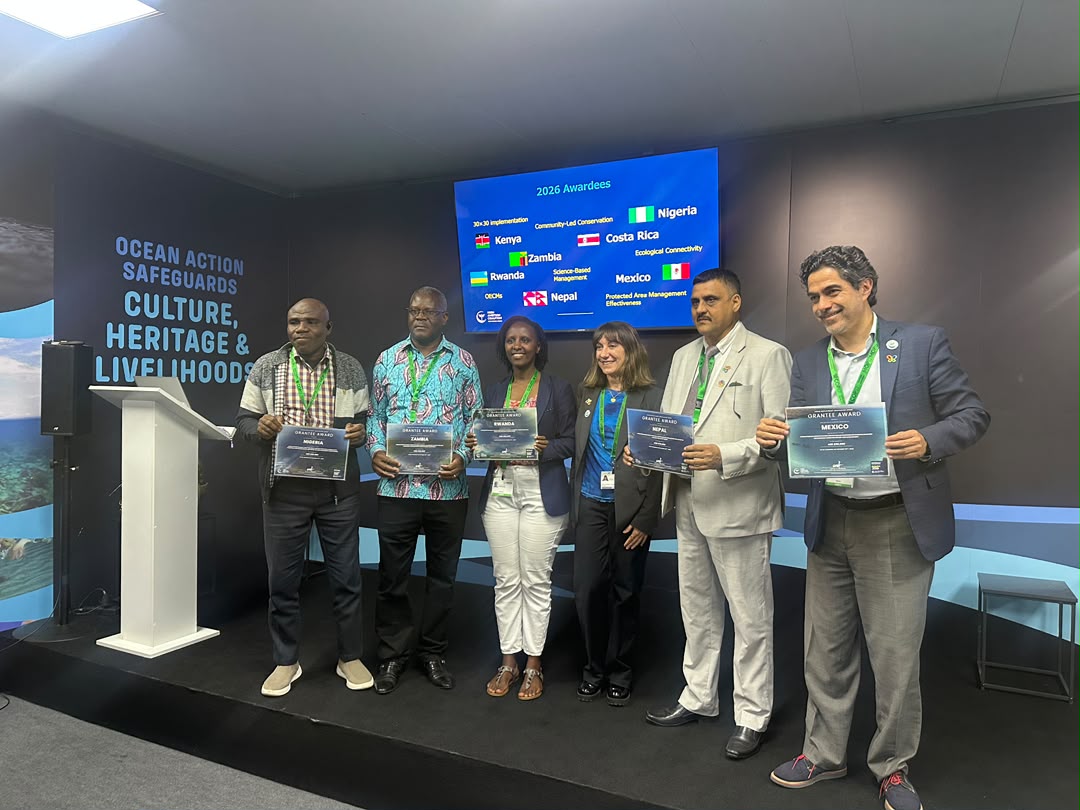
This idea of quiet, strong institution-building shaped the mission that earned Badejo his recognition in Timor-Leste. From January 2013 to June 2014, after a military coup in Guinea-Bissau, Badejo served as chief of staff to Ramos-Horta, then special representative of UN Secretary-General Ban Ki-moon. They worked together to mend the broken relationship between the United Nations and ECOWAS, helping restore constitutional order through fair elections in 2014. Timor-Leste contributed over $8 million to this process.
Along with a Timorese technical team, they created the Governance Efficacy Amelioration Programme (GEAP), a plan recognized by UN Security Council Resolution 2157. While the 2014 election was a visible success, the behind-the-scenes work of building reforms like GEAP was crucial to avoid a quick return to crisis. Rather than seeking quick fixes, Badejo’s career has linked peace, human rights, humanitarian work, and development. This can be seen in his key role in the 2000 Djibouti Initiative for Somalia, the African Union Humanitarian Agency (AUHA) framework, and his Situational Quadruple Nexus (SQN) model.
The significance of this award also extends far across the continental stage. Here we have an Asian president and Nobel Peace Prize laureate from Timor-Leste, a small nation that survived its own conflict, honoring a Nigerian professor for helping to fix governance in a West African Lusophone nation. This is South-South cooperation in its purest form: Global South nations stepping up to solve each other’s crises without waiting for Western powers.
Professor Badejo holding that medal for the “unseen peacebuilders” sends a strong message: quiet work for peace matters, even when no one is watching. Africa will only achieve lasting stability when we value and support the essential work of building institutions, civil society, and the everyday citizens working together to strengthen our nations.
With West Africa facing a rise in unconstitutional government changes, militia violence, and shrinking civic space, this recognition is a timely reminder for African leaders. Instead of waiting for a foreign “savior” to fix our problems, we need to look within and use our own resources. As Badejo pointed out, “small” Timor-Leste committed $8 million and expertise to stabilize Guinea-Bissau. When developing nations combine their financial resources, skills, and local resilience, the change we want becomes possible.
This award shines a light on Nigerian excellence on the global diplomatic stage. While Nigeria often makes the news for its own security issues and governance struggles, Nigerians like Professor Badejo have dedicated years to improving peace and governance in Somalia, Liberia, Darfur, and Guinea-Bissau. This recognition confirms that Nigeria has the knowledge and skills to tackle difficult governance challenges, making us wonder what more we could accomplish if we fully utilized that same expertise at home.
The image of Professor Badejo holding up that medal for the “unseen peacebuilders” sends a powerful message: quiet labor for peace matters, even when no cameras are rolling. Africa will only secure lasting stability when we stop obsessing over ceremonial summits and start valuing and investing in the quiet, unglamorous work of institution-building, civil society, and everyday citizens working hand in hand to build our nations.


Comments
No comments yet.