Transforming Nigeria's Oil Sector: Insights from NMDPRA's Ex-CEO
Farouk Ahmed, ex-CEO of NMDPRA, urges improved regulation of Nigeria's oil sector at a recent event, highlighting the need for solid policy and stakeholder engagement.
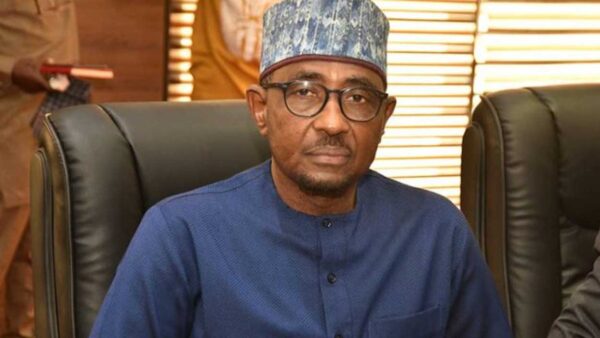
The former Chief Executive Officer of the Nigerian Midstream and Downstream Petroleum Regulatory Authority (NMDPRA), Farouk Ahmed, has called for better regulation of Nigeria’s oil sector. This comes as reforms and global market changes continue to unfold.
Mr Ahmed, who stepped down last year after facing corruption claims from Aliko Dangote, the President and CEO of Dangote Group, made these remarks during a goodwill message at the 20th anniversary of OTL Africa Downstream Energy Week in Lagos.
“My four decades of experience have shown me one key thing: effective regulation cannot exist separately from the industry it supports. Good regulation is based on solid policy, reliable data, professional skills, meaningful stakeholder engagement, openness, and a clear understanding of market realities,” he said.
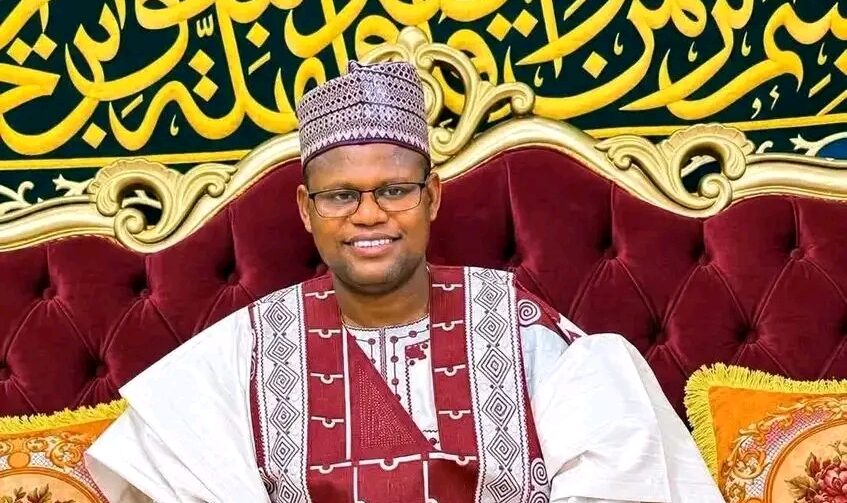
This event marked Mr Ahmed's first public appearance since leaving the regulatory body. He received a special recognition award for his contributions to the growth of OTL Africa Energy Week during the gala.
Mr Dangote accused Mr Ahmed of economic sabotage, claiming that the regulator’s policies hurt local refining in Nigeria.
He specifically said that the NMDPRA leadership worked with international traders and petroleum importers to hinder local refining by continuously issuing import licenses for petroleum products.
Mr Dangote also questioned Mr Ahmed’s wealth, alleging that four of his children attended secondary schools in Switzerland, costing millions of dollars. He raised concerns about potential conflicts of interest and the integrity of the regulatory oversight in the oil sector.
Mr Dangote alleged that Mr Ahmed spent over $5 million on his children's education in Switzerland. He named the children and their schools as Faisal Farouk of Montreux School; Farouk Jr. of Aiglon College; Ashraf Farouk of Institut Le Rosey; and Farhana Farouk of La Garenne International School. Each child reportedly spent six years at their respective schools.
In December last year, Mr Dangote filed a petition with the Independent Corrupt Practices and Other Related Offences Commission (ICPC) through his lawyer, accusing Mr Ahmed of corruption, abuse of office, and economic sabotage. Mr Ahmed has denied any wrongdoing.
This petition followed a public disagreement between both men regarding petroleum importation policies during Mr Ahmed’s time at the NMDPRA.
Mr Dangote insisted that these policies weakened Nigeria’s ability to refine oil domestically, especially affecting his multi-billion-dollar refinery.
But Mr Ahmed argued that petroleum supply in Nigeria should not be controlled by one player and that import permits should be available to others in the market to promote competition.
In light of the allegations and controversy, Mr Ahmed eventually resigned from the NMDPRA.
Regulation and industry transformation
At the OTL Africa event, Mr Ahmed stressed that responsible operators must understand that good regulation, when well designed, consistently applied, and fairly enforced, gives the certainty and stability needed for investment, competition, and growth.
“This is why platforms like OTL are important. They help connect regulatory goals and business realities. They encourage constructive discussion, promote understanding, and create chances for stakeholders to find common solutions,” he said.
He attended the event with the perspective of someone who has spent over four decades in petroleum regulation and industry development, including being the NMDPRA’s first Chief Executive.
From this viewpoint, Mr Ahmed noted that institutions and platforms that last for two decades do so because they meet real needs, provide ongoing value, and respond to changing demands.
“OTL Africa has shown these qualities. Your Excellencies, Ladies and Gentlemen, twenty years is not just a milestone; it is proof of vision, resilience, consistency, and partnership,” he said.
Over the years, he pointed out that OTL has offered a platform for regulators, operators, investors, policymakers, and others to share ideas, tackle challenges, and seek solutions together.


He said the importance of such a platform is high, given the vital role of the petroleum and energy sectors in economic growth.
For him, the downstream sector affects many aspects of economic life, from transport and manufacturing to power supply, agriculture, trade, and household welfare. Its efficiency and stability directly impact national development and people’s quality of life.
Africa’s downstream industry at a turning point
Mr Ahmed said Africa’s downstream oil industry is at a key moment of change, needing coordinated action from governments and industry players.
He pointed out critical issues facing the industry, such as energy security, lack of infrastructure, financing problems, product quality, supply-chain efficiency, market integration, environmental sustainability, and the shifting global energy landscape.
While he described these challenges as serious, he also said they offer big opportunities for Africa.
The continent has the chance to build a more connected, competitive, efficient, and resilient downstream energy market.
To achieve this, he stated, stronger regional cooperation is needed, along with investment in storage and distribution, modern refining capacity, suitable technology, and transparent market practices. Regulatory frameworks must encourage investment while protecting consumers and the public interest.
He stressed the need to invest in human talent, saying the future of the industry will depend not just on infrastructure and money but also on the skills, integrity, and creativity of the professionals involved.
Mr Ahmed urged OTL to grow beyond a conference and exhibition platform into a stronger force for practical industry solutions, strategic partnerships, investment opportunities, and measurable results.
He said the discussions at the event should lead to action, partnerships should turn into projects, and ideas should help improve Africa’s energy value chain.
Institutional continuity and future of the industry
The former regulator also highlighted the need for institutional continuity, emphasizing the importance of passing down industry knowledge and experience to younger professionals.
He said the knowledge built over decades must be shared to prepare the next generation of regulators, entrepreneurs, engineers, and energy leaders to tackle new challenges with fresh strategies.
As OTL celebrated its 20th anniversary, Mr Ahmed urged industry stakeholders to look beyond past successes and renew their commitment to the future of the sector.
He called on regulators to strengthen their commitment to fairness, transparency, and predictable policies; operators to seek efficiency, innovation, and responsible practices; investors to provide the necessary capital and long-term commitment for sustainable growth; and policymakers to enhance the business environment.
“Most importantly, let’s recognize that Africa’s energy future cannot be built by regulators alone, operators alone, or investors alone. It must be built through partnership, trust, and a shared determination to succeed,” he said.
He expressed hope that OTL’s next 20 years would bring stronger partnerships, more investments, smarter regulations, more efficient markets, and better energy access for Africans.
“Let us not just gather to talk about Africa’s energy future; let us come together, with purpose, discipline, and urgency, to build it,” he said.


Comments
No comments yet.