BHCPF spends N339bn in 12 years, N235bn during Tinubu's time - Pate
The Basic Health Care Provision Fund has given out N339 billion since 2014, with a significant increase in funding during the last three years. This investment aims to enhance primary healthcare services across Nigeria.
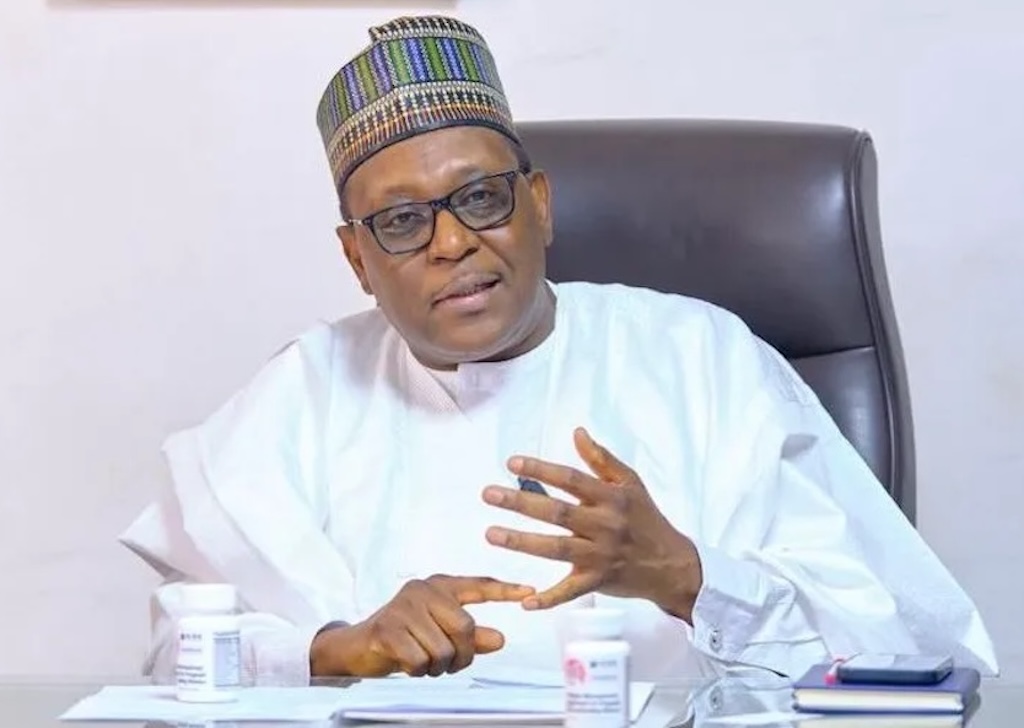
The Basic Health Care Provision Fund (BHCPF) has given out N339 billion to states since it started in 2014. Out of this, N235 billion was released in the last three years, according to the Coordinating Minister of Health and Social Welfare, Muhammad Pate.
Mr Pate mentioned that the rise in funding shows more investment in primary healthcare. This has made it easier for people to get important health services across the country.
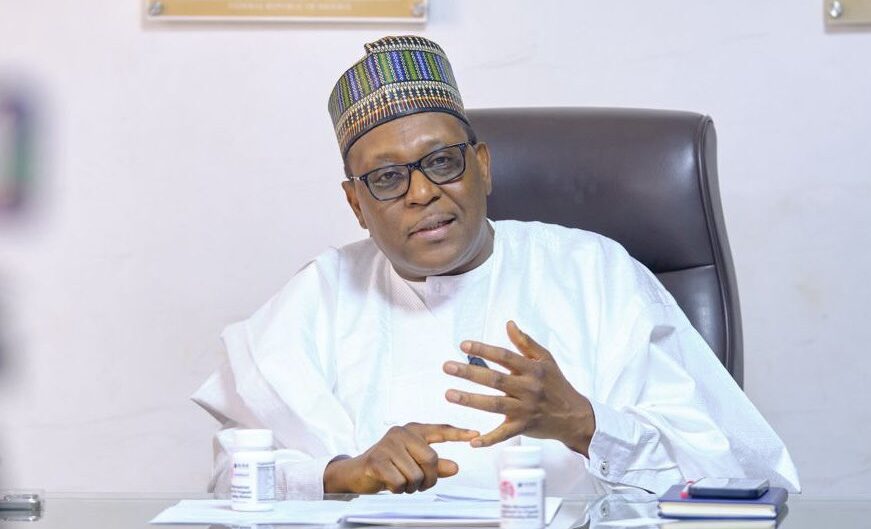
He spoke on Friday in Abuja after leading the 15th Expanded Ministerial Oversight Committee (MOC) meeting. This meeting focused on how the BHCPF and other health sector reforms are being implemented.
“In the last 12 years of BHCPF, N339 billion was disbursed to states, out of which N235 billion was disbursed only in the last three years,” he said.
“This shows the effort to expand Primary Health Care (PHC) under this administration,” he added.
Mr Pate also said the committee approved N32.88 billion as the second-quarter 2026 BHCPF disbursement to keep healthcare services running across the country.
He mentioned that the committee approved plans to include private-sector representatives in the Ministerial Oversight Committee. This aims to boost participation in health sector decisions.
Expanding primary healthcare
According to the minister, over 8,000 PHCs in all 36 states are still getting funding through the BHCPF channels.
He said the money goes through primary healthcare agencies, health insurance authorities, the Nigeria Centre for Disease Control and Prevention (NCDC), and emergency medical services.
Mr Pate added that assessments are ongoing to raise the number of supported healthcare facilities from over 8,000 to 17,600 across the country.
He also mentioned that the National Primary Health Care Development Agency (NPHCDA) has upgraded more than 3,000 PHCs at different levels nationwide.
Emergency care and disease readiness
Mr Pate said these investments have led to more people using healthcare services and better emergency medical treatment across the country.
He reported that 35 states have set up emergency medical service structures, while the other two still depend on federal institutions for emergency help.
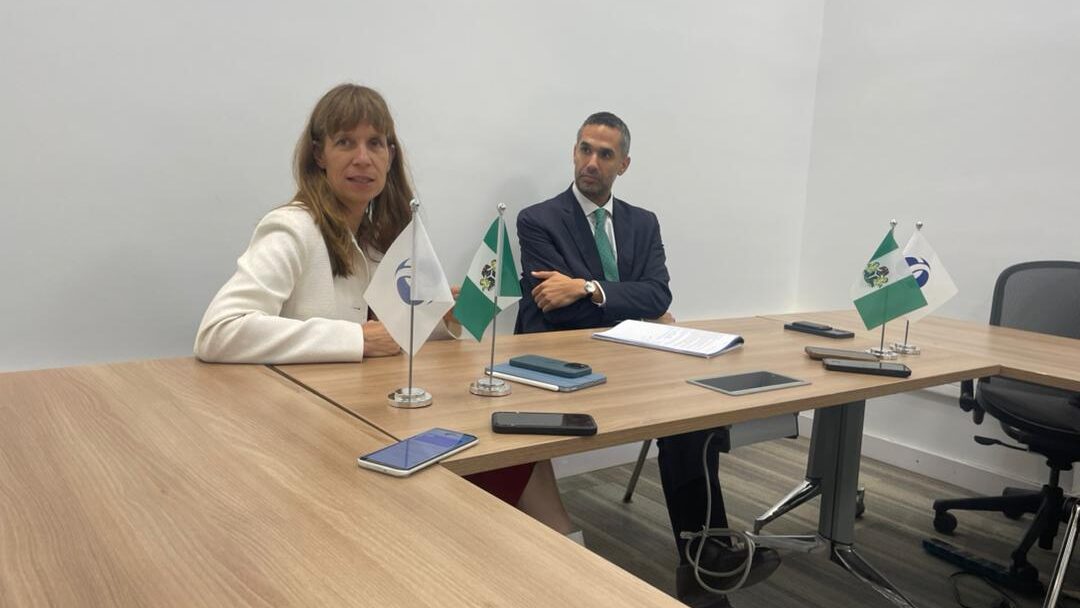
He said more than 130,000 Nigerians have used emergency medical services funded by the BHCPF.
The minister added that the NCDC is helping states improve disease surveillance, outbreak detection, and emergency response using the fund.
He shared that the federal government has approved funds for all 36 states to prepare against the Ebola Virus Disease after recent cases in parts of Africa.
Health improvements
Mr Pate said early results from the 2026 Mini Demographic and Health Survey (Mini-DHS) show progress in many health indicators since the National Health Sector Renewal Initiative started.
According to him, the survey found better antenatal care attendance, skilled birth attendance, contraceptive use, immunisation coverage, child health, and HIV services.
“The purpose was to see if we are making progress, and we are glad to see that there is progress. It means we have to work even harder,” he said.
He added that health insurance enrolment has grown from about 15 million beneficiaries at the start of this administration to over 22 million. More than six million Nigerians have signed up in the last three years.
Maternal and newborn health
The minister said more than 48,000 women have received free emergency obstetric care funded by the federal government through 237 participating health facilities across the country.
He explained that many of these women would have found it hard to pay for life-saving procedures like caesarean sections.
Mr Pate also shared that the government’s Free Fistula Programme has helped more than 4,771 women with surgical repairs. These women have also been rehabilitated and helped back into society after treatment.
Additionally, he said over 2,900 newborns have benefitted from the federal government’s neonatal health programme.
Mr Pate reaffirmed the federal government’s commitment to better accountability, improving teamwork, and ensuring health resources are used efficiently to support Universal Health Coverage.




Comments
No comments yet.