Can the AU’s plans for reparations represent all Afro-descendants?
The AU's 2025 reparations plan for Afro-descendants raises questions about representation and the unique needs of different communities. Some groups feel sidelined in this important discussion.
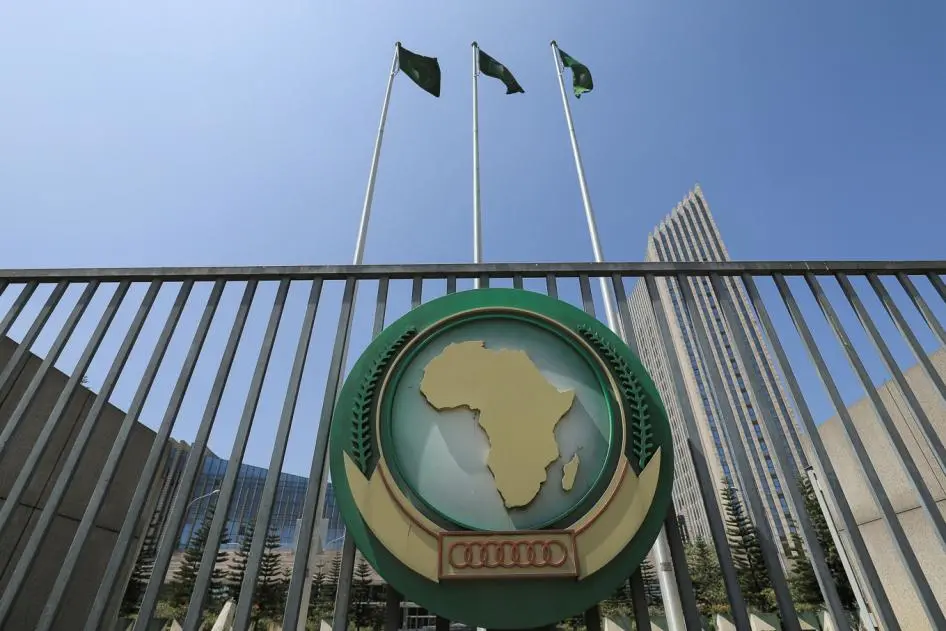
The African Union (AU) has named 2025 as the Year of Justice for Africans and People of African Descent Through Reparations. This will continue into a Decade of Justice from 2026 to 2035. The goal is to tackle historical wrongs like slavery, colonialism, apartheid, and genocide, focusing on Africans and people of African descent everywhere.
But some Afro-descendant groups are unsure if the AU has enough support from the diaspora. They question if the AU can truly represent African Americans, Afro-Latin Americans, Afro-Europeans, and others in negotiations for reparations. Even with a shared heritage, these groups have faced different injustices and might have different needs for reparations.
Since 2022, people and organizations in the United States (US) and Europe have raised concerns. They wonder if Afro-descendant communities have real influence in the process or if they are just sidelined in a state-focused initiative.
In April 2026, the American Descendants of Slavery Advocacy Foundation, New York chapter, opposed foreign involvement in representing their claims. They argued that their reparations claims should not fall under a Pan-African agenda. They highlighted the specific injustices of slavery in the US. African American claims typically focus on unpaid labor, Jim Crow laws, racial violence, and barriers to wealth creation. Wider issues include colonial dispossession, genocide, cultural destruction, and wealth exploitation.
The discussion also brings in the role of African leaders in the slave trade encouraged by Western nations. Leaders in Benin, Uganda, and traditional leaders in Ghana and Cameroon have admitted and apologized for Africa’s role. Yet, the AU has not issued any apology.
The AU and Caribbean Community (CARICOM) have created a proposed Global Reparations Fund, which Africa would manage. This raises questions about how to share resources fairly, given the different historical harms without creating red tape or conflicting goals.
This does not mean the AU’s agenda lacks backing from people of African descent. Cooperation for reparatory justice began in 1993 at the Abuja Pan-African conference and continued with the 2001 United Nations (UN) Durban Declaration against racism.
In 2021, partnership grew stronger after the first joint summit with CARICOM. The AU incorporated CARICOM’s 10-point reparatory justice plan from 2014 and the March 2026 AU-supported UN resolution that labeled transatlantic slavery as the ‘gravest crime against humanity.’
Even though the US voted against the resolution, the Congressional Black Caucus supported it, praising the AU’s leadership. They hinted that African American advocates and lawmakers would back a unified global agenda.
Cooperation has moved towards direct involvement. Ghana, with President John Mahama as the AU’s reparations champion, helped appoint Ron Daniels, convener of the National African American Reparations Commission, to Ghana’s Global Advisory Council on Reparatory Justice in September 2026. Various US civil society groups have called for closer ties with the AU and CARICOM.
Yet, the credibility of the reparations agenda relies on building strong ties between the AU and Afro-descendants. For this to happen, the AU must recognize all historical wrongs, the affected communities, responsible parties, and solutions, including those related to Africa's role in the transatlantic slave trade. It needs to respect the authority of affected communities to define and follow their unique claims.
There are signs that these worries are being included in the AU’s process. The AU’s Economic, Social and Cultural Council 2026 forum called for the process to reflect priorities of affected communities. However, it did not give them a role in decision-making.
A trustworthy AU agenda should welcome scrutiny instead of treating different claims as disunity. A coordinated approach can use the strengths of the AU and Afro-descendants, enhancing the reparations process.
Jamaica shows how national efforts can support a common agenda. In September 2026, it asked King Charles III to send questions about the legality of slavery and Britain’s reparations responsibilities to the Judicial Committee of the Privy Council. This petition, supported by CARICOM, could work alongside the AU plan to seek an advisory opinion from the International Court of Justice.
The involvement of Afro-descendants and diaspora organizations could boost reparations efforts in Africa through research, public education, lawsuits, political action, and international campaigning. They can engage Western governments, legislatures, universities, businesses, and other groups tied to historical wrongs.
This could raise awareness, gain political backing, pressure responsible parties to acknowledge their roles, and keep demands for reparations strong even if support within the AU or CARICOM wanes.
In return, the AU can strengthen local reparations efforts through diplomatic action, shared values, research support, and coordination between states and affected communities. It can help with international legal initiatives and promote common standards for recognition, compensation, restitution, rehabilitation, and guarantees against future violations.
Argentina demonstrates how a united front can amplify community claims. Afro-Argentine groups have long highlighted their history's invisibility. In 2023, the UN Committee on the Elimination of Racial Discrimination welcomed Argentina’s recognition efforts but raised concerns about the lack of information on reparations for historical injustices.
Argentina’s vote against the 2026 UN resolution, along with the US and Israel, complicates the situation. The AU’s agenda and diaspora networks could strengthen Afro-Argentine claims internationally, link local advocates to broader movements, and bring these issues into public conversation.
For African Americans, whose initiatives have mostly been at local and state levels, a stronger international movement could elevate their claims to the federal level and encourage bipartisan support.
Concerns about representation and agency also come from Africa. In Namibia, descendants of the Herero and Nama, victims of the 1904-1908 genocide under German rule, challenged a 2021 joint declaration where Germany offered Namibia €1.1 billion in development aid over 30 years. They protested their exclusion from negotiations and the lack of direct benefits to affected communities.
To make its reparations agenda a shared platform, the AU needs a strategy to uplift minority voices. Its agenda will be judged by its ability to unite different fights for justice while respecting the rights, priorities, and agency of affected communities.
Comments
No comments yet.