CJN calls for better legal support for maritime industry
The Chief Justice of Nigeria emphasizes the need for better legal frameworks to support the maritime sector during the 18th International Maritime Seminar for Judges.

The Chief Justice of Nigeria, Kudirat Kekere-Ekun, has called for better legal support, a strong justice system, and teamwork across courts to help the maritime sector grow.
She made these remarks at the start of the 18th International Maritime Seminar for Judges. This event was organized by the Nigerian Shippers’ Council in partnership with the National Judicial Institute on Wednesday in Abuja.
The News Agency of Nigeria (NAN) reported that the three-day seminar gathered judges, maritime regulators, lawyers, and participants from many African countries to improve maritime law.
Ms Kekere-Ekun said maritime law is a key part of global trade. She pointed out that almost 90 percent of international trade happens over the oceans.
She mentioned that Nigeria's maritime resources give the country a chance to gain a lot from the blue economy. But this growth needs a strong and trusted legal system.
The CJN noted that clear legal guidelines are essential for attracting investment. She said solving maritime disputes quickly and fairly will boost investor confidence and help the economy grow.
She also said that maritime judges need to keep building their skills to handle new legal challenges from technology, environmental rules, online trade, and changing international maritime laws.
"Maritime justice is essential for business certainty, investor trust, and sustainable growth in the blue economy."
"Cooperation and discussion between courts help to ensure that international maritime laws are interpreted consistently and that complex disputes are resolved fairly."
"Every well-reasoned maritime judgement builds confidence in the legal system and strengthens the framework needed for global trade," she added.
Ms Kekere-Ekun pointed out that issues like climate change, maritime security, automated ships, and digital shipping are changing maritime trade. Courts must find a way to balance business certainty with protecting the environment and meeting new international obligations.
She encouraged judges from different regions to deepen their cooperation, share experiences, and use comparative methods to handle complex maritime disputes consistently and professionally.
According to her, seminars like this annual maritime forum give judges a chance to keep learning, engage with policies, and develop a unified maritime law across Africa.
She is hopeful that the discussions will lead to practical suggestions to improve maritime law, boost regional cooperation, and enhance Nigeria's image as a reliable place for maritime investment.

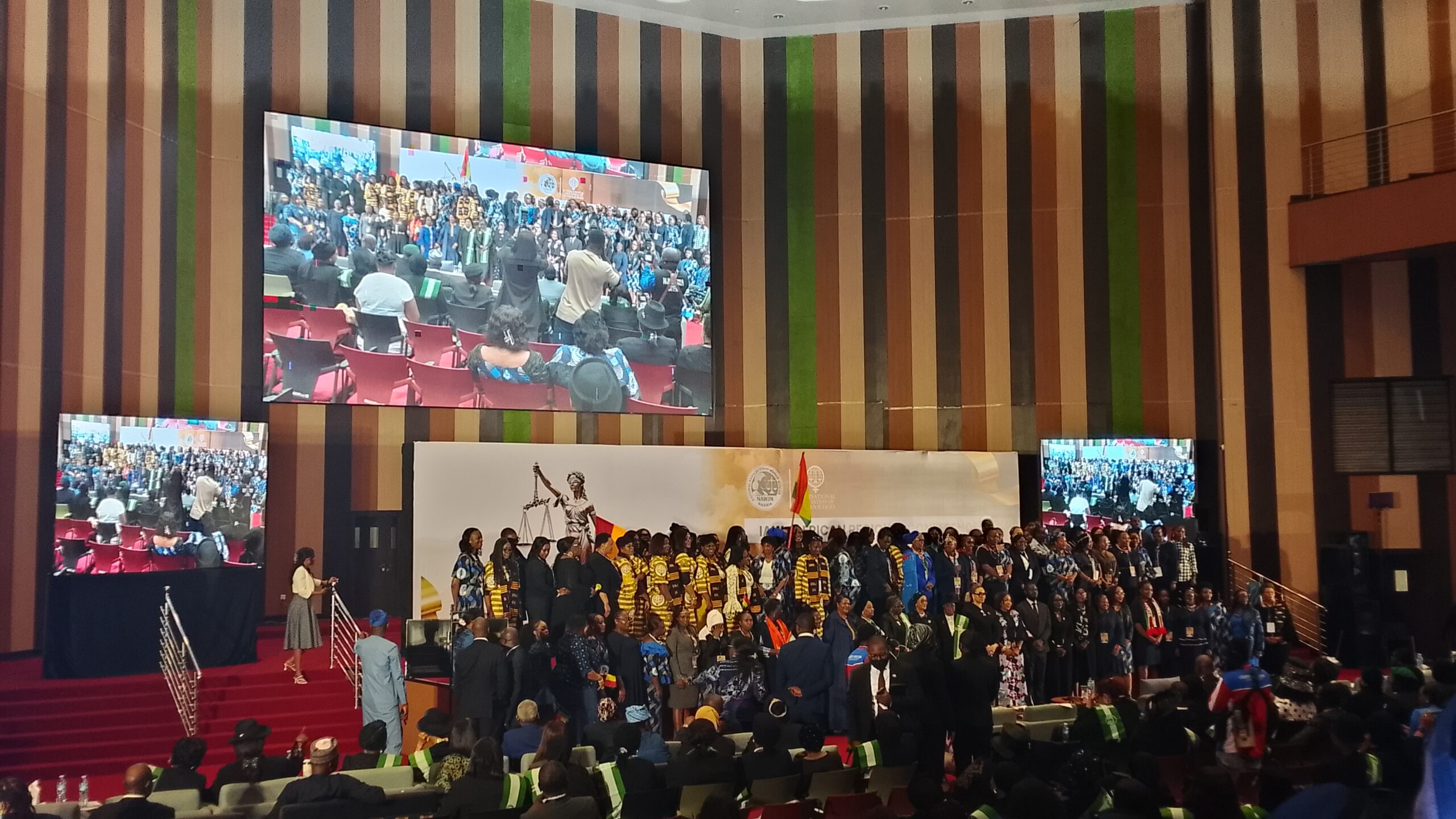
Also speaking at the seminar, George Akume, the Secretary to the Government of the Federation, said that maritime justice is now an important national economic issue.
He pointed out that handling maritime disputes efficiently is vital for trade, investment, and governance.
"When maritime claims take too long, trade suffers, investor confidence drops, and the cost of doing business goes up. Ordinary Nigerians feel the effects of this," he said.
"A trustworthy, efficient, and knowledgeable maritime justice system is key to unlocking Nigeria's blue economy and supporting economic growth."
"The federal government will back the implementation of practical ideas from this seminar to boost maritime justice and make necessary reforms," the SGF stated.
Mr Akume emphasized that maritime trade involves many government agencies. He said that regulators, ministries, and the judiciary must work together to create a reliable and efficient maritime business environment.
He mentioned that agencies in charge of ports, shipping regulation, maritime safety, customs, and judicial matters need to cooperate to make Nigeria more competitive in the global maritime market.
Mr Akume assured that the government would continue to promote collaboration among agencies to ensure that the seminar's recommendations lead to legal reforms, institutional improvements, and better justice for those in the maritime sector.
He also welcomed judicial representatives from Ghana, Kenya, Liberia, Sierra Leone, and Gambia, noting that regional cooperation among judges would help create unified business laws and ease maritime trade in Africa.
"Ongoing collaboration among judicial bodies strengthens legal certainty and builds the trust needed for cross-border shipping and commerce."
"This seminar has become one of the leading platforms in Africa for judicial education, maritime law development, and institutional cooperation."
"The results of these discussions must go beyond the conference halls and lead to practical reforms that benefit businesses, investors, and port users," he concluded.






Comments
No comments yet.