COP31: The Real Challenge is Shifting Responsibility, Not Just Multilateralism
COP31 shows that climate talks must focus on fairness and responsibility. The future of multilateralism depends on addressing real issues, not just symbols.

The journey to COP32 in Ethiopia needs to focus on more than just saving multilateralism. It has to strengthen Africa's climate diplomacy, bring fairness back to climate talks, and stop the trend of pushing climate responsibility onto those who did the least to cause the problem.
Many experts say that COP31's failure to reach a major political agreement is a big setback for global climate efforts. Some even think this could mean the end of climate multilateralism.
I get the disappointment. But I believe those conclusions are too extreme and miss the real problems of COP31.
First, we need to separate the symbolic nature of a COP cover decision from the real structure of international climate cooperation. Cover decisions are a newer part of COP diplomacy. They help presidencies communicate key political messages and deal with tough issues that don't fit neatly into agreed decisions.
These cover decisions matter. They hold a lot of political weight. But not having them does not mean previous agreements are null and void or that multilateralism is finished.
Second, not getting stronger language on fossil fuels is unfortunate, but it does not erase the significant commitment made in Dubai at COP28 to move away from fossil fuels in energy systems. That commitment is still part of the international climate framework. COP31 cannot just ignore it.
There is also a troubling hypocrisy that we need to recognize. Some Western countries that have spoken out about the lack of strong fossil fuel language still approve or support new oil and gas investments at home and abroad. True climate leadership should be judged not just by strong words but by consistent domestic policies and investment choices.
When rich countries do not provide enough money for climate solutions like mitigation, adaptation, and loss and damage, the responsibility for fixing a crisis they largely created does not just vanish. It gets passed to those who are least responsible and least able to handle it.
For me, the biggest failure of COP31 is not securing stronger and more believable financial commitments from developed countries to help with climate action in developing nations.
This is where the real injustice of international climate governance shows up clearly.
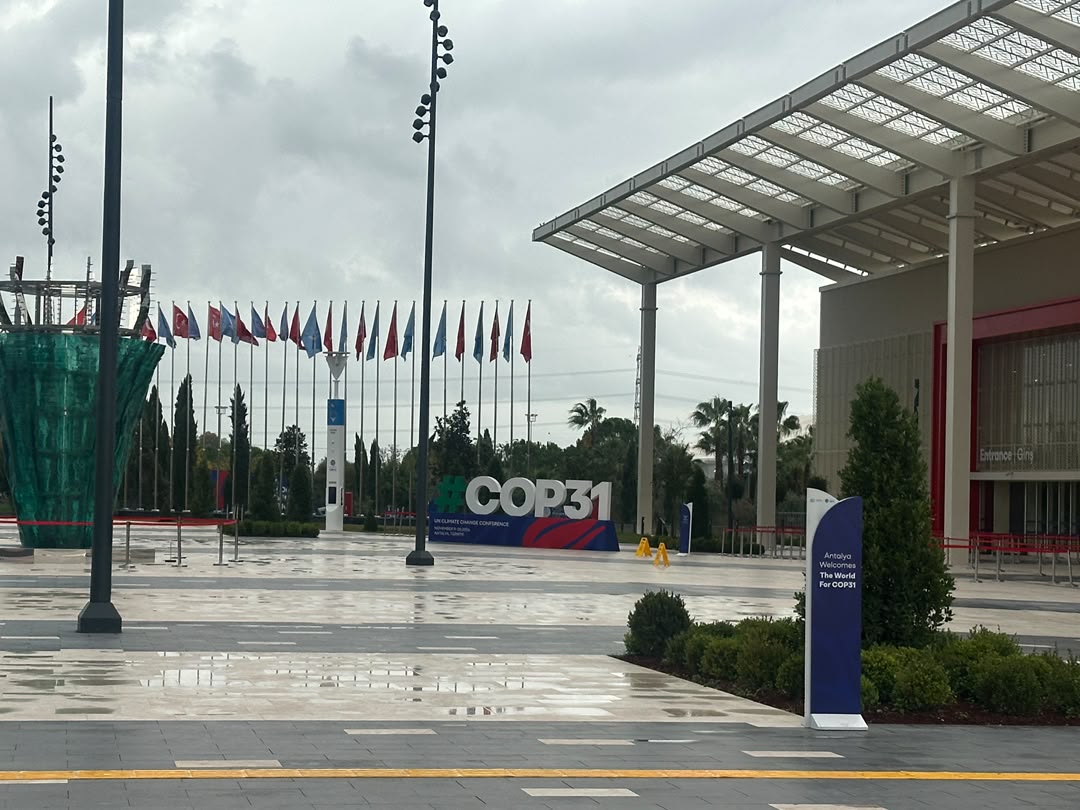
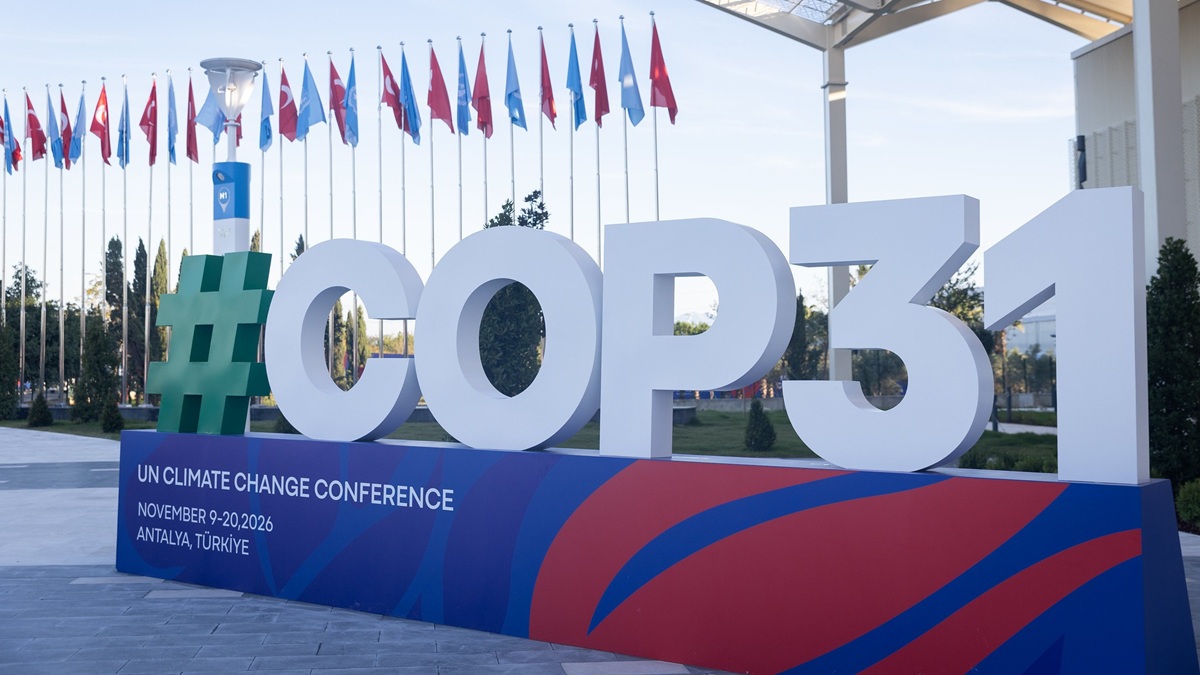
When wealthy countries fail to provide adequate finance for mitigation, adaptation, and loss and damage, the responsibility for addressing a crisis they disproportionately created does not disappear. It is simply transferred to those least responsible and least equipped to bear it.
What I call Common But Shifted Responsibility (CBSR) describes this situation. Here, responsibility is seen as shared but the real costs of climate action and inaction are increasingly placed on poorer countries.
The effects are not just theoretical. They show up as lost livelihoods, rising costs for adaptation, increasing debt, missed development chances, and human suffering.
Of course, we need to acknowledge the tough financial situations that many developed countries face and the tough global politics surrounding climate talks. These issues are real. But they cannot excuse the ongoing transfer of climate change costs to those who contributed the least.
The disappointing results also show weaknesses in how Türkiye and Australia managed the negotiations. Their shared leadership found it hard to build agreement and address different interests. This was in contrast to the clever and sometimes obstructive diplomacy of Saudi Arabia. This gives a key lesson for COP32: Ethiopia must show stronger diplomatic leadership and better negotiation management. African nations must come together as a united and effective negotiating force to get results that reflect their needs.
COP31 might not have achieved the political breakthrough many wanted. But it has not destroyed the basis for global climate cooperation.
We need to avoid both diplomatic laziness and overreacting to the situation.
Now is the time to regroup, rebuild alliances, and return to the negotiation table with fresh determination to bridge the gap between climate promises and climate justice.
The road to COP32 in Ethiopia must therefore be about more than rescuing multilateralism. It must strengthen African climate diplomacy, restore fairness to climate talks, and stop the trend of shifting climate responsibility onto those who are least responsible for the crisis.


Comments
No comments yet.