Court Orders Final Forfeiture of 48 Properties Linked to Malami
A Federal High Court in Abuja has ordered the final forfeiture of 48 properties tied to former Attorney General Abubakar Malami due to illegal acquisition claims.
The Federal High Court in Abuja ordered the final forfeiture of around 48 properties tied to the former Attorney General of the Federation and Minister of Justice, Abubakar Malami, on Wednesday.
Judge Joyce Abdulmalik approved the forfeiture request from the Economic and Financial Crimes Commission (EFCC). She stated that Mr Malami and others claiming the assets could not prove they acquired them legally.
Before giving her final judgement, the judge dismissed various applications, motions, and objections from Mr Malami, his family, and some companies that claimed ownership of the properties. She said these claims had no merit.
She emphasized that the court's focus was not on who owned the properties, but on whether the funds used to buy them were legitimate.
According to the judge, the respondents did not dispel the reasonable suspicion that the properties came from illegal activities.
Judge Abdulmalik based her decision mainly on Section 17 of the Advance Fee Fraud and Other Fraud Related Offences Act when she granted the final forfeiture order.
However, she lifted the interim forfeiture order for some of the properties. The EFCC had brought 57 properties linked to Mr Malami for final forfeiture.
This final forfeiture does not mean anyone is criminally convicted or guilty. Mr Malami, his wife, and son are facing charges. Some of these charges involve acquiring funds through suspicious means.
The EFCC started the civil forfeiture process in January. They sought to permanently forfeit 57 properties worth N212.8 billion, claiming they were proceeds from illegal activities connected to Malami.
On January 16, during the court's annual vacation, vacation judge Emeka Nwite granted an interim forfeiture order for the properties. He also instructed the EFCC to publish the order in a national newspaper. This was to allow anyone interested in the assets to come to court and explain why they should not be permanently forfeited to the Federal Government. The properties are located in Abuja, Kano, Kebbi, and Kaduna states.
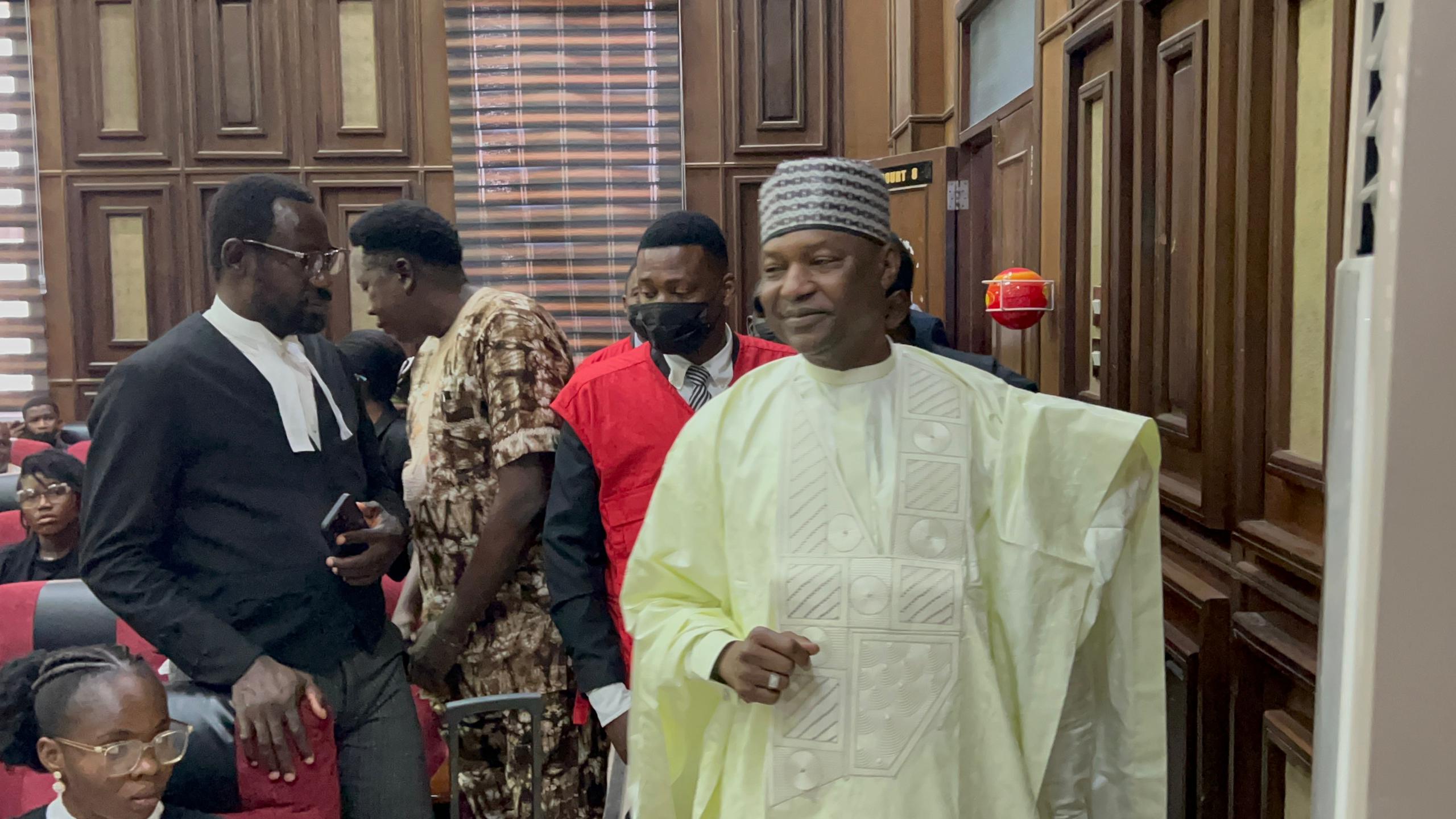

After the publication, Mr Malami, his wife Nana Hadiza Malami, his son Abdulaziz Abubakar Malami, and several companies linked to the properties filed objections. They asked the court to dismiss the EFCC's application and annul the interim forfeiture order, claiming it was wrongly issued.
They also insisted that the properties were legally acquired and that the EFCC could not prove any link between the assets and illegal activities.
The respondents further argued that the EFCC relied on guesses rather than solid evidence. They maintained that the EFCC failed to demonstrate that the properties were obtained from crime or identified any specific illegal act related to the assets.
After the Federal High Court came back from its annual break, the case was assigned to Judge Joyce Abdulmalik for hearing.
During the hearing, the EFCC argued that its investigation showed the properties were bought with money from illegal activities. They claimed these properties were registered under names of people and companies acting as fronts for Mr Malami. The EFCC urged the court to finalize the interim forfeiture order.
The EFCC also argued that, according to the law, they only needed to show "reasonable suspicion" and not prove their case "beyond reasonable doubt."
In late May, both parties submitted their final written arguments, after which Judge Abdulmalik held back her judgement.
The court initially set July 6 for the judgement, but it postponed the ruling twice before announcing it on Wednesday.
Mr Malami, his wife, and son are facing trial for N8.7 billion money laundering charges.
Get more stories like this on your home page
How this story developed
- Court delays ruling on 57 properties linked to Malami
Court Orders Final Forfeiture of 48 Properties Linked to Malami (this story)





Comments
No comments yet.