Dangote Refinery denies claims about fuel exports and imports
Dangote Refinery has denied claims of exporting fuel to Togo and then importing it back to Nigeria. The refinery stated these claims are baseless as fuel prices continue to rise.
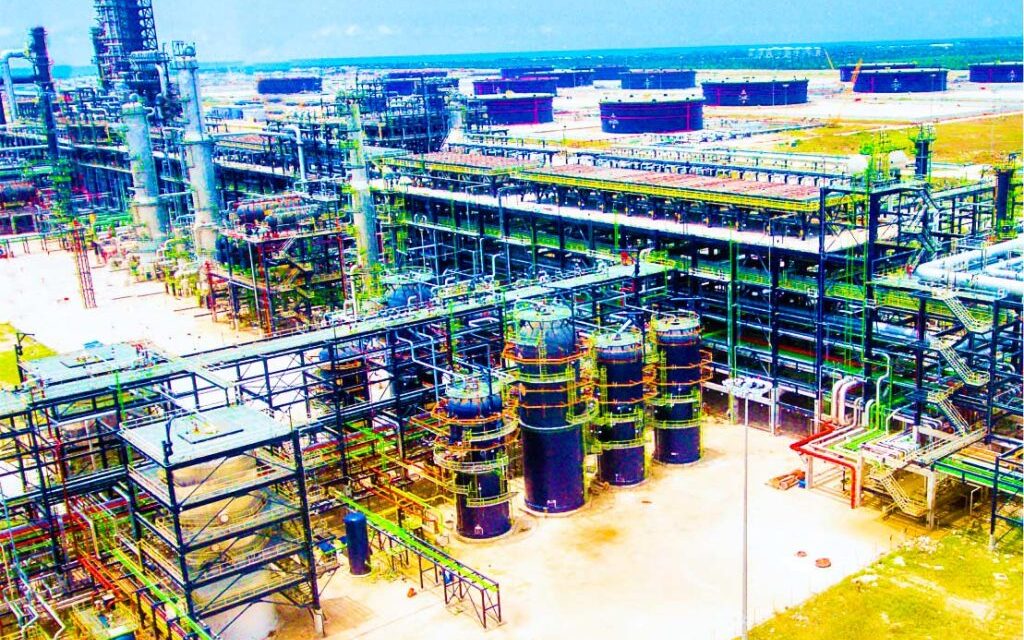
Dangote Petroleum Refinery has denied claims that it exports fuel to Lomé, Togo, and then brings it back to Nigeria. The refinery called these allegations “baseless” and “unsubstantiated,” saying they make no commercial sense.
The refinery's management responded as discussions about fuel prices in Nigeria heat up. This comes after a ceasefire deal between the United States and Iran has eased tensions in the global oil market.
Since the fighting started between the United States, Israel, and Iran earlier this year, petrol prices in Nigeria have shot up. The conflict raised fears about possible disruptions to global oil supplies, causing international oil prices to rise and pushing domestic fuel prices higher.
Dangote Refinery, a key supplier of refined petroleum products in Nigeria, has increased its ex-depot prices multiple times during this period. Petrol that cost around ₦870 per litre before the crisis has risen to nearly ₦1,500 per litre in some regions. In Abuja and other major cities, it is now about ₦1,340 per litre.
Many Nigerians hoped fuel prices would drop after the ceasefire and the fall in crude oil prices. Brent crude, which soared past $100 per barrel during the conflict, has significantly decreased since the ceasefire announcement.
In the last 24 hours, Brent crude has traded between $74.95 and $75.07 per barrel. This change has sparked discussions on social media, with some Nigerians asking why local petrol prices have not gone down to match the drop in global oil prices.
On Tuesday, the refinery released a statement called “Response to Unsubstantiated Claims and Tissue of Lies.” They usually do not respond to false allegations but felt it was necessary to clarify the situation.
The company stated that claims of shipping its products to Lomé and then bringing them back to Nigeria are not supported by trade data and do not make commercial sense. They said it would not be logical to import products that would compete with their own.
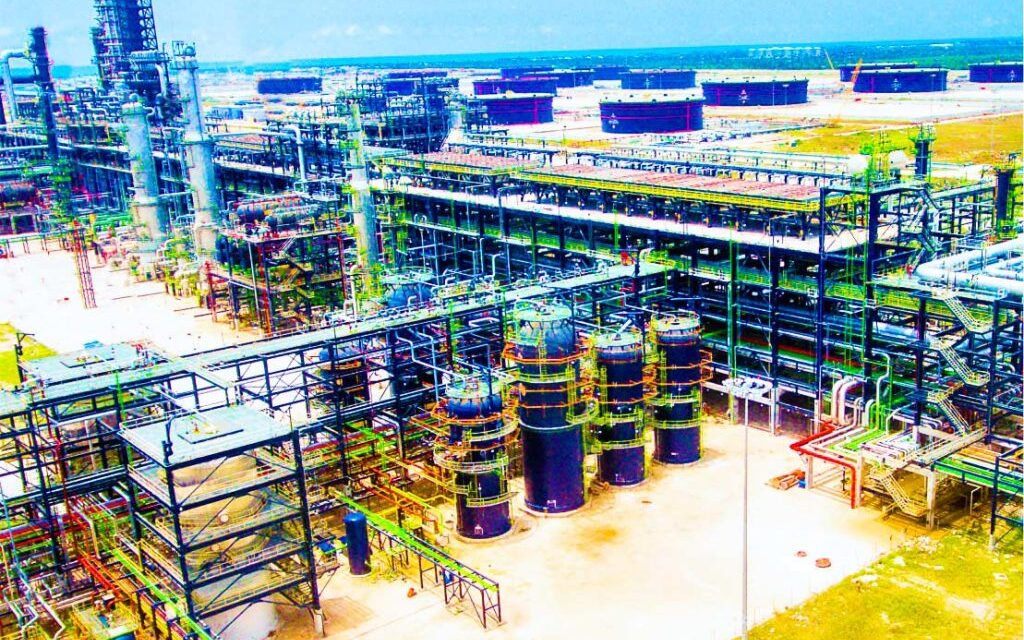
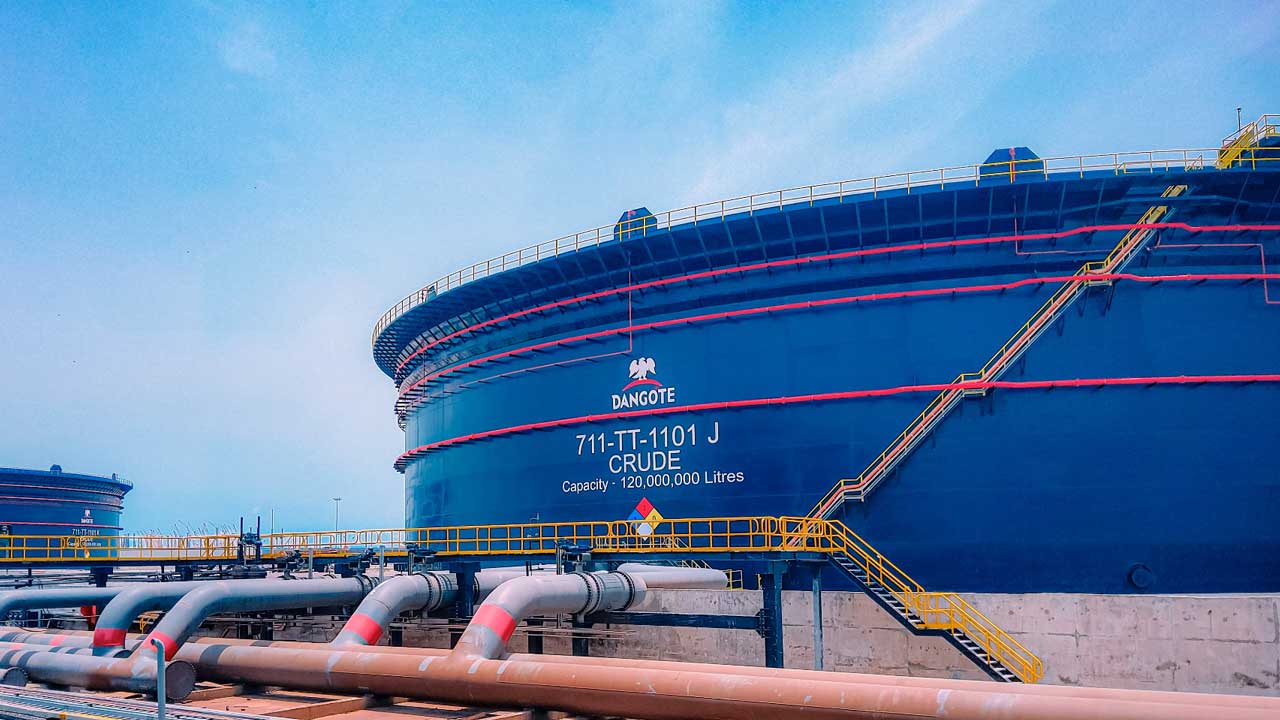
“Accordingly, Dangote Refinery’s sales contracts and tender terms expressly prohibit the resale or re-importation of products into Nigeria,” the statement said.
The refinery also pointed out that the costs of such a trade arrangement do not add up. They estimate that moving products from their facility to Lomé and back to Nigeria would cost between $82 and $90 per metric tonne. This would raise costs and cut into profits.
They explained that they do not provide export discounts big enough to cover logistics, storage, financing, and handling expenses for such deals. “Simply put, there is no evident commercial incentive for a producer to incur additional shipping, storage, financing and handling costs only for the product to return and compete in its largest and closest market,” they stated.
Dangote Refinery keeps detailed records of all product sales, including loading locations, nominated vessels, and destination reports when necessary. They also said that claims suggesting they knowingly allow products to be re-imported into Nigeria contradict their contract rules and compliance procedures.
The company emphasized that these claims go against their long-standing goal of reducing Nigeria’s reliance on imported petroleum products. They argue that more fuel imports harm local refining, stress foreign exchange reserves, and hurt domestic industrial growth.
“It would therefore be inconsistent with both the refinery’s commercial interests and its publicly stated position to support or encourage practices that increase imports into Nigeria,” the statement said.
In conclusion, the refinery said there is no strategic or commercial reason for it to export products to nearby countries only to bring them back into Nigeria. They stressed that the claims lack support from trade economics, contractual agreements, product tracking systems, and their commitment to improving local refining and Nigeria’s energy security.






Comments
No comments yet.