Edo Education Commissioner Slams UK Leader Over Slavery Apology and Reparations
Edo State's Education Commissioner Washington Osifo has criticized UK Conservative leader Kemi Badenoch for her stance on slavery reparations and historical responsibility.
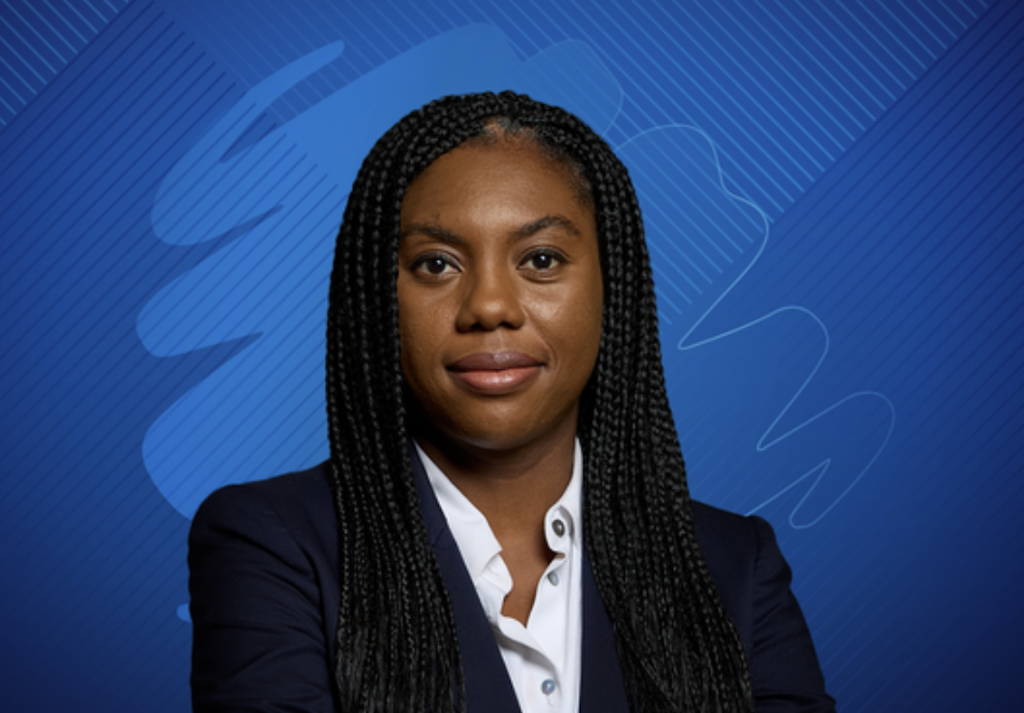
The Edo State Commissioner for Education, Washington Osifo, has criticised Kemi Badenoch, the leader of the UK Conservative Party. He took issue with her stance against Britain apologising for its role in the transatlantic slave trade and paying reparations to the victims.
Mr Osifo accused Ms Badenoch of twisting history. He said she wrongly blamed African kingdoms and merchants for the slave trade along with European powers. He believes this view does not separate African collaborators from the European powers that created and supported the transatlantic system.
The commissioner shared his thoughts in a paper titled "The Victim Who Is Asked to Apologise to Her Rapist: A Critique of Kemi Badenoch’s Doctrine on Slavery, History and Moral Inversion." He sent this paper to PREMIUM TIMES on Tuesday, dated 10 November.
Ms Badenoch claimed that slavery involved participants from different continents. She asked if Caribbean countries demanding an apology from Britain would also seek apologies from descendants of African kingdoms, rulers, and merchants who captured and sold enslaved Africans.
She also dismissed calls for financial reparations. She argued that today's British taxpayers should not be held liable for events that happened long before they were born. The Conservative leader pointed to Britain’s role in ending the transatlantic slave trade as a reason the country should not apologise or pay compensation.
In response, Mr Osifo acknowledged that some African rulers and merchants were part of the trade. But he insisted that their involvement should not be compared to the European powers that created the market, supplied ships and weapons, financed the trade, and built the legal and economic systems supporting racial slavery.
"Participation is not authorship. Collaboration under duress is not creation," he said.
He argued that Africa and the Caribbean should be seen as victims of the transatlantic slave trade. He believes they should not be blamed for a system that changed global economic and racial relations.
Mr Osifo also questioned Ms Badenoch’s use of Britain’s abolitionist history to justify its past actions. He said the UK's later abolition of the slave trade does not erase its earlier role in the forced transport and exploitation of millions of Africans.
He pointed to the £20 million compensation paid by the British government to slave owners after the 1833 Slavery Abolition Act. He noted that the enslaved people received no compensation at all.

According to him, this compensation was a major historical injustice. The British government paid slave owners instead of the people who lost their freedom. He added that the loan used to fund this compensation was not fully paid off until 2015. This means that British taxpayers, including descendants of enslaved Africans, helped pay back money that was originally given to slave owners.
When Ms Badenoch argued that modern British taxpayers should not be responsible for historical crimes, Mr Osifo referred to the principle of continuity of state responsibility. He insisted that Britain is still the same state that made the laws, enabled the trade, and gained wealth from slavery. He said Britain continues to benefit from institutions and assets built during that time.
The commissioner stated that reparations should involve more than just financial compensation. He mentioned formal apologies, returning looted African artefacts, investing in education and healthcare, historical truth, and promises against future exploitation as parts of reparative justice.
He also disagreed with Ms Badenoch’s comparison of reparations to past international debt relief efforts. He said debt relief is about obligations between creditors and debtor nations. In contrast, reparations focus on addressing historical wrongs and their lasting effects.
Mr Osifo accused the Conservative leader of letting political factors shape her view on slavery. He suggested her defense of Britain’s past actions was influenced by her political goals within the British Conservative Party. However, he did not provide proof of her personal motives in his paper.
Ms Badenoch’s statements have sparked renewed discussion on Britain’s historical responsibility for the transatlantic slave trade. This comes at a time when Caribbean and African nations are again calling for a formal apology and reparations.
In March, PREMIUM TIMES reported that Ms Badenoch criticized Britain for not voting on a United Nations General Assembly resolution. This resolution recognised the transatlantic slave trade as a serious crime against humanity and called for reparative justice. The resolution, which Ghana introduced, received 123 votes in favor. Three countries voted against it, and 52 abstained, with Nigeria being one of those that supported it.
Ms Badenoch insisted that Britain should have voted against the resolution. She claimed the country helped lead the fight to end slavery and should not pay reparations for a crime it worked to eradicate.

Comments
No comments yet.