Senate may invite minister, telecom firms over bad services and airtime deductions
The Senate is considering inviting the Minister of Communications and telecom operators due to ongoing complaints about poor network services and airtime deductions.
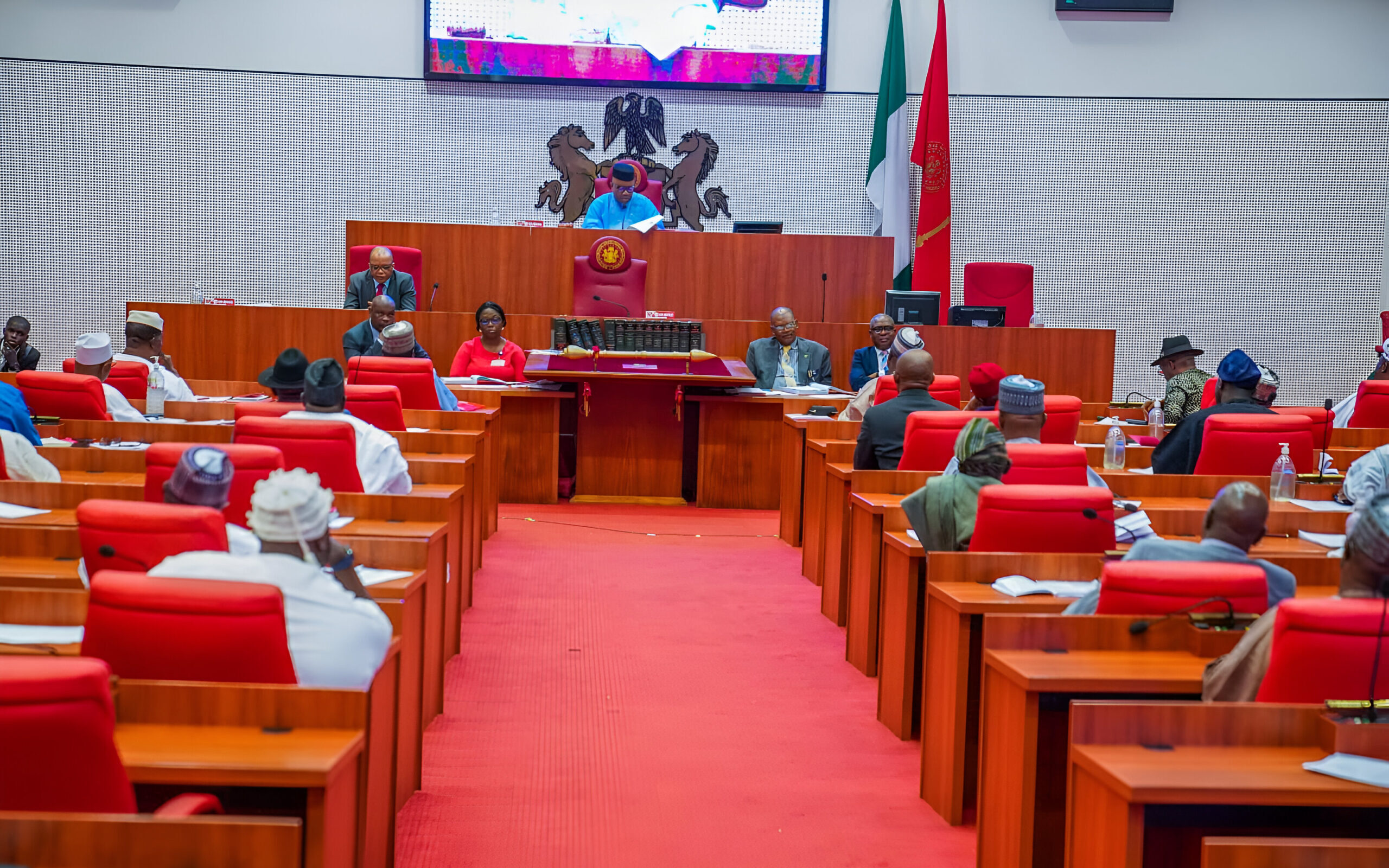
The Senate on Wednesday threatened to call the Minister of Communications, Innovation and Digital Economy, Bosun Tijani, and telecom operators in Nigeria. This comes due to ongoing poor network services and unfair deductions from subscribers’ airtime.
The Senate said it would invite the minister and operators if a planned meeting between the Senate Committee on Communications and the Nigerian Communications Commission (NCC) does not satisfactorily address Nigerians’ complaints.
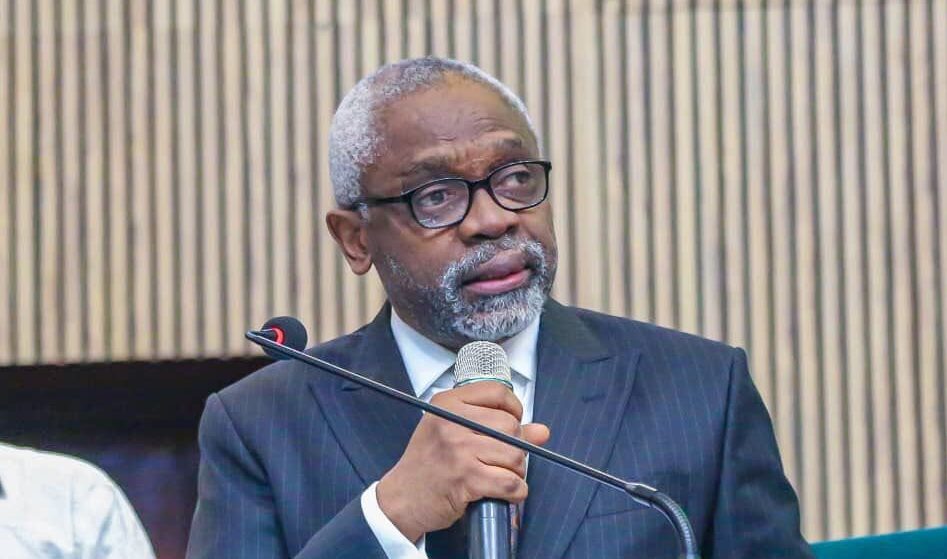
Senate President, Godswill Akpabio, shared this decision during plenary after lawmakers discussed a motion aimed at stopping unjust deductions from airtime caused by poor telecom services.
The motion was introduced by Tahir Monguno (APC, Borno North) but presented by Oyelola Ashiru (APC, Kwara South).
Initially, the motion called for the Senate Committee on Communications to invite the NCC and telecom operators to look into the complaints and report back in four weeks.
But Mr Akpabio said four weeks was too long, considering the seriousness of the issue. He mentioned that the Senate would still give the committee that time to work with the regulator.
He warned that if the NCC did not give satisfactory answers, the Senate would call the minister, the NCC’s Executive Vice-Chairman, and telecom operators to respond to the complaints.
"Four weeks is too long, but we can allow it. If they didn’t satisfy us, then we will have to take it to a Committee of the Whole and invite all the operators, in addition to the minister overseeing the NCC and also the executive vice chairman of NCC, to ask this pertinent question because the public is complaining and our job is to make sure that we tackle the concerns of the Nigerian public," he said.
The Senate President said some of the ongoing network failures and financial losses faced by subscribers are due to poor supervision of telecom operators by regulatory bodies.
He stated that the Senate would first talk to the NCC before deciding if any further action is needed with the minister and the operators.
"And also the losses, the suffer that are avoidable. Some of these things are because nobody is really supervising them well and also we need to talk to NCC and after that, we will take it up with the minister and then discuss with operators. If we don’t have any change, we’ll know what to do thereafter," he added.
While presenting the motion, Mr Ashiru, who is the deputy majority leader of the Senate, said Nigerians have lost a lot of money to unnecessary airtime deductions despite poor telecom services.
He noted that subscribers often deal with failed calls, sudden disconnections, unclear conversations, and network interruptions, leading to airtime deductions without proper communication.
The senator pointed out that subscribers must make repeated calls to connect successfully, facing extra costs due to network problems beyond their control.

Mr Ashiru insisted that Nigerians should not pay for telecom services that are not delivered properly, saying buying airtime means paying for a service, not just trying to connect.
He urged the Senate to direct its Committee on Communications to invite the NCC and relevant telecom operators to investigate the complaints and respond to subscribers’ issues.
Most senators who spoke supported the motion.
The Senate later adopted the motion and its requests.
The Senate’s concerns come as subscribers across Nigeria continue to complain about poor network quality, including dropped calls, failed connections, slow internet, and interrupted data services.
In January 2025, the NCC approved a 50 percent increase in telecom tariffs after operators requested it, citing rising operational costs such as foreign exchange issues, inflation, and energy costs. The NCC said this change was meant to help improve telecom infrastructure and service delivery.
Yet, subscribers keep complaining about poor service delivery even with higher call and data subscription prices.
In May, the NCC admitted that users still faced dropped calls, slow internet speeds, unstable data connections, and service outages. They also pointed to issues such as fibre-optic cable cuts, vandalism, power cuts, and limited access to telecom infrastructure as problems affecting network performance.
The scale of complaints from subscribers was also shown in NCC data, revealing that telecom operators had received 413,587 complaints in the first half of 2026. These complaints included network quality, data depletion, billing issues, and failed transactions.
Poor network quality also adds extra financial pressure on subscribers, especially when failed connections force them to make repeated calls to reach the same person. With increased call tariffs, subscribers can quickly run out of airtime while trying to finish conversations that should take fewer attempts.
The NCC has set minimum quality-of-service standards for operators, like a call setup success rate of at least 90 percent and a maximum call drop rate of two percent. These standards aim to ensure that subscribers get reliable telecom services.
In March, the NCC also told mobile network operators to compensate subscribers in areas where they did not meet quality-of-service standards for certain periods. This compensation plan, which started in April, allows for automatic airtime credits to affected subscribers.
Despite these regulatory steps, complaints about unreliable services and their financial impact on subscribers continue, raising concerns about how existing standards are enforced and the accountability of telecom operators.



Comments
No comments yet.