Edo State Government tackles 129 erosion sites
The Edo State Government has identified 129 sites with serious gully erosion. This initiative aims to address environmental challenges affecting local communities.

The Edo State Government has found 129 sites with serious gully erosion that need quick action. This is part of efforts to deal with worsening environmental issues affecting communities in the State.
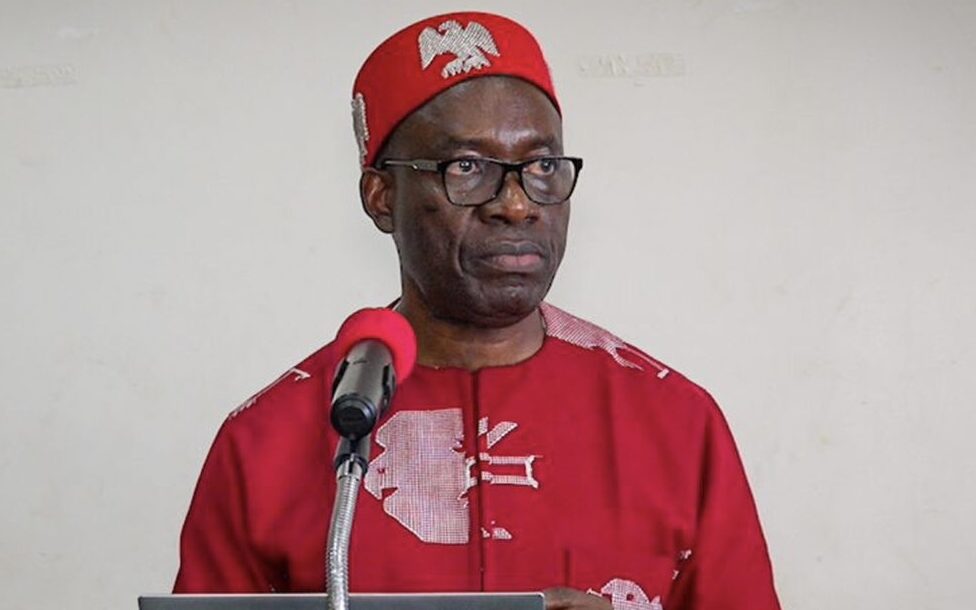
Terry Igiebor, the Chairman of the Edo State Ecological Funding and Management Commission, shared this news with journalists in Benin on Friday.
Igiebor said the commission discovered these 129 ecological sites during a statewide assessment covering 16 local government areas.
He stated, “The Ecological Funding and Management Commission has identified 129 gully erosion sites in the state that require urgent intervention as part of addressing worsening ecological challenges threatening communities across the state.
“The assessment was aimed at identifying communities facing serious environmental challenges and determining the level of intervention required.”
Environmental Issues Identified
Igiebor mentioned several problems being looked into, including gully erosion, blocked drainage channels, deforestation, and roads damaged by environmental factors.
He described the situation in some rural areas as alarming. He pointed out that some residents live very close to deep erosion channels.
Igiebor recalled a sad incident where a 57-year-old man lost his life due to an erosion-related disaster. He also mentioned that some communities had cases of children being swept away by floodwaters.
The chairman promised that the areas identified as emergencies would get help before the next rainy season.
Planning for the Future
He noted that the commission is creating a one-year intervention plan. The ongoing assessment will also help shape the state’s budget for 2027.
Igiebor said the commission is looking for funding from the Federal Government’s Ecological Project Office, the World Bank, the United Nations, and other international partners.
He explained that the law setting up the commission ensures fair distribution of ecological help across the State’s three Senatorial Districts. This is to make sure no area is left out in getting resources.
He highlighted that the commission is especially focused on vulnerable communities. Many of these residents do not have the money or access to government officials to highlight their environmental issues.
Community Responsibility
Igiebor stressed that help should not depend only on how well communities can lobby for attention from the government.
On how to tackle ongoing ecological issues, he said the commission plans to start an environmental education program. This will inform residents about the causes of erosion and other environmental problems.
He blamed careless waste disposal, blocked drainage systems, and poor environmental habits for flooding and other ecological challenges. He insisted that residents need to help the government by taking care of their environment.
The chairman said the commission will release its master plan and schedule to guide communities on what they need to do. He added that fixing the root causes of ecological problems will lower the costs needed for environmental repairs.


Comments
No comments yet.