Enugu State Government Denies Fake Property Tax Claims
The Enugu State Government has denied claims of high property tax rates being circulated. Residents are advised to ignore these fraudulent notices.
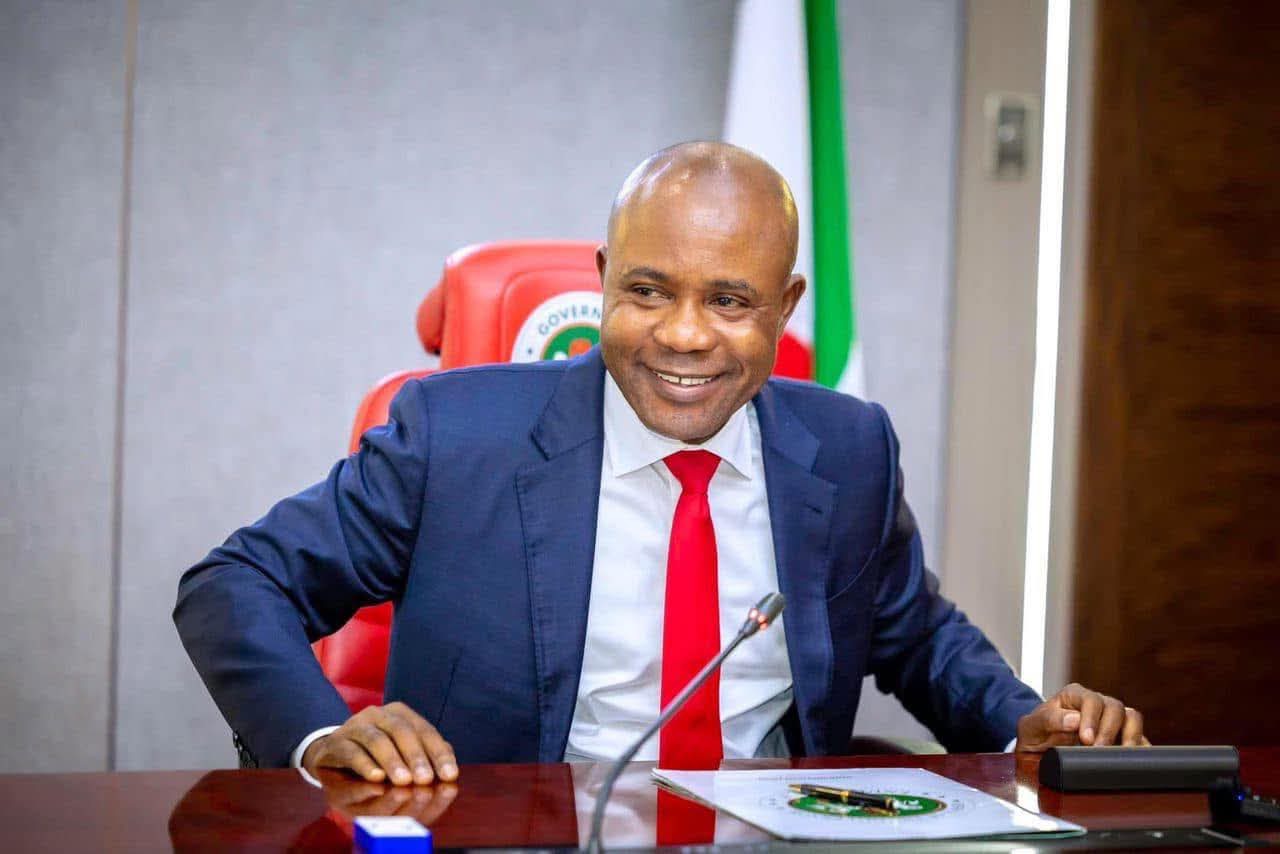
The Enugu State Government has rejected claims about property tax rates ranging from N500,000 to N1.5 million that are being shared in the state. They called these notices fraudulent.
Emmanuel Nnamani, the Chairman of the Enugu State Internal Revenue Service (EIRS), shared this information while speaking to journalists on Wednesday in Enugu.
Mr Nnamani said these fake tax demands could harm the trust between the people and the government. He mentioned that some people opened an account called Digital Revenue Service at Keystone Bank and were sending out false property tax notices to residents in Udenu and Nsukka.
He urged residents to ignore these notices, explaining that the tax rates mentioned were not approved by the state government. He noted that the approved annual land use charge per plot in Udenu Local Government Area is N10,000 for residential property, N25,000 for industrial property, and N50,000 for commercial property.
"Those revenue being circulated and the bogus figures are never from us and can never be from us. We need to let the media know that we all need to fight against this kind of fraud and sentiment against our people," he stated.
Mr Nnamani also dismissed claims and ads about a generator tax, saying no tax law in Nigeria allows for such a tax. He asked radio stations that are airing ads about generator tax to stop immediately and warned residents not to pay the fake levy.

The EIRS chairman condemned the return of roadblocks, especially in the Nsukka area, which are allegedly set up by non-state actors to collect money from drivers and traders. He emphasized that the state government had banned all roadblocks for revenue collection after launching and enforcing a new tax law starting from January 1, 2027.
According to him, the government does not collect revenue through roadblocks or cash payments. Mr Nnamani mentioned that collections from the informal sector are done through electronic tickets.
He explained that the main sources of tax revenue for the state are personal income tax and property tax, while other collections are considered levies. He listed the ways to collect personal income tax as Pay As You Earn, direct assessment, withholding tax, capital gains tax, and presumptive tax.
Regarding the presumptive tax regulation, he said that Nano-businesses like roadside barbers, hairdressers, food vendors, and plantain sellers are exempt from taxation.



Comments
No comments yet.