Federal Government Calls for Quick Cancer Detection to Improve Treatment
The federal government stresses the need for early cancer detection to improve treatment options. Understanding cancer stages is crucial for effective management.
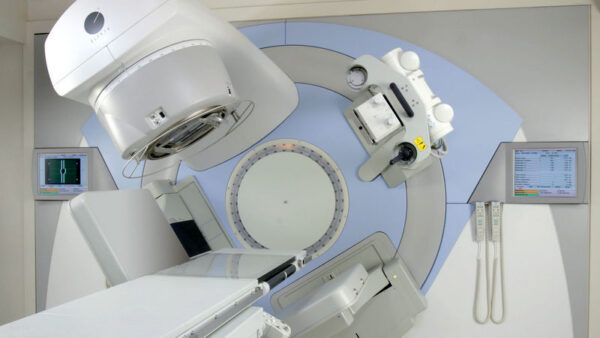
The federal government has highlighted the need for early cancer detection. They say how far cancer has advanced when diagnosed affects treatment options and the chance of recovery.
Uchechukwu Nwokwu, who is the National Coordinator for the National Cancer Control Plan at the Federal Ministry of Health and Social Welfare, shared this during an interview with the News Agency of Nigeria (NAN) on Sunday in Abuja.
Mr Nwokwu also explained that cancer develops in four stages. He noted that cancer is not just one disease. It is a group of diseases that can affect different organs and act differently based on the type of cancer and the cells it comes from.
He stated that cancer starts when abnormal cells grow in a specific organ or system of the body. How far it spreads shows what stage it is in.
He described Stage One cancer as when the disease is still in the area where it started and has not spread.
"When the cancer may arise from a small cell inside the organ of a particular system of the body, and as long as it is within the area it originated, it is an early stage, stage one," he said.
Mr Nwokwu explained that Stage Two happens when cancer has moved beyond its original area but is still within the affected organ.
He said that Stage Three is when the cancer has grown beyond the original organ but remains in the same body system or nearby area.
"For example, if a breast cancer is growing beyond the breast and affects the chest wall, which is hosting the breast, that’s Stage Three," he said.
The coordinator said that Stage Four is the most serious stage. This is when cancer has spread from the original organ to other systems or distant parts of the body.
He mentioned that this spread is called metastasis.
"So when it leaves the whole of where it’s growing, it’s a different system, we call it metastasis. That’s stage four," he said.
He clarified that breast cancer, for instance, could spread to the brain, bones, liver, or lungs. Tests can show that a tumor in those areas came from the breast.
Mr Nwokwu said that Stage Four cancer is especially hard to treat because doctors cannot focus only on the original organ.
"So that means you can see breast cancer affecting some in the brain. You can see a tumor in the brain that’s actually from the breast," he said.
He pointed out that the stage at which cancer is found matters a lot for treatment and the chance of being cured.

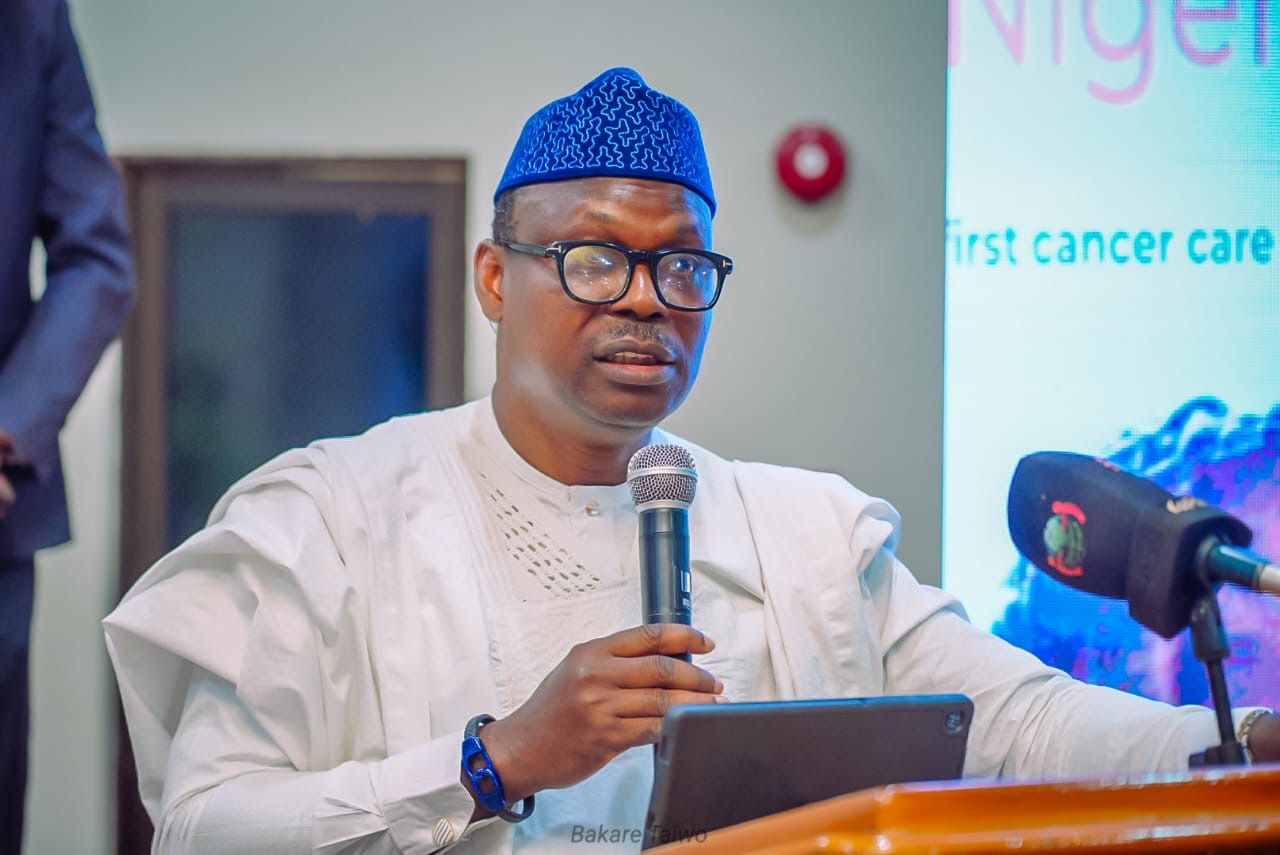
He explained that some Stage One cancers can be cured with surgery alone because they are still in the place where they started.
"If you have somebody who has a breast cancer in stage one, like I said, it’s still within where it started from," he said.
"You might just cut off that place and do a surgery that can just take a small part of the normal tissue where it has not affected, and with that surgery alone, the person is completely cured of that cancer."
According to him, surgery can also work for some Stage Two cancers since the disease is still within the organ.
He mentioned that Stage Two and Stage Three cancers might need a mix of treatments, such as surgery, chemotherapy, and radiotherapy.
Mr Nwokwu explained that doctors can also use neoadjuvant or adjuvant therapy along with surgery, depending on the patient's situation.
He said targeted therapy is another option for cancers caused by certain hormones or biological factors.
He gave prostate cancer as an example, saying some patients might need to have their testes removed to lower testosterone, a hormone that can fuel prostate cancer growth.
But he noted that some advanced prostate cancers can resist this treatment. This condition is known as castration-resistant prostate cancer, which needs different medications to control disease growth.
Mr Nwokwu said treating Stage Four cancer is trickier because it can involve many parts of the body.
He explained that chemotherapy can help in some cases because it can reach cancer cells all over the body.
He added that radiotherapy must be used carefully based on where the cancer has spread and the patient’s overall health.
Mr Nwokwu stressed that the differences in treatment for each stage show how important it is to find cancer early, before it spreads from where it started.
He noted that early detection helps doctors know the stage of the disease and choose the best treatment options.
He urged Nigerians to seek medical help quickly when they notice any unusual symptoms. He also advised following proper screening and diagnostic recommendations to catch cancer early.




Comments
No comments yet.