Gbenga Olawepo-Hashim speaks out on 3.68 million IDPs in Nigeria
Gbenga Olawepo-Hashim highlights the challenges faced by 3.68 million internally displaced persons in Nigeria and urges for more international aid and attention.
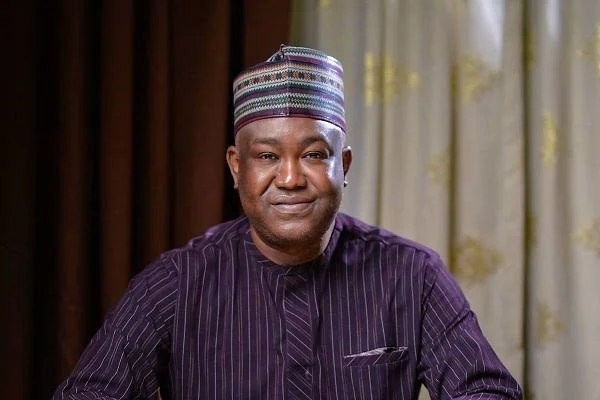
The presidential candidate of the Accord Party, Gbenga Olawepo-Hashim, has raised concerns about 3.68 million internally displaced persons in Nigeria. He is calling for more international support to tackle insecurity, religious persecution, and ethnic discrimination.
Olawepo-Hashim also urged for the release of a Hausa cultural activist named Maisango, who he claims is being held unlawfully.
In a statement from his media office on Sunday, Olawepo-Hashim made these requests during a meeting with the United States Commission on International Religious Freedom on Friday.
He highlighted the recent attacks in Kebbi State, where 11 villages in Shanga Local Government Area were reportedly attacked and burned. He asked the international community to pay attention to the suffering of the affected areas.
Olawepo-Hashim admitted that Christians in Northern Nigeria face persecution. But he pointed out that religious intolerance goes beyond just Christians and Muslims.
He mentioned that Shia Muslims, minority Islamic groups, and some Hausa Muslim communities also face persecution, exclusion, and discrimination.


He said, "Nigeria’s religious freedom crisis goes beyond the conventional Christian-Muslim divide." He argued that ethnic identity and cultural ties also affect how people are accepted or rejected in some areas.
According to figures from the United Nations High Commissioner for Refugees, Nigeria had about 3.68 million internally displaced people as of October 2026.
Olawepo-Hashim stressed that this humanitarian crisis affects people of all religions and ethnic groups. He added that displaced Hausa communities need more attention from the global community.
Regarding the situation in Kebbi State, Olawepo-Hashim pointed out communities like Kalkami, Tungar Bori, and Kawara in Shanga LGA. He said suspected bandits killed residents, burned homes, and forced people to flee during attacks in April 2026.
He described the reports of 11 villages being burned as alarming. He alleged that some armed groups in the region are more focused on killing residents, destroying homes, and taking over land instead of trying to convert people to their faith.



Comments
No comments yet.