Governor Lawal: A Banker Who Chooses Not to Borrow
Governor Dauda Lawal of Zamfara State opts for no loans to fund projects. His banking experience shapes his approach to state finances and development.
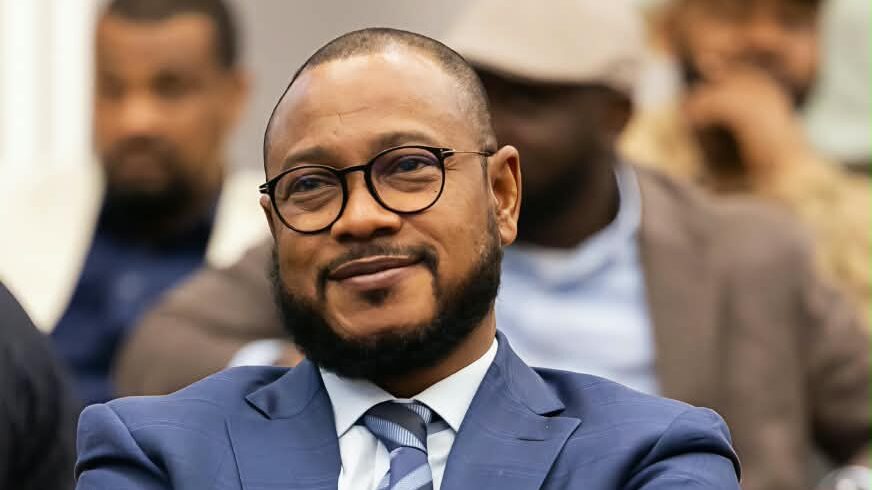
It is a strange twist of fate that Governor Dauda Lawal of Zamfara State spent years in banking, chasing deposits from governments and setting up loans for big projects. Now, as governor, he has decided to grow his state without taking loans from commercial banks. How do his old banking friends see this big change? Has Governor Lawal had a change of heart that makes him turn away from the bank profits he once helped to create? This situation raises questions about the former banker who now leads Zamfara State.
As the Executive Director of Public Sector North at First Bank of Nigeria, Lawal was very familiar with getting government deposits and offering loans. This was his role. He worked closely with state governments and public institutions that often relied on bank loans to fulfill their obligations and carry out major projects. Without gathering deposits and giving out loans, banks would struggle. Yet, since he took office in May 2023, Lawal has refused to take loans for projects. Instead, he wants to maximize revenue and spend wisely without reducing quality.
Take Gusau International Airport as an example. This major project cost around ₦75 billion. Alongside this, the government is building roads, schools, and hospitals. How has Lawal funded such large projects without taking out bank loans? More importantly, what has his banking background taught him about the dangers of public debt and the need for careful spending? While borrowing can be useful, it depends on how much it costs, the government's ability to pay it back, and the returns from those investments. Has Lawal's banking experience shaped how he sees these issues?
This question becomes even more important when looking at all the responsibilities his administration has faced. Since he took office in May 2023, Governor Lawal has had to deal with a large infrastructure gap, improve security, revitalize public services that were ignored, and settle inherited debts like unpaid pensions and salary arrears. Each of these demands needs serious financial commitment and careful prioritization.
In security, Lawal's government has put a lot of money into improving the security forces' ability to tackle terrorists. This includes creating Community Protection Guards. In infrastructure, they are focused on building roads, renewing cities, and developing markets, including 70 kilometers of feeder roads and 40 new markets with about 4,000 shops. In education, the government is trying to fix a system weighed down by old debts, including ₦1.4 billion owed to WAEC from 2018 to 2022.
For healthcare, the administration is not just increasing budgets but is also investing in real projects. This includes upgrading Yariman Bakura Specialist Hospital and fixing primary healthcare centers in all 147 wards. They are also installing solar power in health facilities and hiring more healthcare workers. The budget for these projects has increased from ₦31.92 billion in 2024 to ₦64.12 billion in 2025 and ₦87.46 billion in 2026. Besides healthcare, the Rescue Mission is also focusing on agriculture, economic growth, and empowering women with practical programs to improve lives and local businesses.
Alongside these sector investments, the government has worked to clear old debts, including pension and salary arrears. Settling these debts while also funding new infrastructure and services has put a lot of pressure on the state’s finances. Without careful financial management, the government might have had to rely on loans to pay for ongoing costs, clear old debts, and support new investments without falling behind on other commitments.
What has Governor Lawal learned from many years in banking about the risks of borrowing? As the former Executive Director of Public Sector North at First Bank, he saw how states struggle financially. He witnessed how heavy borrowing can lead to tough loan renegotiations, limited cash flow, and overwhelming repayment pressures. Now, this insider knowledge has greatly influenced his financial plans: a strong commitment to spending within the state’s actual income.
Zamfara State has clearly gained from his professional experience. This shows an important lesson about leadership: elections should not be about political parties alone, but about the skills and ability of candidates to manage public funds wisely. Leading a state takes more than ambition; it requires the financial know-how to make tough choices and the discipline to stick to available funds.
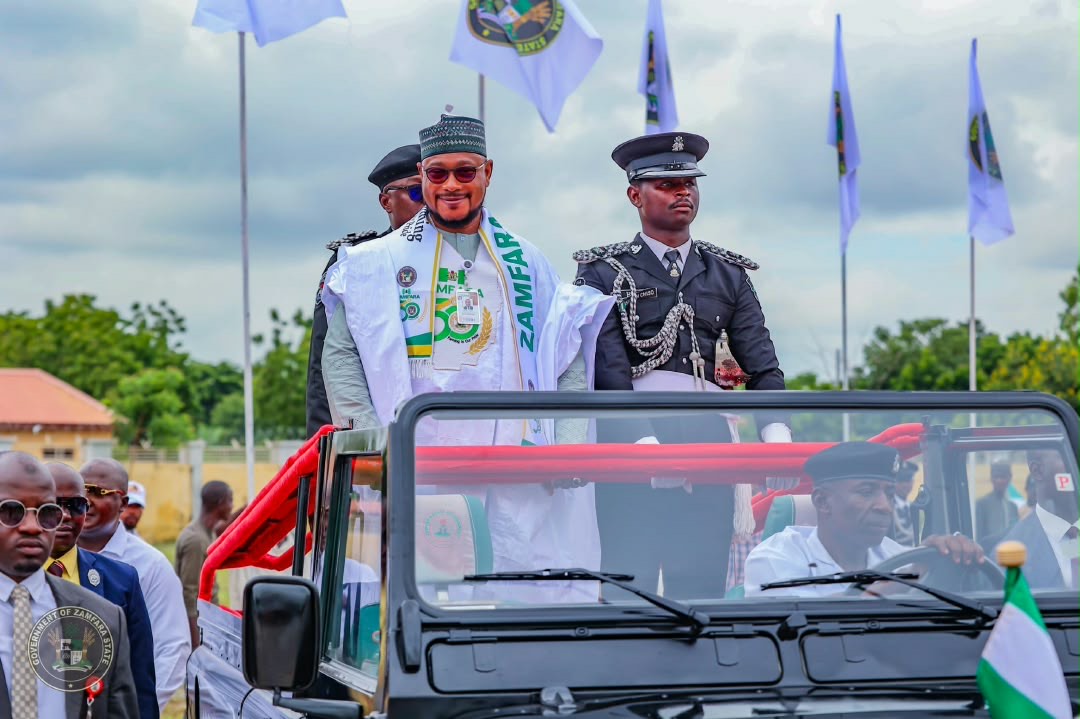
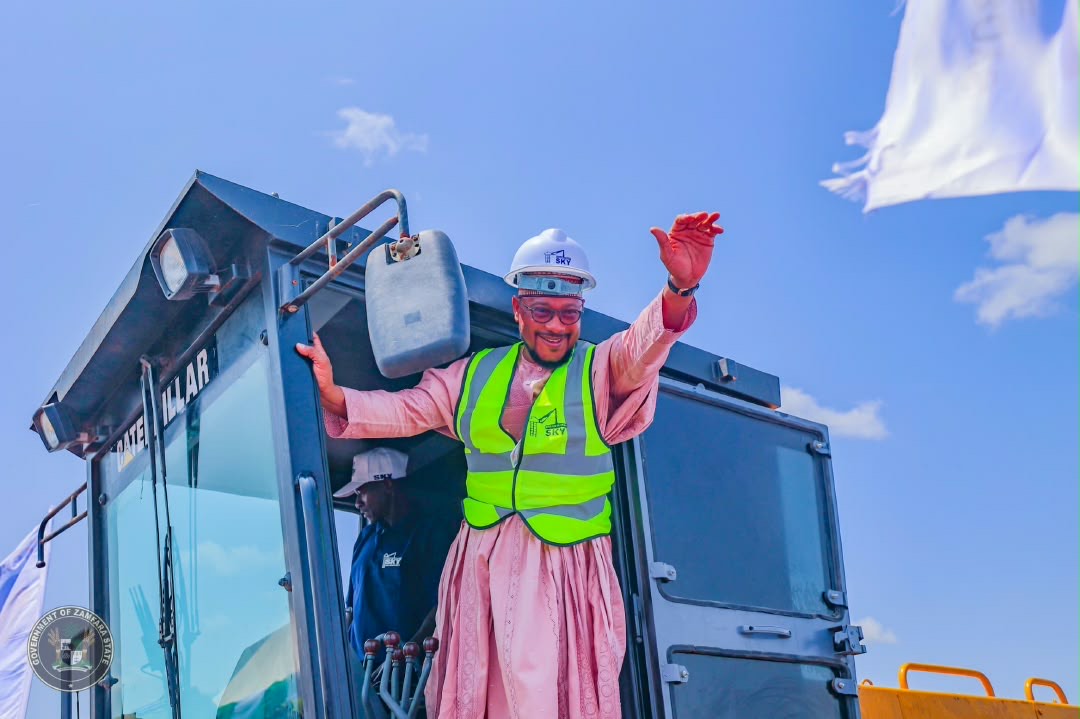
Borrowing is not always a bad thing. When done correctly, loans can boost important economic and social projects. The real test of financial leadership is whether debt is affordable, if repayment is manageable long-term, and if the funded projects yield good results. For a state like Zamfara, which faces serious security issues, infrastructure gaps, and big old debts, the goal is to meet urgent needs without causing financial trouble. Instead of relying on expensive loans from commercial banks, Governor Lawal’s administration has focused on building partnerships with international institutions. By using low-interest funds from organizations like the World Bank for projects like AGILE for education, ACReSAL for agriculture, and RAAMP for rural roads, the state can secure money tied to projects that make a real impact while keeping financial stability.
Good financial management should not just be about avoiding debt completely. It should also be about how wisely a government manages its liabilities. Data from BudgIT’s State of States report shows that Zamfara is reducing its debt. The total public debt fell from ₦136.70 billion at the end of 2023 to ₦104.42 billion by December 2024, a significant 23.6% drop, mainly due to a big reduction in domestic debts.
Additionally, the administration clarified that the recorded ₦14.26 billion in borrowing is not new debt. It is from the N20 billion bond issued by the previous administration for the cargo airport project.
The funding for Governor Lawal’s ambitious projects shows a big change in financial strategy. This is backed by a big increase in Zamfara State’s Internally Generated Revenue (IGR). According to BudgIT data, IGR rose by about 240%, jumping from ₦6.51 billion in 2022 to ₦22.16 billion in 2023, mainly due to personal income tax collections which doubled to ₦12.18 billion. This growth helped the state move up in national IGR rankings from 36th to 26th and increased total revenue from ₦87.68 billion to ₦144.95 billion in the same time. The IGR continued to grow to about ₦25.46 billion in 2024.
Even though Zamfara State's revenue is improving, Governor Lawal is determined to reduce the state's heavy reliance on the Federation Account. His plan goes beyond just cutting back on spending. It includes attracting private investments in agriculture, manufacturing, and solid minerals, supported by strategic risk-sharing from development institutions. A key part of this plan was announced in July 2026 with a $200 million project for lithium mining and processing in Zurmi. This project aims to create local jobs and keep value within the state instead of exporting raw materials. This investment could help diversify the economy and widen the tax base.
Governor Dauda Lawal’s financial strategy presents a strong model for governance in Nigeria. The best way to assess his time in office is to see that Zamfara State has made real progress in collecting revenue, reducing debt, and executing projects. Importantly, his approach is not just about refusing to borrow. It is about a commitment to becoming self-sufficient through disciplined spending, strategic financing, and investments that bring good returns.
The experienced banker has successfully combined financial discipline with leadership. While he knows that money has its costs, as a forward-thinking governor, he shows that government spending can lead to real results. Infrastructure can drive economic growth, and essential services can expand without putting future generations under heavy debt.
Comments
No comments yet.