COP17: New $60 Million Pledged for Global Biodiversity Fund
The UN announced $60 million in pledges to the Global Biodiversity Framework Fund at COP17 in Armenia, aimed at boosting conservation efforts worldwide.
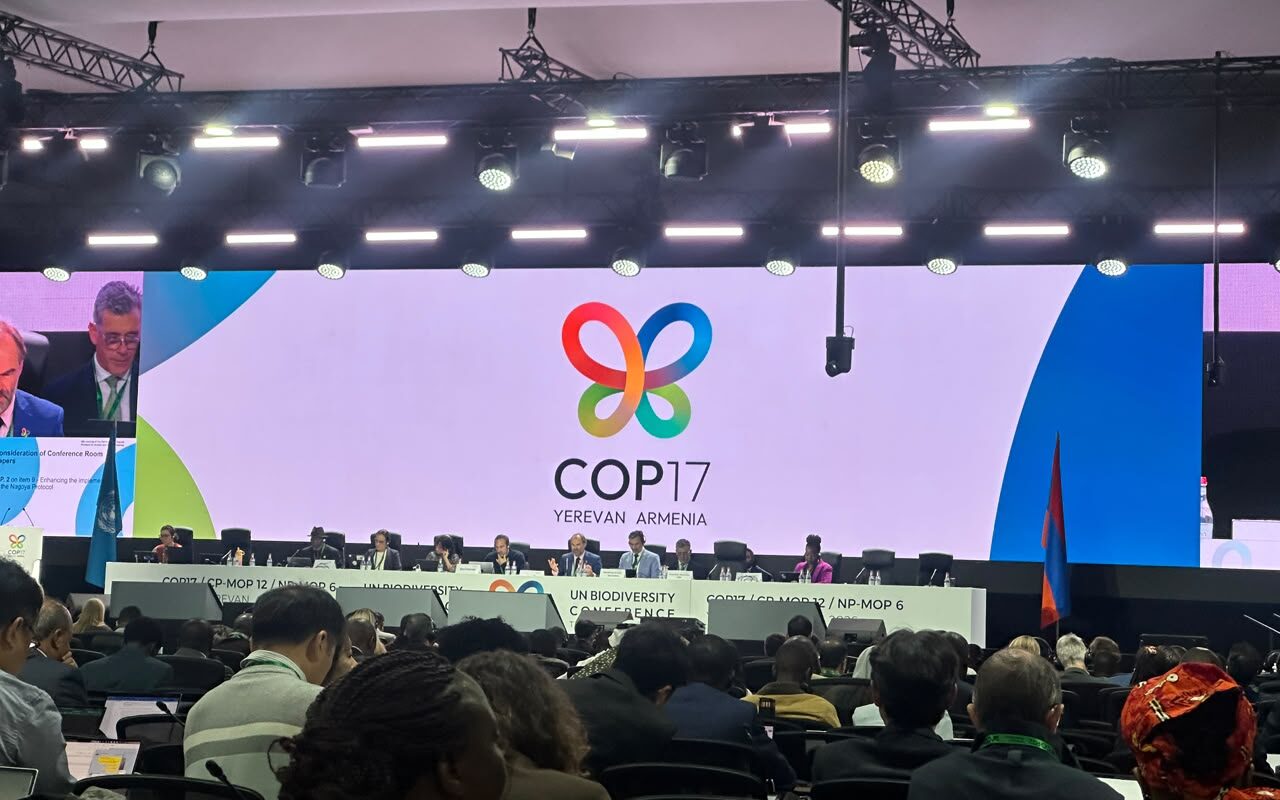
The United Nations Convention on Biological Diversity has announced that national and local governments have promised $60 million to the Global Biodiversity Framework Fund (GBFF). This fund aims to boost biodiversity conservation and restoration efforts around the world.
The pledges were revealed during a finance session at the ongoing COP17 in Yerevan, Armenia, on Monday.
The UN mentioned that these new commitments will assist countries and communities focused on conserving and restoring wildlife and ecosystems. They also aim to ensure long-term sustainability for these efforts.
During the same session, Spain and Uzbekistan pledged €50 million and $4.5 million, respectively, to the ninth replenishment of the Global Environment Facility Trust Fund (GEF-9).
The United Kingdom reaffirmed its £330 million contribution, pushing the total pledges for GEF-9 to nearly $4.4 billion for the funding period from July 2026 to June 2030.
Officials from Armenia, which is hosting COP17, joined representatives from Germany, Iceland, and Monaco. They were also joined by officials from the Canadian province of Québec and the city of Berlin to announce these new contributions.
The session included representatives from developing countries benefiting from the fund, Indigenous Peoples, and local communities. It also featured partners from implementing agencies, philanthropic organizations, and the private sector.
Diego Mesa Puyo, CEO and Chairperson of the Global Environment Facility (GEF), spoke at the event. He said the pledges show a commitment to turning biodiversity goals into real actions.
"Today’s pledges send a powerful signal: our partnership is ready to move from ambition to action for nature," Mr. Mesa Puyo said.
He added that the contributions will help blend environmental actions with development needs. This will attract more funding and private investments, speeding up conservation projects.
Astrid Schomaker, Executive Secretary of the Convention on Biological Diversity, called the GBFF an important way to gather resources for the Kunming-Montreal Global Biodiversity Framework.
She noted that the new pledges, which include multi-year commitments and the first contribution from a city, reflect increasing support for biodiversity financing.
"These new pledges, including multiannual commitments and the fund’s first contribution from a city, are encouraging signs of growing support for biodiversity finance," Ms. Schomaker said.
She also mentioned that the contributions indicate that efforts to protect nature are gaining momentum.
COP17 President and Armenia’s Environment Minister, Hambardzum Matevosyan, commented on the financial commitments. He said they show how multilateral cooperation can help advance biodiversity conservation.
He revealed that Armenia has started internal discussions on possibly contributing to global biodiversity efforts.
Since launching in August 2023, the GBFF has received $446 million from 14 sovereign governments and two local governments.
In just three years, the fund has allocated $362.1 million for 82 projects in 87 countries. This includes 47 Small Island Developing States and Least Developed Countries.

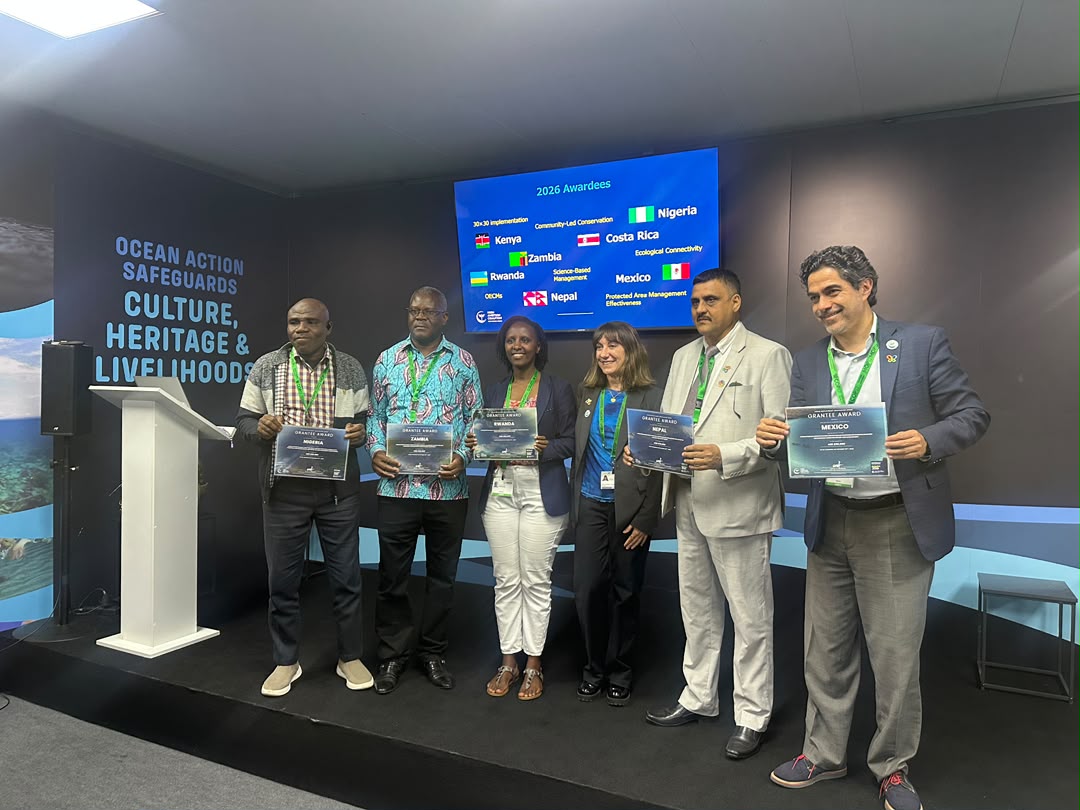
The fund aims to help countries improve biodiversity management, policies, governance, and resource mobilization. It also promotes financing methods that attract private investment into conservation work.
According to the fund’s figures, 32 percent of its resources support actions by Indigenous Peoples and local communities. Another 39 percent goes to Small Island Developing States and Least Developed Countries. About 30 percent has been channeled through international financial institutions.
These allocations exceed the fund’s targets for supporting Indigenous Peoples, vulnerable countries, and international financial institutions.
The GBFF was created at the request of parties to the Convention on Biological Diversity. It aims to speed up the implementation of the Kunming-Montreal Global Biodiversity Framework.
This framework sets global goals for stopping and reversing biodiversity loss. It includes conserving at least 30 percent of the world's land and inland waters, as well as marine and coastal areas, by 2030.
The fund has simplified procedures and expanded governance to better support developing countries. It can accept contributions from public, private, and philanthropic sources.
The UN stated that new pledges to GEF-9 have brought total commitments close to $4.4 billion for the 2026-2030 period.
Spain’s €50 million pledge is a 60 percent increase from its previous contribution to GEF-8.
Maria Rodriguez de Sancho, Spain’s Director-General for Biodiversity, Forests and Desertification, said this commitment shows the country’s support for global efforts to stop and reverse biodiversity loss.
Uzbekistan’s $4.5 million pledge marks its first time as a GEF donor.
Aziz Abdukhakimov, an adviser to Uzbekistan’s president on environmental matters, said the country wants to help protect nature and create opportunities for communities.
Germany also plans to add another €50 million to the GBFF by the end of 2026.
Carsten Schneider, Germany’s Federal Minister for the Environment, urged other governments, private-sector organizations, and non-profits to contribute to the fund. He noted that the fund is already making a difference by helping vulnerable countries and involving Indigenous Peoples and scientists.
The GEF, which funds six major environmental conventions, approved $4.64 billion for 649 projects across 144 countries during the GEF-8 period from July 2022 to June 2026.
These projects support the Kunming-Montreal Global Biodiversity Framework and address issues like environmental degradation, climate change, and pollution.
New pledges come as delegates at COP17 continue to discuss how to finance and implement the global biodiversity framework. Countries are under pressure to turn agreed conservation targets into real actions before 2030.





Comments
No comments yet.