Every day in Nigeria, millions of people send money to family and friends, pay for groceries, buy airtime, pay electricity bills, or receive payments for their businesses. These transactions happen in just a few seconds. People click a button, get a notification, and continue with their day. What many do not see is the technology that makes all these moments possible.
Every successful transfer, payment to a merchant, withdrawal, and bill payment relies on a network of systems that work all the time. This hidden technology processes transactions, safeguards customer data, detects fraud, keeps services running, and ensures money gets to the right place. This unseen engine is changing how Nigerians manage their finances.
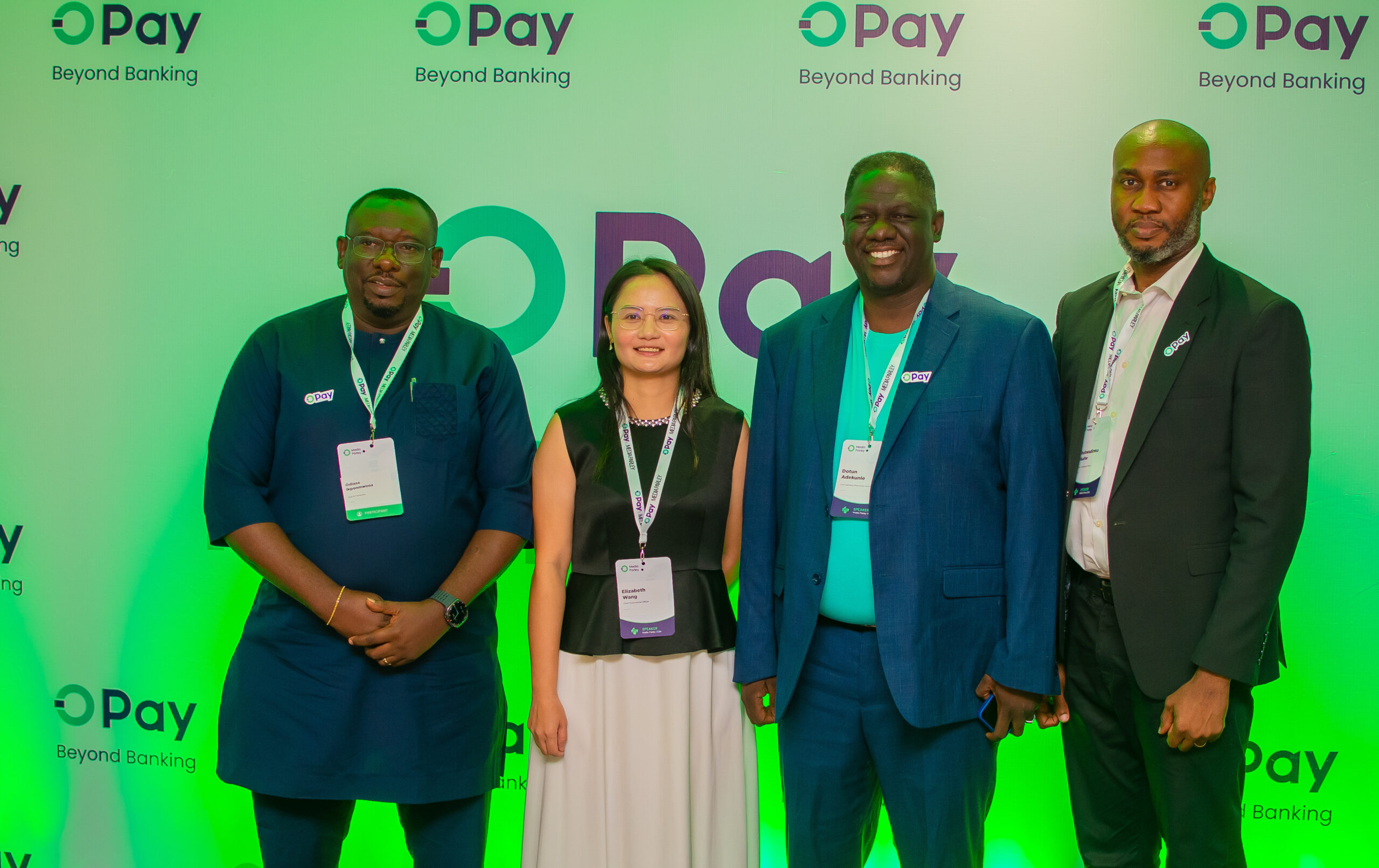
This was the main topic during the OPay Media Parley that took place on Thursday, 16 July 2026. Media leaders and industry experts discussed the technology behind one of Nigeria’s largest digital financial platforms with OPay’s team. Instead of just talking about products, the company shared how years of investment in engineering have created a payment system trusted by millions of Nigerians.
At the event, Elizabeth Wang, Chief Commercial Officer of OPay, shared that the company’s vision goes beyond creating another payment app. She said OPay was founded to make financial services more inclusive through technology and to build a trusted platform that adds real value to society. She mentioned that the company aims to serve one billion users, support ten million merchants, and create one million jobs by making digital financial services safer, easier, and more accessible for everyone.
Wang stated that every transaction is a promise between a customer and the platform.
"People may only see a successful transfer or payment notification, but behind that moment are years of investment in technology, infrastructure, and innovation. Our goal is to make digital finance so dependable that customers can move money confidently without ever needing to think about the technology making it possible," she explained.
Building Trust with Every Transaction
The biggest change in digital finance is not just a new feature. It's reliability. Not long ago, digital transfers often failed, payment alerts were late, and many customers preferred cash because it felt safer. Changing this situation needed more than just a new mobile app.
During the media event, Dotun Adekunle, Chief Operating Officer and Chief Technology Officer of OPay, explained that the company’s approach starts with fixing real customer issues instead of making technology for the sake of it.
"We don’t begin with technology. We begin with the customer’s experience. Every failed transfer, delayed alert, or security concern is treated as an engineering challenge. While others accept these problems as normal, our teams work until the problem disappears from the customer’s experience," he said.
This way of thinking has influenced how OPay builds its payment system. The platform uses multiple layers of backup instead of just one technology pathway. Important systems are supported by backup infrastructure, direct connections to payment partners, and automatic rerouting when something goes wrong. Customers don’t notice any of this because the technology is made to be invisible.
Today, 99.9 percent of transactions succeed, making digital payments reliable enough for millions of Nigerians to choose them as their main option.
Making Transactions Quick
Reliability is important, but speed matters too. Few things are more annoying than finishing a payment and waiting minutes for confirmation at the checkout.
To fix this, OPay revamped its transaction processing systems from start to finish. They use direct connections and improved processing paths to cut down on busy shared networks. The result is an average transaction time of less than 1 second, so both the sender and receiver get confirmation almost right away.
As Adekunle pointed out, customers don't care about complicated technology. They just want to be sure their money arrives safely.
"Our job is to make technology almost invisible. Customers should never have to think about servers, networks, or system architecture. They should know that when they press ‘Send’, their money gets there quickly, securely, and reliably," he said.
Protection Without Slowing Things Down
As digital payments grow, security is just as essential as speed. Customers want to know their money is safe, even if their phone is stolen or if fraudsters try to break in.
Instead of adding extra checks for every transaction, OPay invested in smart, risk-based security that only kicks in when something unusual happens. Facial verification is used in high-risk situations, like unusual locations or large transactions, while everyday transactions stay simple.
The company also set up an in-house Security Centre with Emergency Lock, Safety PIN, Night Guard, Large Transaction Shield, and AI-powered Anti-Scam Shield. These tools help customers respond quickly to threats while allowing engineers to improve security as fraud patterns change.
According to Adekunle, good cybersecurity should work quietly in the background.
"The best security is the one customers rarely notice because it only appears when risk changes. We designed our platform to protect customers without interrupting the speed and convenience they expect every day," he said.
An Always-On Infrastructure
While customers finish transactions in seconds, countless technology processes are running behind the scenes. Every transaction goes through a complex system supported by thousands of APIs, numerous backup processing paths, local processing capabilities, and monitoring systems that work 24/7.
Hundreds of engineers keep an eye on server clusters, transaction queues, and application interfaces. Artificial intelligence helps with fraud detection, risk management, and efficiency. Software updates happen without downtime, ensuring services stay available while improvements are made. This creates a system where millions of financial decisions are processed every day with great consistency.
Technology Making a Difference
For OPay, the hidden engine supporting digital finance also helps a bigger cause. Beyond handling payments, the company is working to expand financial inclusion by offering safer and more efficient services for individuals, merchants, and businesses. They are also investing in education, youth development, and innovation through programs like the ₦1.2 billion 10-year scholarship initiative, now called the OPayScholars Programme, which includes the National Innovation Challenge to prepare young Nigerians for the growing digital economy.
Wang believes these efforts show that technology should ultimately make life better.
"We believe the true value of technology is measured not only by business success but by the positive impact it creates for society. Every innovation should make financial services more inclusive, build trust, and create chances for more people to join Nigeria’s digital economy," she said.
As Nigeria’s digital economy keeps growing, the future of financial services will rely more on technology that customers do not see. Not technology meant to impress, but technology meant to reassure. Technology that keeps systems running, stops fraud before it happens, protects customer data, processes millions of transactions daily, and lets people send money with confidence.




Drop your comment
No comments yet — be the first to drop the gist 👇