How OPay is Bringing Financial Services Closer to Nigerians
OPay is transforming financial services in Nigeria, helping people manage money easily. Digital finance is making transactions faster and more accessible.

From drivers getting paid on their phones to small businesses serving customers without only using cash, digital finance is changing how Nigerians handle money. OPay is part of this shift. New data shows progress in financial inclusion and the need to make access more useful.
For a commercial driver, getting paid quickly can mean having enough cash to buy fuel and keep working. For a market trader, a digital transfer can help pay a supplier without leaving the shop. For a family, sending money to a loved one can take seconds instead of a long trip. These daily moments show what financial inclusion should mean: giving people practical ways to receive, send, and manage money, no matter their income or where they live.
Nigeria is moving forward. The 2026 Access to Financial Services in Nigeria survey by Enhancing Financial Innovation and Access (EFInA) found that 79% of adults, about 94.2 million people, used a financial product or service. Formal financial inclusion reached 73%, up from 64% in 2023, while financial exclusion fell from 26% to 21%. Digital financial services reached 64.4% of adults, compared to 45% in 2023.
But access alone does not guarantee financial security. EFInA found that three in four Nigerian adults are not financially healthy. Only 10% of adults can access formal credit, while insurance reaches just 5%. These gaps show why the next stage of inclusion must help people do more than just open accounts or make payments. It should help them manage risks, build savings, and support their livelihoods.
OPay, which started in Nigeria in 2018, is helping bring everyday financial services closer to consumers and businesses through mobile payments, transfers, bill payments, savings, debit cards, and merchant services. Its model allows customers to carry out many transactions without going to a bank branch.
The value is especially clear for people who earn and spend money daily. OPay's technology works on a range of phones, including basic devices, and under unstable network conditions. According to company reports, more than 99% of transactions started on its app were completed successfully on the first attempt in the first half of 2026. Reliable service matters when a failed payment could delay a purchase or interrupt a day’s earnings.
Small businesses are another key part of this story. OPay reported over one million merchants and businesses on its network as of June 2026. Digital payments give shops, food sellers, and other businesses another way to collect payments. Eligible merchants providing financial services can earn commissions. Easier payment collection can save time, support daily trade, and help business owners serve more customers.
OPay also creates local jobs. The company has said that 99% of its workforce in Nigeria is Nigerian. Its operations need people in customer support, technology, compliance, sales, and other roles. Its merchant and agent network also creates more income opportunities. These are important contributions.
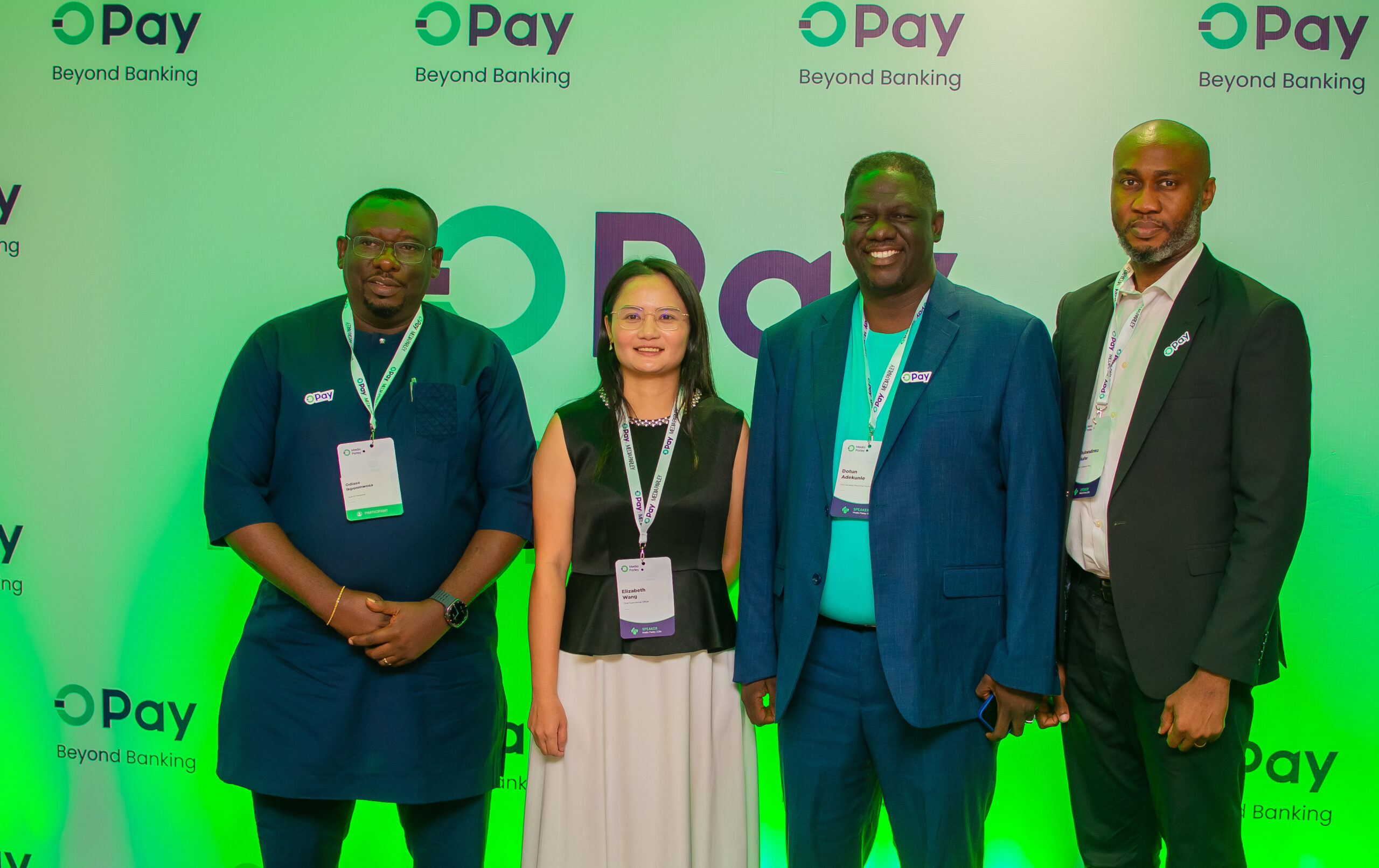
Good customer service is key to keeping these benefits. A customer with a delayed transfer needs clear information. A trader facing a payment problem needs practical help. A first-time user may need guidance on how to protect an account. Listening, giving timely updates, and resolving complaints can turn a tough experience into a chance to earn trust.
Policy has a role to play too. The Central Bank of Nigeria's new ATM guidelines require card issuers to deploy at least one ATM for every 7,500 payment cards issued, with full compliance due by 2028. Improving access to cash is important, especially for people and communities that still depend on it. But card numbers alone may not show how people now access financial services.
As more Nigerians use mobile payments and nearby merchants, it is worth thinking about how ATM access targets can work alongside digital channels. Cash and digital payments will continue to meet different needs. Financial inclusion policy should make both work safely and efficiently.
Other gaps need attention too. CBN policy already recognizes the need to simplify customer identity checks, strengthen agent networks, and promote digital financial services. The challenge is to keep these measures practical for low-income customers, rural communities, and small businesses while also preventing fraud.
At the launch of Payments System Vision 2028, the CBN set a goal of a secure, inclusive, and innovative payment system, with collaboration and interoperability as guiding principles. EFInA's CEO, Foyinsolami Akinjayeju, has also called for providers and policymakers to measure progress by what financial access enables people to achieve, not just by the number of accounts opened.
For OPay, the chance has been to keep turning technology into practical value: reliable payments, stronger merchant relationships, local jobs, and easier access to financial services. The true test of inclusion is not how many people can open an account, but how many can use financial services to earn, save, trade, and handle unexpected costs.
When a driver can receive payment, a shop can keep trading, and a family can send money when it matters, financial inclusion becomes real. That is the impact digital finance must continue to deliver: one customer, one business, and one transaction at a time.




Comments
No comments yet.