INEC Shares Updates on 2027 Elections and Candidate List Issues
INEC has completed nine tasks for the 2027 elections and is addressing complaints about the candidate list. Youth engagement highlights the importance of the voters' register.
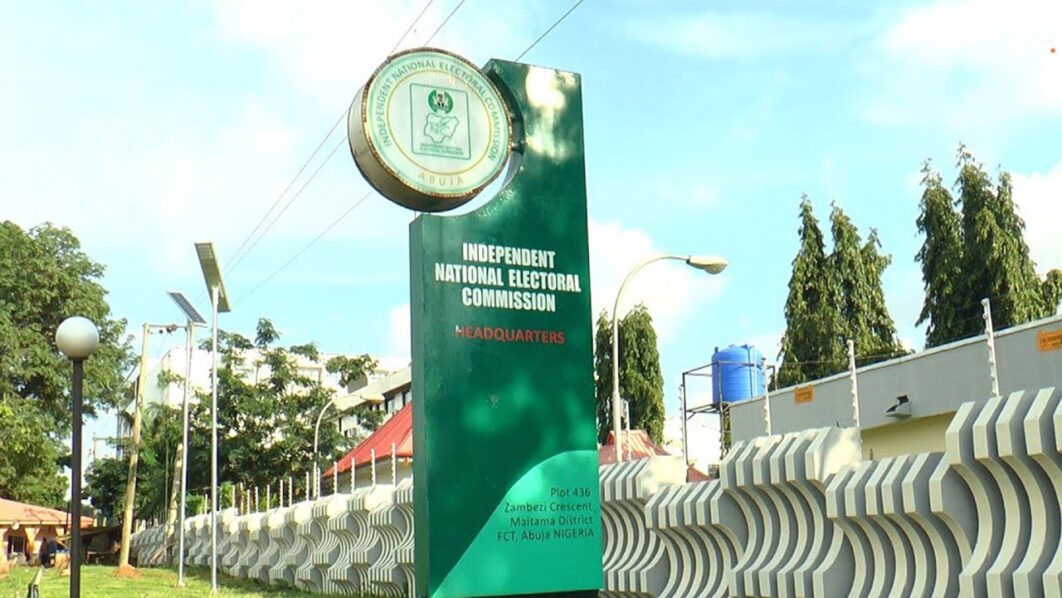
The Independent National Electoral Commission (INEC) has announced that it has completed nine out of the 14 tasks in its schedule for the 2027 general elections. This comes as preparations for the elections are picking up speed.
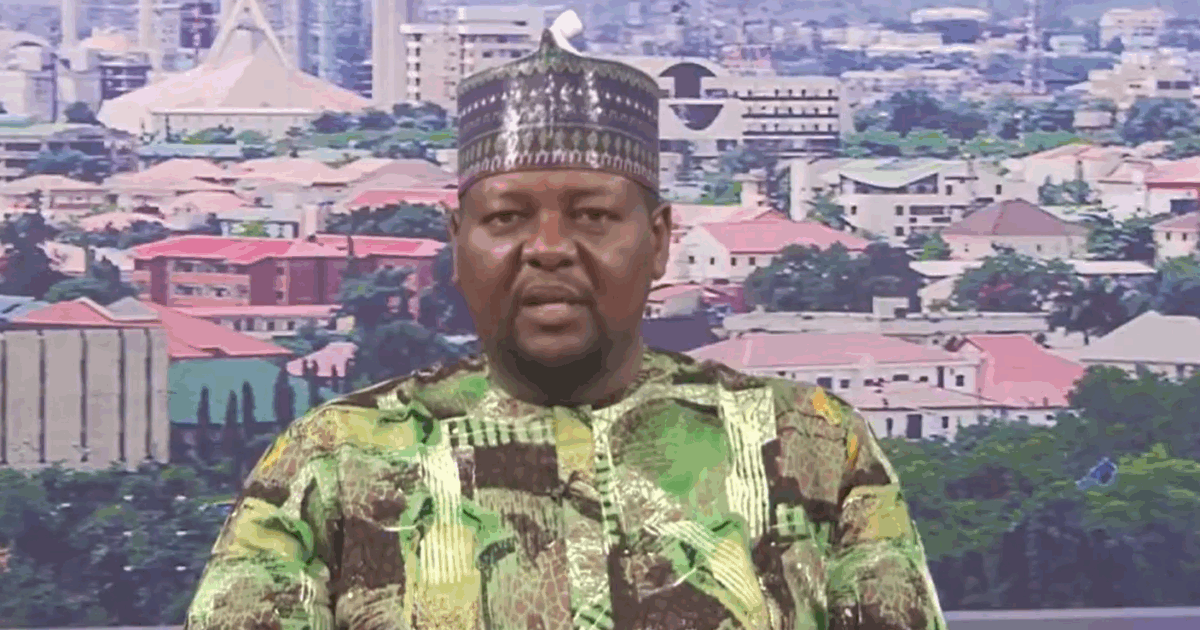
The announcement was made on Wednesday during a youth engagement program in Abuja. Mohammed Haruna, the National Commissioner for Information and Voter Education, represented the INEC Chairman, Joash Amupitan, at the event.
This event, called “The Electorate: A Youth Dialogue with INEC,” was organized in partnership with Yiaga Africa, Enough is Enough Nigeria, and the Nigeria Youth Futures Fund (NYFF). The theme was “Let’s Talk About the 2027 Elections.”
Mr Haruna said the commission has made significant progress with its electoral schedule. This includes political party primaries, publishing the voters’ register, and releasing the final list of candidates for the elections.
He highlighted the voters’ register as a crucial part of the electoral process. It will help identify eligible voters for accreditation on election day.
He mentioned that the publication of candidates nominated by political parties is also one of the completed tasks.
However, he admitted that the initial list faced complaints from some political parties. They raised issues about missing names and errors in the published list.
According to him, INEC has invited these parties to submit their complaints and is working to address them before finalizing the candidates’ list.
Mr Haruna mentioned that the commission has increased the frequency of its meetings as the elections approach. This is to assess their readiness and make the necessary decisions for a smooth election.
He also explained that INEC has a structure of “a chairman and 12 national commissioners responsible for policy decisions.”
He added that there are resident electoral commissioners across the 36 states and the Federal Capital Territory.
The national commissioners are nominated by the president. They are then reviewed by the Council of State and confirmed by the Senate.
During the event, Yetunde Bakari, Yiaga Africa’s Programme Manager for Governance, emphasized that there should be steps to ensure young Nigerians can participate safely and meaningfully in the 2027 elections.
Ms Bakari stated that young people should not just be seen as voters but also as candidates, community mobilizers, and active participants in Nigeria’s democratic future.
She referred to a Yiaga Africa survey which found that 84 percent of respondents are likely or very likely to vote in the 2027 elections. But she noted that 61 percent of those surveyed worry that electoral violence might stop them from voting.
Additionally, only 40 percent of young respondents said they were very likely to take part in the elections. She called this a worrying number that electoral stakeholders need to address.
“Encouraging young people to vote will not be enough if we do not create conditions that make their participation safe, accessible and worthwhile,” she said.
Ms Bakari praised INEC for starting preparations early. She mentioned efforts like online voter registration, printable Permanent Voter Cards (PVCs), planned nationwide mock accreditation exercises, and steps to improve the governance of electoral technology and artificial intelligence.
However, she stressed that INEC’s preparation must be clear to the public. She argued that public trust will depend on transparency, good communication, and the credibility of the electoral process.
She urged the commission to keep voters informed about any technical or operational issues. She also called for transparency in the use of AI and better arrangements for eligible voters in hard-to-reach areas.
Ms Bakari encouraged young Nigerians to seek reliable information, reject electoral violence and misinformation, and continue to hold their elected officials accountable even after the elections.

Comments
No comments yet.