Keyamo tells airlines and unions to sort out TSC debt payments
Festus Keyamo has directed aviation agencies to work with airlines on payment plans for unpaid TSC charges following disruptions caused by unions.
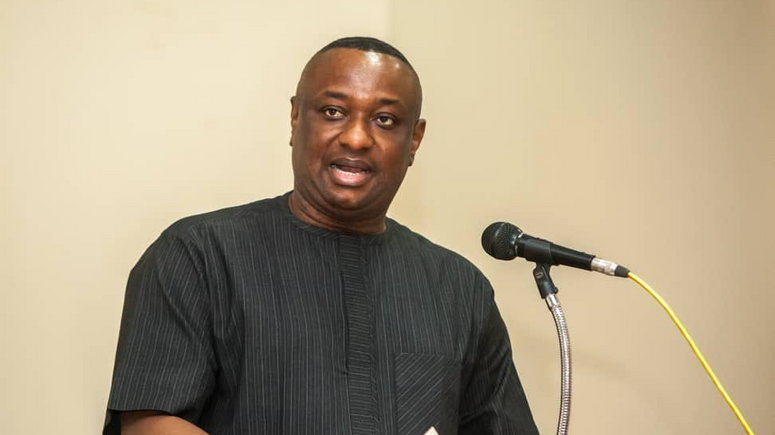
Festus Keyamo, the Minister of Aviation, has instructed the Nigeria Civil Aviation Authority (NCAA) and other aviation agencies to collaborate with airlines on payment plans for unpaid statutory charges. This directive came after aviation unions disrupted flight operations on Tuesday.
Keyamo made this announcement on Thursday during an emergency meeting with airline operators, aviation unions, and heads of aviation agencies. The goal was to resolve the dispute that caused the industrial action at various airports.
The meeting decided that the agencies should get payment schedules from airlines. These schedules should consider the airlines’ operating costs and the current economic situation.
This decision follows two days after aviation unions protested against Air Peace operations in Lagos and Abuja. This protest disrupted flights and left many passengers stranded.
The unions accused airlines of not paying the five per cent Ticket Sales Charge (TSC) that they collected from passengers. They also claimed that some airlines were stopping workers from joining trade unions.
After several hours, the unions temporarily paused the industrial action. This allowed airlines to resume operations and start clearing the backlog of passengers affected by cancelled flights.
Agencies and airlines to agree on payment plans
The statement from the meeting said that the NCAA and heads of other aviation agencies are to get payment schedules from airlines. These schedules will cover the outstanding payments.
The repayment plans are to be spread over a reasonable period. This will take into account the costs of airline operations and the current economic climate.
The Directors of Finance and Accounts from the aviation agencies are expected to meet with the affected airlines individually. They need to agree on realistic repayment plans within one week.
This resolution aims to tackle the main issues in the dispute between aviation unions and airline operators.
The unions claimed that airlines have been holding back statutory charges collected from passengers. They argue that these funds are necessary to support aviation agencies and improve workers’ conditions.
But airline operators stated that they have been engaging with the NCAA about their obligations. They said they are following the directives from the regulator regarding repayments.
Air Peace, which was at the centre of the Tuesday picketing, denied claims that it owed ₦25 billion in statutory dues. The airline said it has been following NCAA directives on the five per cent TSC.
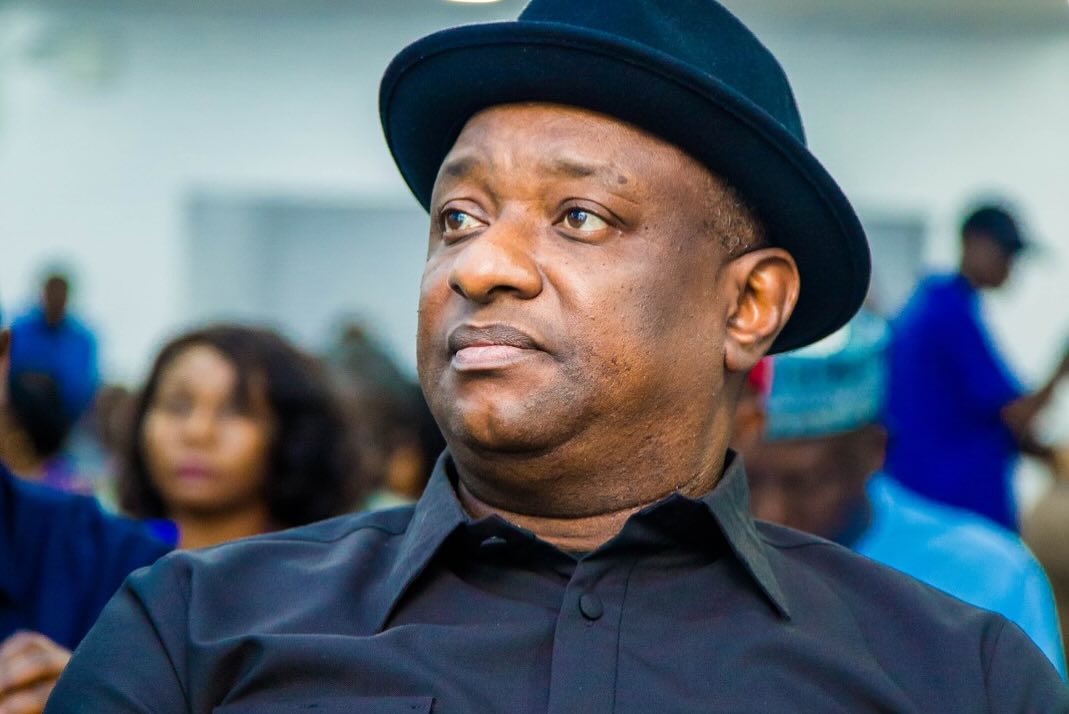
The meeting also addressed the issue of workers’ rights to join unions.
Keyamo acknowledged that workers have the right to join unions or decide not to join. However, he emphasized that this choice should be made by the workers directly, not by airline management.
As part of the resolution, the NCAA will ensure that aviation unions can directly reach workers in all airlines to distribute union forms. Workers will then indicate if they want to join.
The ministry stated that any airline blocking unions from directly contacting their workers will face penalties from the NCAA.
This resolution aims to solve a major concern raised by the unions. They have alleged that some airline workers faced obstacles in joining trade unions and feared punishment for wanting to join.
Air Peace, on its part, insisted that its staff freely chose not to join unions and that the airline did not stop them from exercising their rights. The airline also reported that some of its employees faced physical attacks during Tuesday’s protests after resisting pressure to join unions.
Review
The stakeholders agreed to meet again in one month to review the progress on the resolutions and check on the state of the dispute.
The ministry said that the five resolutions made at the meeting reflected the collective decisions of all parties involved. This agreement gives airlines and aviation unions a chance to sort out the outstanding issues without causing further flight disruptions.
Tuesday’s industrial action impacted scheduled flights and left many passengers stranded at airports in Lagos and Abuja until the unions paused their action.
Air Peace reported heavy losses from the disruption, estimating the financial impact at over ₦2 billion. United Nigeria Airlines said more than 30 of its flights were affected.
This disruption also highlighted the broader effects of industrial disputes in aviation, where blockades at airport terminals can quickly disrupt passenger travel, connecting flights, and airline schedules nationwide.
Keyamo reassured stakeholders of the government’s commitment to ensuring a safe and effective aviation industry.


Comments
No comments yet.