Makinde explains his bid against Tinubu for 2027 Presidency
Oyo State Governor Seyi Makinde reveals why he is running against President Tinubu in the 2027 election, focusing on Nigeria's future and opportunities for its citizens.
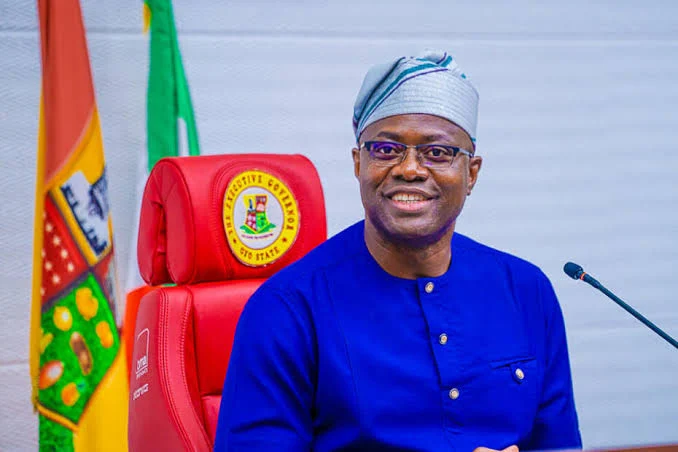
Oyo State Governor, Seyi Makinde, has shared why he stopped supporting President Bola Tinubu and chose to run against him in the 2027 presidential election. He said he no longer thinks the government is leading Nigeria in the right way.
Makinde, who backed Tinubu in the 2023 presidential election, stated that his decision to challenge the President is not due to personal issues or a desire to be in Aso Rock. Instead, it stems from worries about Nigeria’s future and the opportunities for its people.
He made this clear in a detailed statement on his campaign platform, Reset Nigeria, on Thursday. There, he talked about his political path, his views on Tinubu’s government, and his vision for Nigeria.
Initially, he supported Tinubu because he believed the President could unite Nigerians and create a competent government that would tackle the country’s economic problems. But after three years of Tinubu’s administration, he feels differently.
“I supported President Tinubu because I believed he could bring people together to build a government of national unity and competence. I believed his administration would confront our economic challenges while creating opportunities for Nigerians to build better lives.
“Three years later, I no longer believe his administration is taking us in that direction,” he said.
Makinde shared his personal background that drives his political ambition. He grew up in a lower-middle-class family. His father was a teacher who later became an accountant, while his mother worked as a telephone operator in the civil service. While his family was not rich, he remembers a Nigeria where families believed that education and hard work could lead to better lives.
He attended Bishop Phillips Academy in Ibadan and then went to the University of Lagos to study Electrical Engineering. Later, he specialized in industrial measurement and safety systems and founded Makon Engineering and Technical Services at 29.
“ I did not achieve this because I came from a wealthy or politically connected family. I had an education, acquired useful skills, found opportunities and worked to make the most of them.
“Nigeria gave me the opportunity to live my dreams. And that is what troubles me about the Nigeria we have today,” he said.
The governor raised concerns about whether young Nigerians can still expect the same opportunities, especially in education, skills development, jobs, and starting businesses. He wants to help create a country where hard work and determination can lead to better living conditions.
Why I entered politics
Makinde said he first tried to help society through philanthropy. He supported education, families, and community projects. But he soon realized that financial help could only assist a few people, while millions of Nigerians needed similar chances.
This realization pushed him to go into politics and seek public office. He recalled running for the Senate twice and for governor between 2007 and 2015 but lost those elections. He stayed committed and eventually won the Oyo State governorship in 2019.
“I entered office without a political godfather. I have often said that I had no godfather, only God the Father,” he said.
Makinde said his time in government allowed him to turn his ideas into policies and he is proud of what his administration achieved in Oyo State over seven years. He stated that government can indeed make a difference by creating opportunities and building institutions.
But he admitted that running a government is different from managing a business. He acknowledged making mistakes and said he accepted them when necessary. These experiences strengthened his belief that Nigeria can work for its citizens.
Why I cannot wait until 2031
Makinde explained that his decision to run in 2027 instead of waiting until 2031 or 2035 is based on worries about Nigeria’s economic direction and the future of younger generations. He is particularly concerned about young Nigerians with qualifications and skills who cannot find meaningful work.
He also noted businesses struggling with high electricity and transport costs, and parents worried that their kids might not have better lives. Many Nigerians feel let down by the government and doubt their votes can bring change.
“I understand that disappointment.
“We have heard promises before. We have seen governments come and go. We have been told repeatedly that things will get better.
“Yet too many Nigerians are still struggling to survive.
“But I refuse to believe that this is all Nigeria can become,” he said.
Makinde stressed that decisions made at the federal level could affect the progress made by state governments. He warned that another four years of the current path could worsen the country’s economic issues.
“I am concerned that if we get the next four years wrong, the damage to our economy, our institutions and the prospects of another generation could become much harder to reverse.
“That is why I cannot wait. And it is why I believe we must change direction in 2027,” he said.
Why I lost confidence in Tinubu
Makinde pointed out four key issues he has with the Tinubu administration. These include economic stability without real development, what he calls governance by excuses, the focus on political power over national unity, and economic reforms without proper protection for Nigerians.
On the economy, he acknowledged some improvements in macroeconomic indicators. But he insisted that government revenue and external reserves do not mean much to ordinary citizens unless they lead to productive jobs and better lives.
He criticized the government for relying on inherited issues to explain its performance.
“Every government inherits problems, but it is elected to solve them. Over three years into this administration, we are still hearing explanations about inherited poverty, insecurity, electricity problems and other challenges, when Nigerians should be seeing more measurable progress towards resolving them,” he said.
Regarding national unity, Makinde initially thought Tinubu’s political skills could help unite capable Nigerians for a common goal. However, he now believes the President’s alliances focus more on his political goals than the nation’s needs.
He also raised concerns about weakening opposition parties, which he sees as vital for democracy. On economic reforms, he supports the need for changes to the petrol subsidy and foreign exchange systems but insists that policies should come with adequate preparations for their effects.
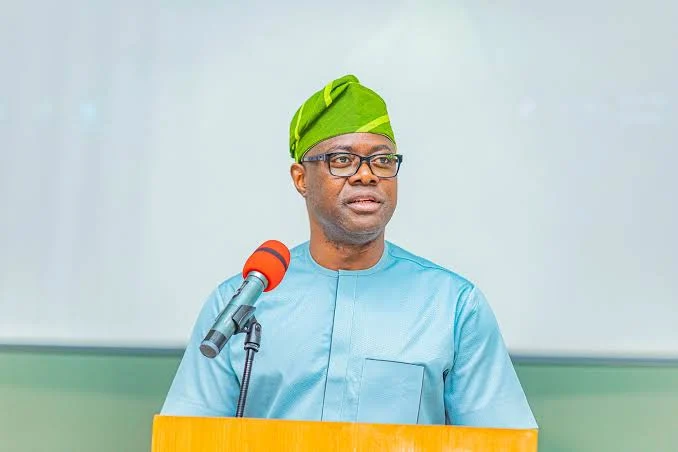
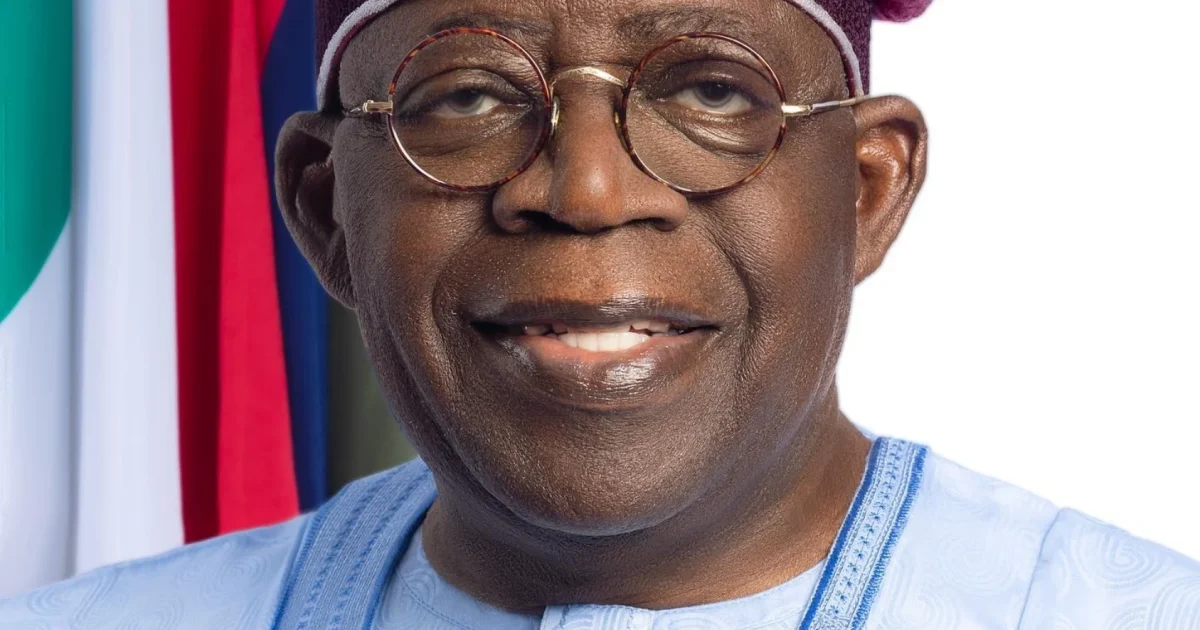
He argued that many struggling Nigerians were exposed to more hardship without enough measures to protect them.
“These are not simply political disagreements.
“They reflect a fundamental difference in how I believe government should work and whose interests should come first,” he said.
What I would have done differently
Using the removal of the petrol subsidy as an example, Makinde said he would have used the presidential transition period to prepare for the policy and put measures in place to cushion its impact on Nigerians.
He noted that Tinubu understood the likely consequences of a sudden subsidy removal. He recalled how the President criticized former President Goodluck Jonathan’s attempt to remove the subsidy back in 2012.
Makinde added that Tinubu saw the petrol and naira scarcity crises before the 2023 elections and spoke publicly about their effects on Nigerians. He said that once in office, he would have called a meeting of the National Economic Council to agree on a coordinated response with state governors.
This meeting would have helped identify what actions were needed to protect Nigerians, how to fund them, and how different levels of government would work together. He said this process would include transparency, so Nigerians could see spending, beneficiaries, and results.
The governor shared that his administration in Oyo State quickly responded to the economic issues caused by the subsidy removal. They consulted with organized labor and introduced measures to reduce transportation costs right after the policy was announced.
“Within eleven days, we had announced the deployment of additional Omituntun buses, maintained existing fares and introduced half-price travel for students and senior citizens.
“We did not wait until we had a comprehensive programme before taking action,” he said.
He noted that Oyo State later launched the Sustainable Actions for Economic Recovery programme, known as SAfER, in August 2023. This program provided food relief to 200,000 vulnerable households, subsidized public transport, and supported small businesses and farmers with loans and agricultural inputs.
“Our approach was simple: provide immediate relief while developing measures to help people earn a living,” he said.
He argued that good leadership involves more than making sound economic choices. Governments must understand how their policies affect the people they serve.
“Nigerians deserved better preparation and better protection.
“And that is the difference in our approach to governance,” he added.
Makinde unveils Reset Nigeria Agenda
The governor acknowledged that many Nigerians have lost faith in the government and electoral processes but urged them not to give up on the country. He believes Nigeria has produced generations of people who achieved great things because they had opportunities.
Makinde said he benefited from such opportunities and believes Nigeria can offer the same chances to millions of others. He does not claim to have all the answers but insists that anyone who wants to lead Nigerians must be ready to explain their plans clearly.
His campaign created the Reset Nigeria Agenda to outline needed changes, proposed actions, and measurable results Nigerians should expect.
He encouraged Nigerians to look into his record in Oyo State, check his proposals, and question their assumptions. He invited citizens to send in questions and suggestions, saying that rebuilding Nigeria should start with listening to the people.
“I am not asking you to trust me blindly.
“I am asking you to examine what I am proposing and decide whether it offers a credible path towards the Nigeria we all deserve,” he said.
Makinde promised to serve only one four-year term if elected President. He said he would lead a transitional government of national unity focused on measurable progress.
“I have committed to serving one four-year term as President, leading a transitional government of national unity focused on measurable progress.
“I believe four years is enough to demonstrate that a different approach to governance can produce different results. And I believe we must begin now,” he said.
He urged disillusioned Nigerians to participate in the 2027 election, saying it would be another chance to shape the country’s future.
“Because the Nigeria that gave me the opportunity to live my dreams should not become a country where our children can no longer dream.
“Please, do not give up on Nigeria.
“Let us give our country another chance.
“Let us Reset Nigeria and build a country that works for every Nigerian.
“That is why I am running for President,” he said.

Comments
No comments yet.