NEC approves 90-day plan to help Nigerians with living costs
The National Economic Council has introduced a 90-day economic action plan to address the cost of living crisis in Nigeria, targeting food prices and investments.
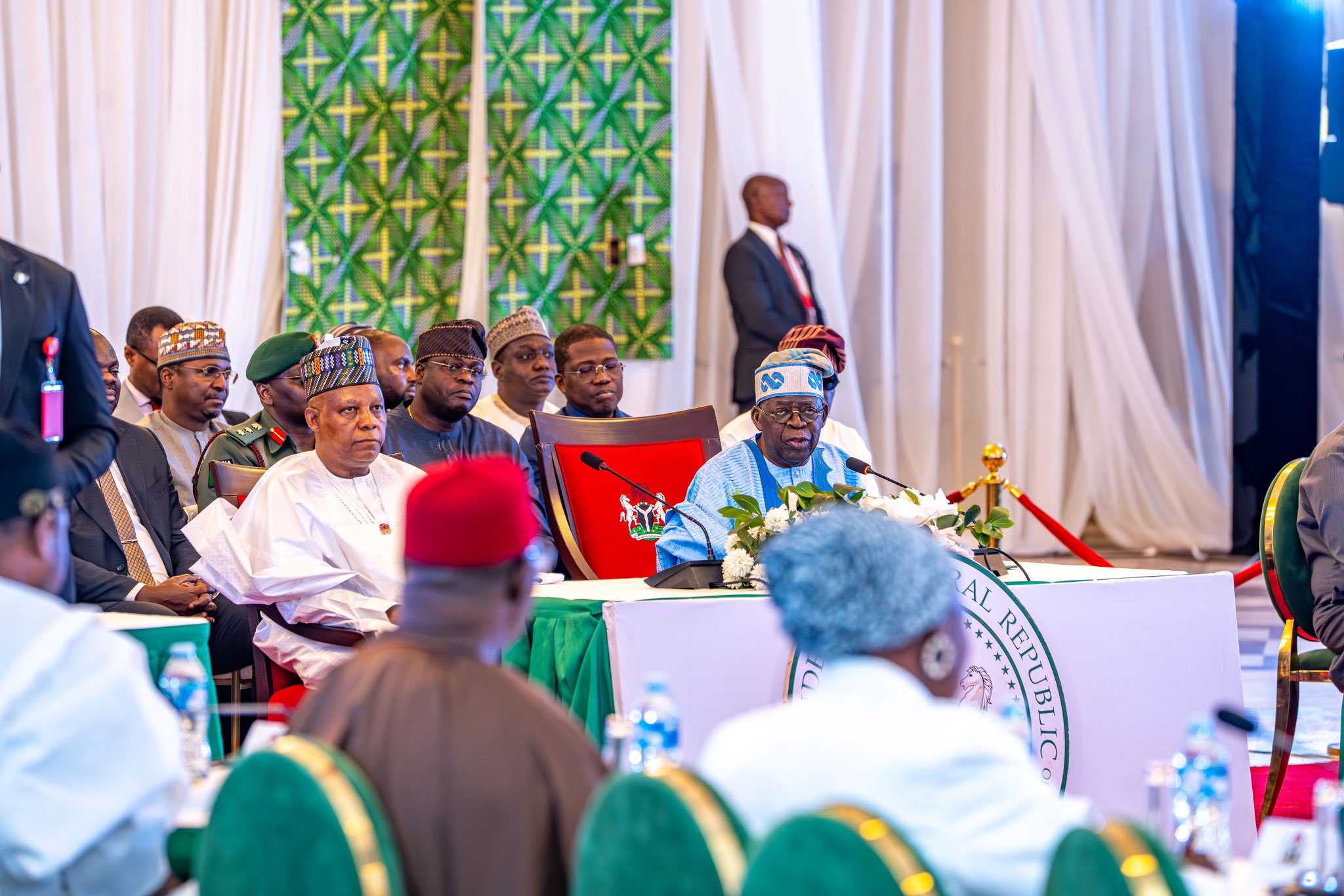
The National Economic Council (NEC) has backed a new plan called a "90-day economic action plan". This plan aims to help ease the cost of living issues caused by government actions and worsened by international conflicts.
The plan was revealed by Vice President Kashim Shettima's spokesperson, Stanley Nkwocha, in a statement on Thursday.
The statement did not provide specific details of the plan but mentioned that it will focus on reducing living costs, making food more affordable, attracting investments, and speeding up projects that directly benefit Nigerians.
Nkwocha added that the "90-day action plan identifies five priority areas: food affordability, tax harmonisation, completion of high-impact projects, resolution of investment bottlenecks and regulated household support."
Since President Bola Tinubu took office, many Nigerians have faced the worst cost-of-living crisis in a generation. This was mainly due to government policies like the removal of petrol subsidies and the deregulation of the foreign exchange market. The ongoing wars between the US/Israel and Iran, plus the Russia-Ukraine war, have made the situation worse.
The government insists that these policies are necessary to prevent a financial collapse. They believe Nigerians will eventually see positive results from these policies.
While these policies have improved Nigeria's overall economy, with an increase in external reserves and foreign investments, the reality is that most of Nigeria's 200 million people are still struggling with higher food prices since Tinubu became president.
The 90-day plan was presented by Taiwo Oyedele, the Minister of Finance and Coordinating Minister of the Economy, during the NEC’s 161st meeting, which was held virtually and led by Vice President Kashim Shettima on Thursday.
Nkwocha noted that the NEC also discussed Nigeria's readiness in light of a recent Ebola virus case detected in Abuja, alongside efforts to eliminate all types of polio from the country.
NEC has approved the 90-day economic action plan proposed by the Federal Ministry of Finance. This plan aims to build on the benefits of President Bola Tinubu’s economic reforms.
It will focus on reducing living costs, improving food prices, attracting investments, and speeding up projects that will benefit Nigerians directly.
The council's approval came after a presentation by Oyedele during its meeting. The meeting was chaired by Vice President Kashim Shettima and was held online.
Shettima stated that while Tinubu’s economic reform program aims for national prosperity, all levels of government must work to improve living conditions for Nigerians.
The 90-day action plan highlights five main areas: food affordability, tax harmonisation, completing high-impact projects, resolving investment issues, and providing regulated household support.
NEC also agreed to create a national dashboard. This dashboard will track ongoing projects across Nigeria, focusing on transparency. It aims to ensure proper reporting on how funds from the removal of the fuel subsidy are used.
In presenting the economic outlook, Oyedele expressed hope about the progress made under Tinubu’s administration and how the economy can recover further.
He pointed out that reducing inflation and interest rates to single digits by 2027 is a key goal. He mentioned that the next phase of reforms would need cooperation across federal and state levels.

Oyedele’s presentation stressed the need to turn economic improvements into real benefits for families and businesses through targeted help, better financial coordination and removing barriers to investment.
Addressing council members, Vice President Shettima urged state governors and government institutions to ensure that the benefits of economic reforms translate into affordable transport, better healthcare, job opportunities, and financial security for Nigerians.
He emphasized that the success of economic policies should be judged by their effects on people's daily lives. The government’s duty goes beyond making announcements to building systems that help Nigerians plan for their futures.
"The first sign of prosperity should be the confidence to plan a life. Our task is to make such confidence less dependent on luck," he said.
He noted that discussions on transportation, healthcare, police reform, and livestock development are vital for the quality of life Nigerians expect from economic growth.
"Our different roles must serve the public interest," Shettima said, highlighting that Nigeria's federal system should promote cooperation, not act as a barrier to essential services.
On the National Compressed Natural Gas (CNG) Bus Initiative, the vice president stressed the need for state governments to back affordable transport systems that lighten the financial load on commuters.
He insisted that the success of this program should be measured by how affordable and accessible it is, not just by how many buses are in use.
"The cost of getting to work should never eat up your earnings. The experience of passengers must guide our goals because public transport is about the journeys it enables. We should measure success by affordability and access, not just fleet size," he said.
Shettima reiterated that Tinubu’s economic reform program aims for national prosperity, and all governments must work to turn this vision into better living conditions.
"President Bola Ahmed Tinubu has made economic reform a tool for greater national goals. Our role must add social depth and productive strength to that ambition," he stressed.
He called on governors to bring their local understanding into national policies, emphasizing that effective implementation needs clear responsibilities and agreements among government levels.
"Our different roles should not become excuses for inaction. Each governor has insights that no federal document can provide," he said.
The vice president challenged council members to evaluate every policy by its ability to reduce uncertainty, create opportunities, and build public trust in the government.
"Nigerians deserve institutions they can depend on to shape their lives. Providing that assurance is one of the most important uses of public authority. That is the assurance we owe them," the vice president concluded.



Comments
No comments yet.