Nigeria and Eight Other African Nations Report 67 Yellow Fever Cases and 18 Deaths
Nigeria and eight other African countries have reported 67 yellow fever cases and 18 deaths from January to October 2026, the World Health Organisation (WHO) said.
The countries affected are Burkina Faso, Cameroon, the Central African Republic, Côte d’Ivoire, Ghana, Guinea, Liberia, Nigeria, and Togo.
In a Disease Outbreak News report published on 6 November 2026, the WHO stated that yellow fever transmission is ongoing in its African region, especially in parts of West Africa near international borders.
During this period, Nigeria confirmed four cases, with one death, while Cameroon reported nine cases and one death.
Côte d’Ivoire had the highest number of confirmed cases, recording 30 infections and 10 deaths. Burkina Faso followed with 15 cases and three deaths.
Ghana had four cases and three deaths. Liberia confirmed one case. The Central African Republic had two cases, while Guinea and Togo each reported one case. No deaths were noted in the last three countries.
The WHO said these numbers reflect the latest data available as of 12 October 2026. This indicates rising transmission across parts of West Africa.
Factors Driving Transmission
The WHO listed several reasons for the spread of yellow fever. These include frequent movement across borders, uneven vaccination coverage, and conditions that help mosquitoes thrive.
“Occupational and environmental exposures, including work in or near forested areas, mining activities, and other outdoor occupations, are important risk factors for yellow fever infection,” the WHO pointed out.
“Frequent cross-border population movement, the presence of competent mosquito vectors, and uneven vaccination coverage increase the risk of further transmission and geographic spread.”
According to the WHO, trade, farming, livestock, and mining across borders could help the virus spread among affected and nearby countries.
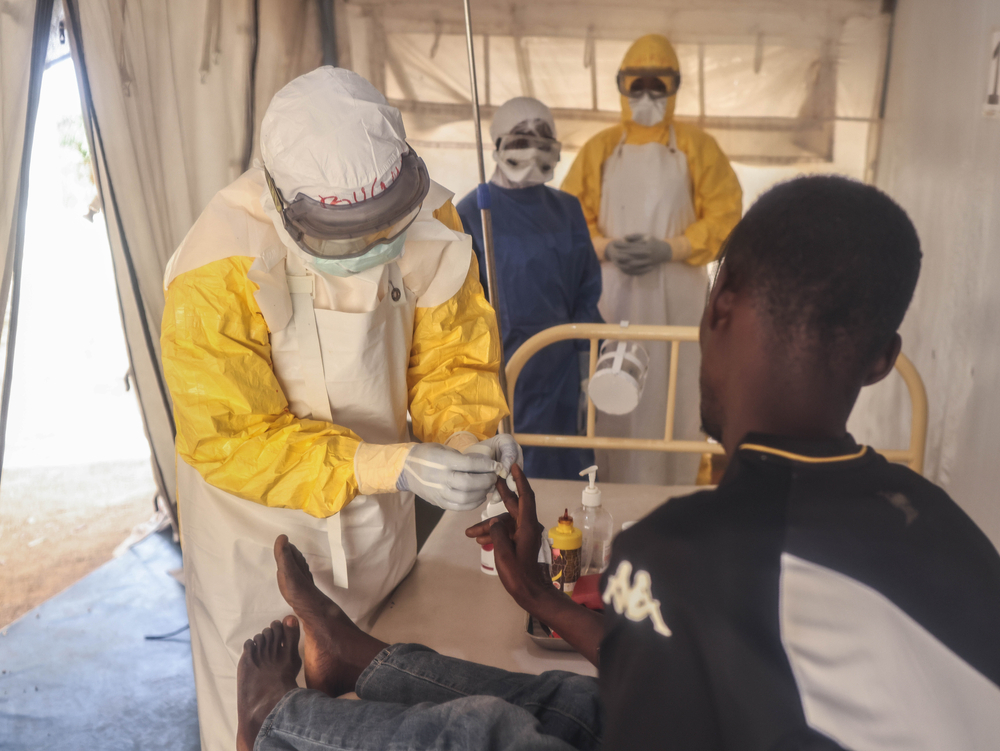
The WHO mentioned that affected nations, with help from the organization and partners, are improving disease tracking, investigating cases, doing lab tests, and stepping up efforts to find infections.
They are also engaging communities, sharing information about risks, and boosting vaccination in affected and high-risk areas.
Regional Risk
On 27 October, the WHO assessed the public health risk from the yellow fever situation as moderate across the African region, while the global risk remains low.
The WHO said continued transmission and more cases in the region are likely due to gaps in immunity, issues with disease tracking and lab testing, insecurity, limited resources, and difficulties in reaching some affected areas.
The organization warned that if the virus enters crowded urban areas with low vaccination rates, it could lead to bigger outbreaks and put more pressure on public health systems.
“Unvaccinated populations are at highest risk, particularly rural and forest-edge communities, mobile and cross-border populations, and people working in forested areas, agriculture, or mining,” it added.
Vaccination Remains Key
Yellow fever is a viral disease spread by infected mosquitoes. It can cause fever, headaches, body aches, nausea, vomiting, and weakness.
The WHO noted that about 15 percent of infected people can become severely ill, which may include high fever, jaundice, bleeding, shock, and organ failure.
“Approximately half of patients who enter this severe phase die within seven to 10 days,” it stated.
No specific antiviral treatment is usually given, and care is mostly supportive. Vaccination is the best way to prevent the disease, as one dose can provide lifelong protection.
The WHO urged countries at risk to keep vaccination rates high through regular immunization and campaigns, especially in areas with known immunity gaps.
It also called for better disease tracking, quick lab tests, mosquito control, and public awareness of symptoms and prevention.
The organization advised international travelers aged nine months and above to get vaccinated before visiting areas where yellow fever spreads.
Comments
No comments yet.