Refugees from Congo Face Struggles Amid War and Borders Closing
Refugees from Congo are facing significant hardships due to ongoing conflict and closed borders. Many are fleeing to neighboring countries for safety.
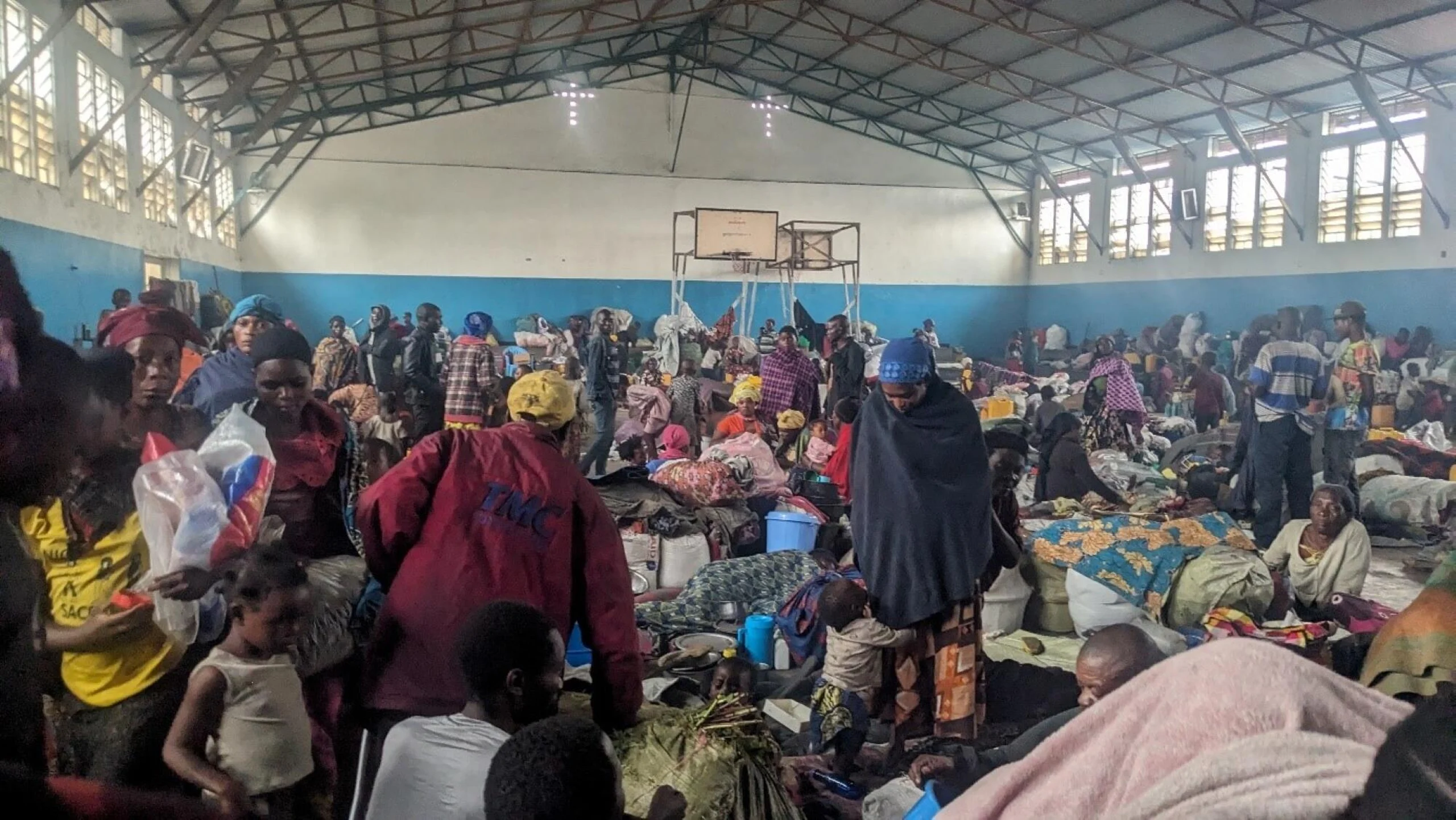
In 2026, the governments of Rwanda and the Democratic Republic of the Congo (DRC) reaffirmed their commitment to the safe and dignified return of refugees between the two countries. This follows agreements made in the 2025 Washington peace accords and the provisional agreement between the DRC government and the Alliance Fleuve Congo (AFC)/M23, which is now called the Front pour la Refondation de la Nation (FRN)/M23, under the Doha Process.
Past peace deals have not provided lasting solutions for refugees. They also do not reflect what is happening on the ground. Ongoing insecurity, new displacements, and worsening conditions in host countries have made life harder for refugees.
The war in eastern DRC has turned a long-standing refugee situation into a regional emergency. This crisis worsened after M23 took control of Goma and Bukavu in early 2025. In June 2026, the Office of the United Nations High Commissioner for Refugees (UNHCR) counted 1.25 million Congolese refugees and asylum seekers. About 80 percent of these refugees are in neighboring countries. More than 245,000 new arrivals were registered between January 2025 and April 2026.
Burundi has been hit hard, with around 142,000 new arrivals, including some returning Burundians. Many came in after M23 captured Bukavu in February 2025 and Uvira in December 2025. This situation has put pressure on an already strained reception system. Uganda hosts 53 percent of the Congolese refugee population and saw over 236,000 arrivals between 2022 and 2025. This is in addition to 139,500 South Sudanese refugees since 2022.
Cuts in international funding have severely affected humanitarian efforts. In February, the UNHCR reported that only 20 percent of the $35 million needed for lifesaving assistance in Burundi had been received. In January, the International Rescue Committee warned that Uganda’s refugee health response had only secured 6 percent of the funding needed for 2026. This has led to cuts in health services for over one million refugees.
These tough conditions affect returns. After the Burundi-DRC border reopened in February 2026, following M23’s retreat from Uvira, 33,000 Congolese refugees returned to the DRC within a month, even with the fragile situation in South Kivu. Continued fighting and rebel control make it hard for refugees to return home safely.
The UNHCR has a non-return advisory for South and North Kivu. Facilitated returns to areas controlled by M23 are not possible. Over 80 percent of Congolese refugees in Rwanda have said they want to return to the DRC, but they are waiting for better conditions. M23 promotes spontaneous returns to areas it controls, claiming these are ‘post-conflict’ zones. But its actions threaten the rights of refugees and displaced people.
When M23 took Goma, they dismantled camps for internally displaced persons, forcing many civilians to leave. M23 has been linked to widespread violence against civilians, including Rwandan refugees. Many are targeted due to suspected ties to the Forces démocratiques de libération du Rwanda (FDLR) or Wazalendo, which are community-based militias fighting against M23. Some Rwandan refugees have been forcibly sent back to Rwanda, including through interference with UNHCR screening.
M23’s push for Congolese refugees to return raises concerns about a strategy to strengthen rebel control and Rwandan influence in eastern DRC. This complicates the reintegration of refugees. Longstanding disputes over the citizenship of Congolese Tutsi add to tensions, as their perceived association with M23 and Rwanda risks further conflict in communities.
In the Great Lakes Region, ongoing displacement has influenced conflict dynamics. The aftermath of the 1994 genocide against the Tutsi in Rwanda, along with the DRC’s regional wars and conflicts in Burundi, has uprooted many communities, forcing them into long-term exile.
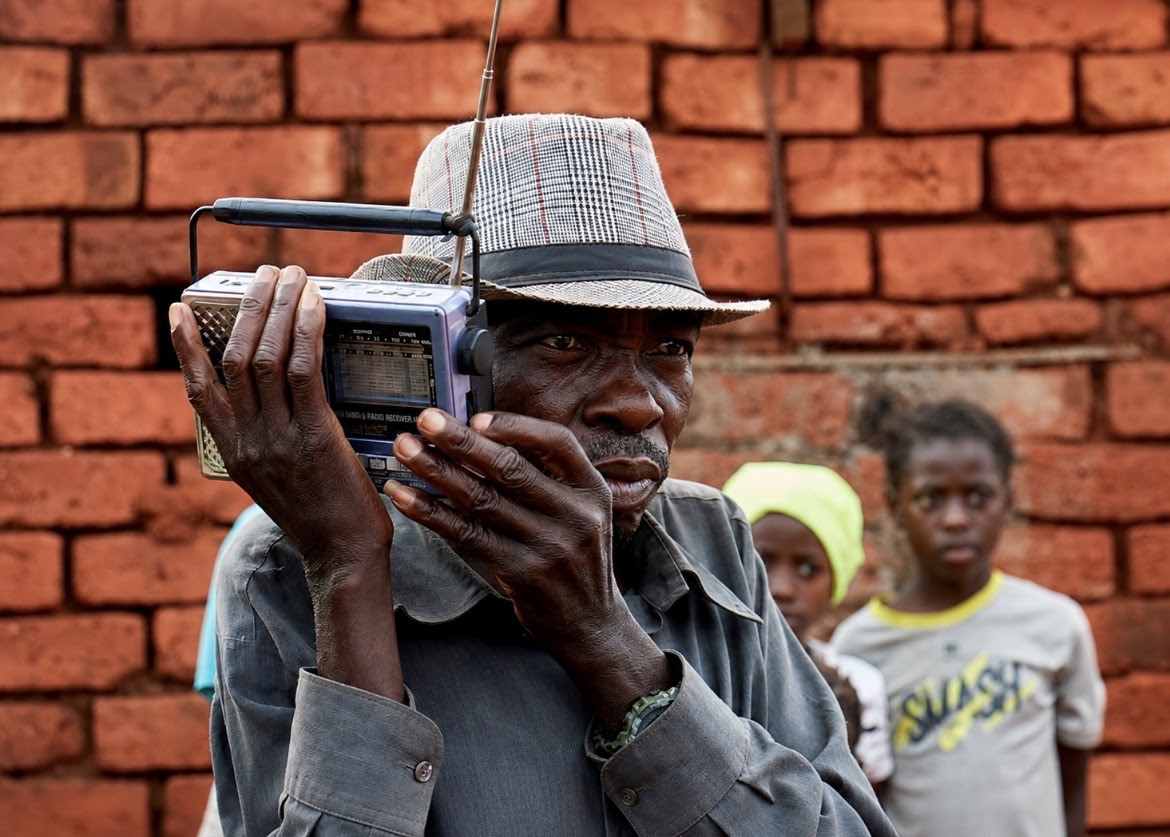
Armed groups like M23, the FDLR, and Burundian rebels exploit the unresolved refugee situation to justify their actions and gain support. The UN Group of Experts reports that these groups recruit among refugees, including those in camps in Rwanda and Uganda. This raises fears of insecurity in host countries and complicates political solutions for the refugee situation.
Border closures between Burundi and Rwanda from 2015 to 2023 and since 2024 have halted repatriation. Burundi's stance has become stricter. In October, Interior Minister Léonidas Ndaruzaniye announced that people coming from or passing through M23-controlled areas would not be allowed into Burundi.
Uganda has also tightened cross-border movement due to Ebola fears. New measures require non-essential Congolese travelers to be returned to the DRC. This could block refugees from getting the protection they need and goes against Uganda’s ‘open-door’ policy for refugees.
Regional tensions have increased host countries' suspicion of foreigners, including refugees. In Burundi, Congolese refugees now face stricter encampment policies that limit their work and movement. Police and ruling party youth, known as Imbonerakure, have reportedly detained refugees to send them back to official sites in remote areas.
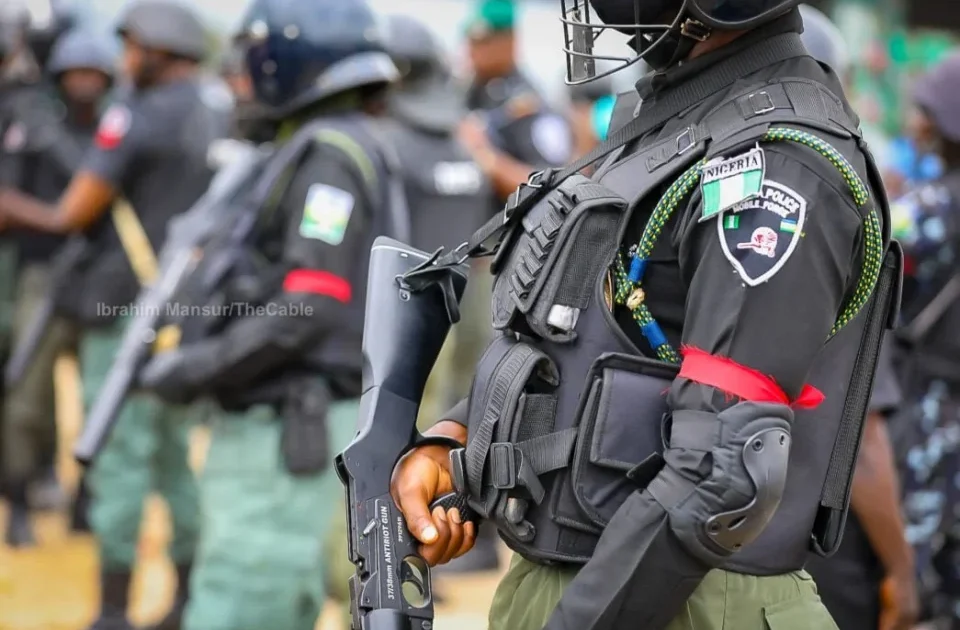
There are reports of increased surveillance, especially of Banyamulenge refugees, who authorities suspect of collaborating with M23. While Congolese refugees in Rwanda can access national services, many still rely on humanitarian aid and have faced excessive force during protests against their conditions.
There is a gap between repatriation promises in peace processes and the reality of forced and spontaneous returns. Refugee protection needs extend beyond the DRC and Rwanda to the wider region.
Three measures can help close this gap. First, peace efforts should focus on respecting refugees’ rights and protection through diplomatic engagement and monitoring of conditions for return.
Second, integrated regional solutions are needed for Congolese, Burundian, and Rwandan refugees and their links to armed groups. Refugees should be part of developing these processes, not only the countries responsible for their exile.
Third, donors and host states must ensure protection, including ongoing funding, so that return is voluntary and not forced by lack of resources.
Comments
No comments yet.