Nigeria Calls for West African Teamwork to Protect High Seas
Nigeria calls for collaboration among West African nations to establish marine protected areas in the high seas, highlighting the importance of shared efforts for ocean conservation.
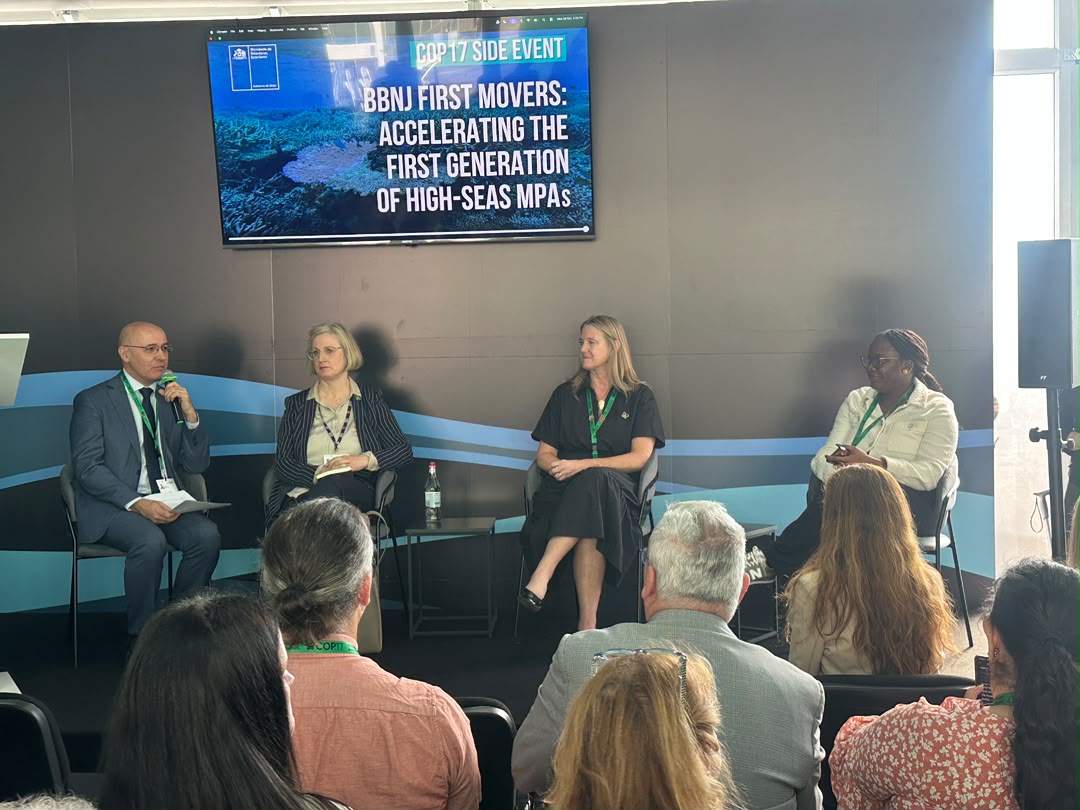
The Nigerian government has pointed out that working together, sharing science, enforcing rules, and getting proper funding are key to creating effective marine protected areas (MPAs) in the high seas of West Africa and beyond.
Nigeria shared these ideas on Monday through Sikeade Egbuwalo, who is the country’s representative for the Convention on Biological Diversity (CBD). She spoke during a high-level meeting organized by the BBNJ First Movers for the 30x30 target.
The BBNJ First Movers is a partnership led by Chile to speed up the creation of the first high seas Marine Protected Areas under the UN High Seas Treaty, also known as the BBNJ Agreement.
The BBNJ Agreement, formally called the Agreement on the Conservation and Sustainable Use of Marine Biological Diversity of Areas Beyond National Jurisdiction, gives a global framework for protecting marine life in areas outside national waters.
Chile is taking the lead to set the stage for protecting international waters as the treaty starts to be put into action. The first Conference of the Parties will take place in New York in January next year.
When asked how regional teamwork could help create effective high-seas MPAs for West African waters and meet the 30x30 target, Mrs Egbuwalo said ocean conservation relies on countries working together because marine ecosystems and the livelihoods they support go beyond borders.
"For Nigeria, the message is simple: the ocean does not recognize national boundaries, and neither should our conservation ambitions," she stated.
She emphasized that the health of shared marine ecosystems is vital for millions of people across West Africa. This makes regional cooperation crucial for proper marine protection and for achieving the global biodiversity goal.
The 30x30 target, set under the Kunming-Montreal Global Biodiversity Framework, aims to protect at least 30 percent of the world’s land and sea areas by 2030.
Over the past twenty years, the high seas and maritime zones off West Africa have faced serious environmental, economic, and security issues. These problems are mainly due to weak regulations, foreign exploitation, and climate change.
While national governments manage territorial waters and Exclusive Economic Zones, the vast high seas beyond these limits have often been like an unregulated “Wild West.” This has made them open to overexploitation and illegal activities.
Because of this, the Gulf of Guinea and West African shipping routes have seen high risks of piracy, armed robbery, and attacks on oil tankers, bulk carriers, and fishing boats. This has led to West African seas being called the “world’s most dangerous seas.”
On Monday, Mrs Egbuwalo mentioned that Nigeria is working with six other West African countries through the West Africa BBNJ Coordination Committee. They are pushing for a highly protected high-seas MPA in the Guinea-Canary Currents Convergence Zone.
She said this initiative shows how regional cooperation can turn shared conservation goals into real action by building political ownership, strengthening agreement, and maintaining commitment throughout the process.
Mrs Egbuwalo said reaching the 30x30 target requires more than just marking percentages of the ocean for protection. She stressed the need for connected and well-managed MPA networks that are ecologically representative.
According to her, the Guinea-Canary Currents Convergence Zone is home to important biodiversity, migratory species, and fish populations that link high seas with national waters.
She mentioned that regional collaboration would allow countries to share scientific knowledge, marine data, and pinpoint areas where protection would offer the most environmental benefits.
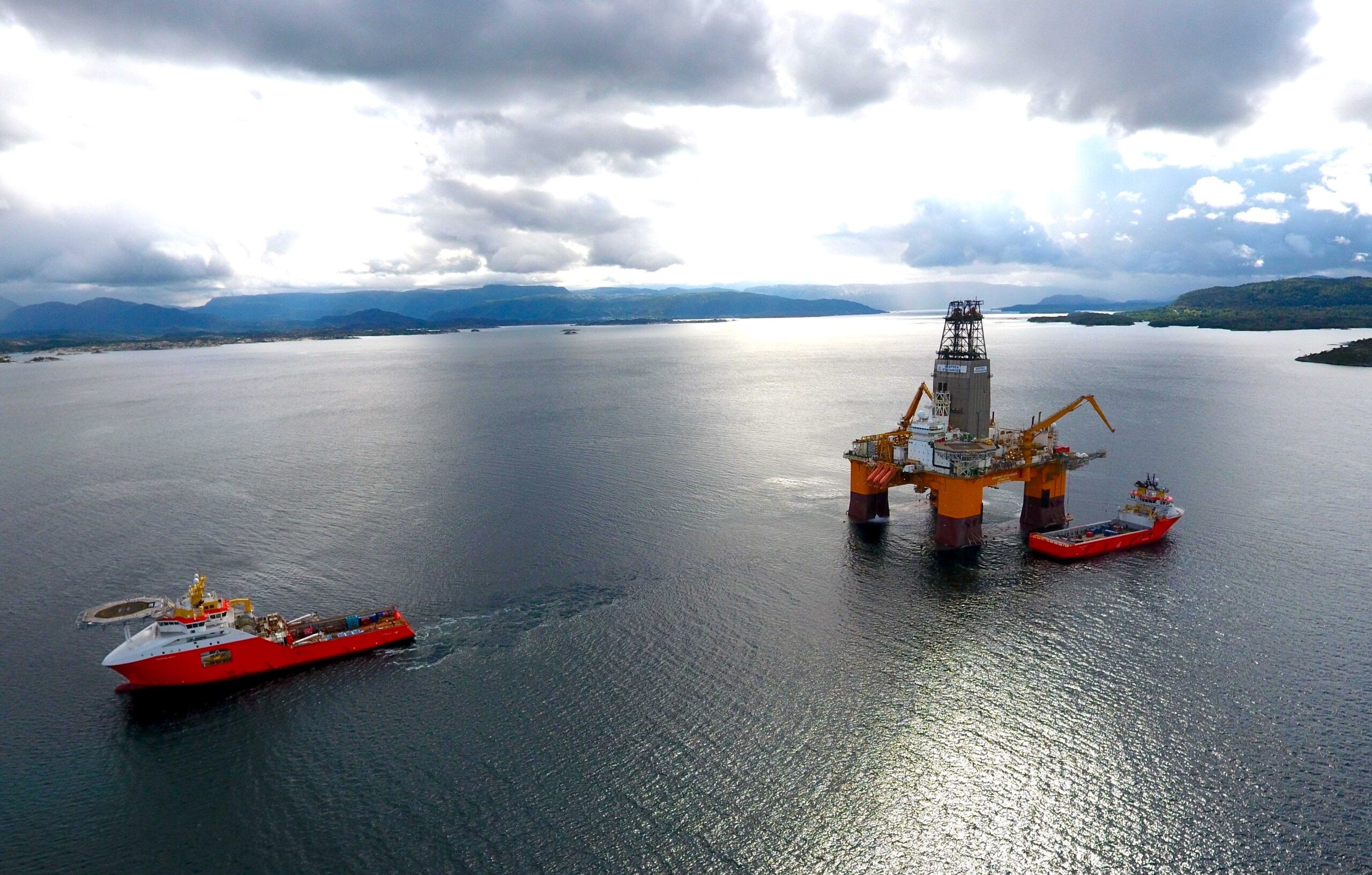
The Nigerian official also highlighted that marine conservation needs to be linked with fisheries management, food security, and coastal livelihoods.
She said Nigeria’s evaluation of the proposed regional MPA has taken into account marine species that are important for nutrition, economy, and culture in coastal areas.
This, she explained, highlights the need to involve artisanal fishers, women in fish processing and trade, and other ocean users in the conservation efforts.
"Conservation and livelihoods must reinforce each other, rather than be treated as competing priorities," she stated.
Mrs Egbuwalo pointed out that effective monitoring, control, and enforcement are also essential. She warned that marine protected areas must be truly protected, not just marked on paper.
She said a regional assessment of monitoring, control, and surveillance abilities has found existing systems that could be improved.
She added that regional cooperation could help with joint monitoring, satellite surveillance, sharing vessel-tracking information, and working with regional fisheries organizations.
She stated that management and enforcement plans must be part of the early stages of MPA development.
In addition, she noted that setting up and managing high-seas MPAs needs a lot of scientific, technical, and financial resources.
She argued that regional cooperation could help countries share abilities, identify common needs, and attract international support while keeping regional ownership of conservation efforts.
As countries get ready for the first Conference of the Parties to the BBNJ Agreement, she called for developing countries to have real access to finance, technology, and capacity-building help to engage effectively in its implementation.
With less than four years left to meet the 2030 biodiversity target, Ms Egbuwalo urged countries to shift from ambition to action.
She described the proposed Guinea-Canary Currents high-seas MPA as a chance to show how African regional leadership can provide real protection for the global ocean.
She also pointed out the sixth International Marine Protected Areas Congress (IMPAC6), set for Dakar in March 2027, as a chance to boost political momentum and partnerships for the first high-seas MPAs.
She reiterated Nigeria’s commitment to working with West African partners and the international community to move this initiative forward.
"30x30 is not just about how much ocean we protect, but how effectively we protect it," she said. She added that regional cooperation could help West Africa protect biodiversity, strengthen ocean resilience, and secure coastal livelihoods.

Comments
No comments yet.