Nigeria Faces Challenges in Ending Gas Flaring
Ibrahim Illo from NUPRC discusses the difficulties Nigeria faces in reducing gas flaring. Financing remains a major obstacle for gas projects.
Ibrahim Illo, a senior manager at the Nigerian Upstream Petroleum Regulatory Commission (NUPRC), shared insights during an interview with PREMIUM TIMES at the COP31 climate conference in Antalya, Türkiye. He discussed the hurdles Nigeria faces in stopping gas flaring, despite laws aiming to cut it down.
Mr Illo explained that the Petroleum Industry Act (PIA) has measures to discourage gas flaring. It also encourages the commercial use of associated gas. But financing is still a big problem for companies wanting to start gas projects. "Some of the operating companies are also making an effort to see how they can source funds to execute this project," he said. He added, "Oil and gas projects are not cheap projects; you need funding."
He pointed out that the shift towards renewable energy is making it hard to get money for fossil fuel projects. Mr Illo mentioned that the NUPRC is involved in international climate talks, like COP31, to showcase Nigeria’s plans and government promises. They also want to find ways to work together to cut down emissions.
Nigeria’s Gas-Flaring Performance
These financing issues come as Nigeria's gas-flaring rates are worsening. The World Bank’s 2025 Global Gas Flaring Tracker shows that gas flaring in Nigeria went up by 12 percent in 2024. This marks the second year in a row that flaring has increased. The country saw an eight percent rise in flaring intensity, from 11 cubic metres per barrel of oil in 2023 to 12 cubic metres in 2024. This is more than double the global average.
The report states that 60 percent of Nigeria’s gas flaring in 2024, and 75 percent of the increase that year, came from the Nigerian National Petroleum Corporation (NNPC) and smaller local companies. Many of these firms may lack the skills and funding to manage expensive gas projects. The report also pointed out obstacles in using captured gas for electricity generation, along with limited funding and infrastructure.
Nigeria has struggled to keep its promises on gas flaring in the past. In 2016, the country started the Nigerian Gas Flare Commercialisation Programme (NGFCP), aiming to stop routine gas flaring by 2020. This target was not met, and the program faced delays. Nigeria also agreed to the World Bank’s Zero Routine Flaring by 2030 initiative in June 2016.
Regulatory Efforts
Despite these challenges, Mr Illo said the PIA has improved the laws around gas flaring. It allows the commission to take control of gas that companies would otherwise flare and provide it to third parties who will use it. He noted that this has discouraged some operators, while the law also tells oil and gas firms to monetize gas.
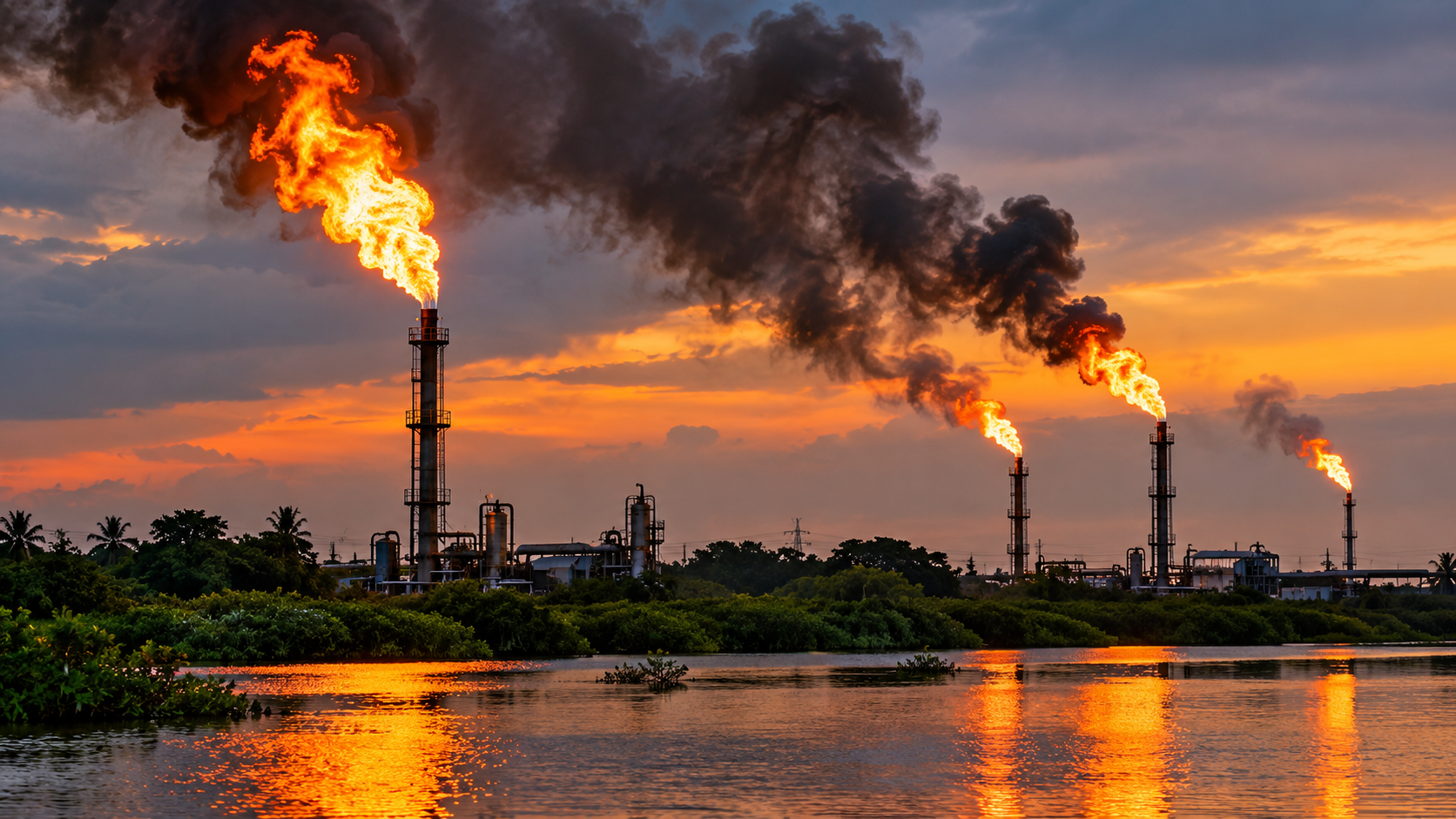
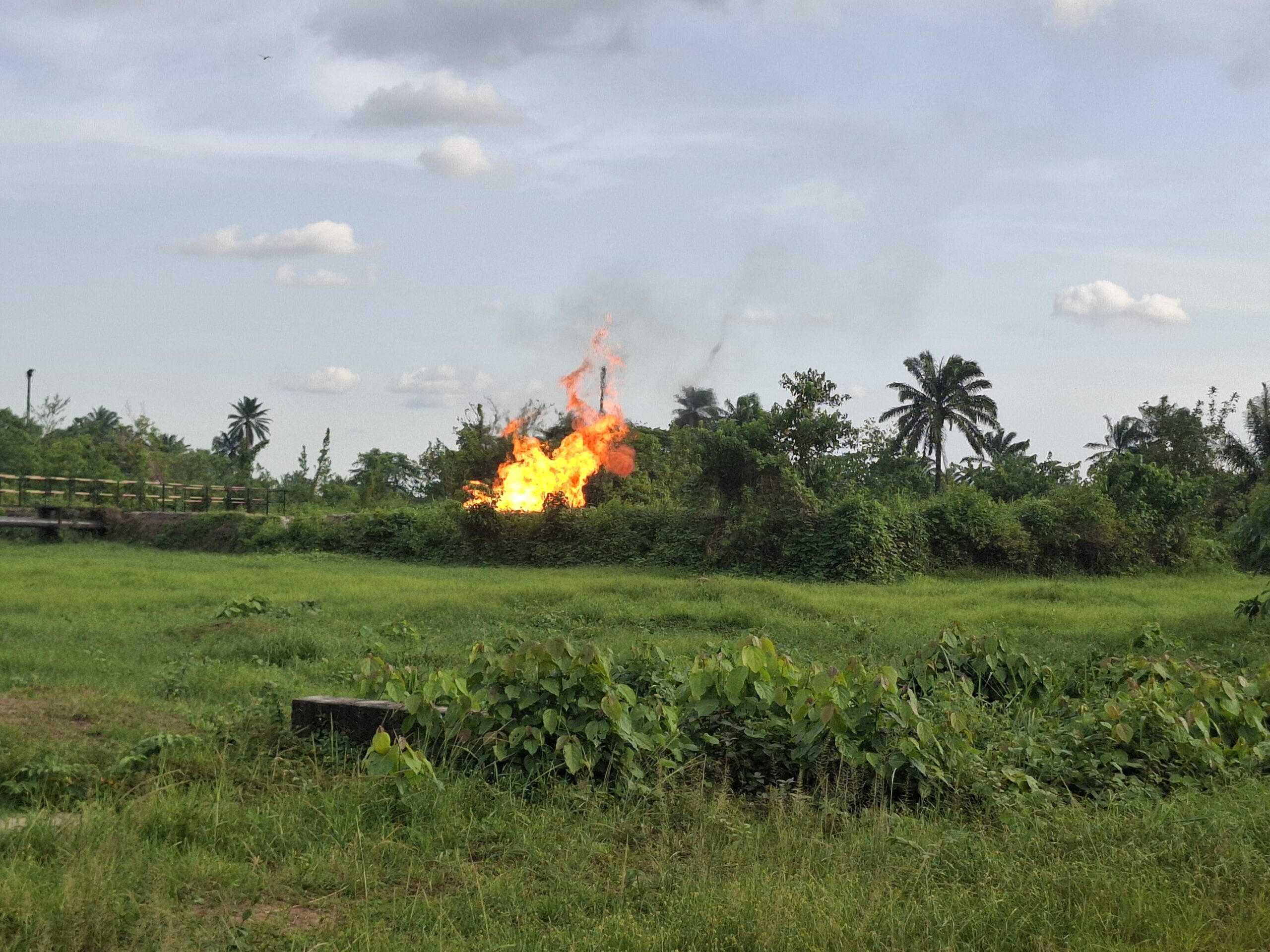
Under Section 105(2) of the PIA, the NUPRC can take natural gas meant for flaring, at no cost, and make it available for commercial use. The 2023 Gas Flaring, Venting and Methane Emissions (Prevention of Waste and Pollution) Regulations require producers to create plans to eliminate and monetize gas flaring, keep records of emissions, and follow reporting rules.
Yet, PREMIUM TIMES found in an October 2026 investigation that the anti-flaring rules faced delays and issues in monitoring methane. The investigation revealed that the NUPRC granted permits to 28 firms in December 2025 to commercialize flare gas, more than four years after the PIA was passed. It also found problems with the commission's emissions data publication and operators' methane information submissions, raising doubts about compliance.
Mr Illo emphasized that reducing emissions will need ongoing teamwork among government agencies, operators, and other groups. He also warned that climate action won't stop by the 2030 deadline. "Climate change issues are continuous. Even if you get to 2030, there will still be emission reduction efforts that we need to do," he said.
Community Responsibilities
Beyond gas flaring, Mr Illo mentioned that the PIA has measures to tackle environmental damage and improve conditions in communities near oil and gas operations. He highlighted community development, environmental cleanup, and the closure of oil and gas facilities as key aspects of the Act.
Under Chapter Three of the PIA, oil and gas companies must give three percent of their annual operating costs to trusts for community development. These funds are used for projects identified by the communities, like healthcare, education, and infrastructure.
Mr Illo noted that over 174 community development trusts have been set up in oil-producing areas, with some already carrying out projects. He said this framework has strengthened cooperation between communities and operators, helping to reduce vandalism of oil and gas facilities.
When asked how the commission ensures companies meet these obligations, Mr Illo said compliance is part of the regulatory approval process. He explained that companies must form community development trusts and promise to clean up the environment before their field development plans can be approved. He added that operators must also set aside money for environmental restoration in case of pollution and for closing down facilities after production ends. However, he did not share specific examples of actions taken against companies that did not meet their obligations.
Get more stories like this on your home page
How this story developed
- Nigeria Sticks to 2030 Deadline for Ending Gas Flaring Despite Challenges
Nigeria Faces Challenges in Ending Gas Flaring (this story)
Comments
No comments yet.