WHO Calls for Action Against Antimicrobial Resistance Globally
The WHO emphasizes the need for real actions against antimicrobial resistance. With millions affected, the call comes ahead of World AMR Awareness Week.
The World Health Organisation (WHO) has stressed that countries must turn global promises to fight antimicrobial resistance (AMR) into real actions.
It warned that lack of funds, poor monitoring, and weak teamwork are slowing down progress.
This appeal comes as the world gets ready to observe World AMR Awareness Week (WAAW) from 18 to 24 November. It highlights an estimated 4.7 million deaths linked to bacterial antimicrobial resistance in 2021.
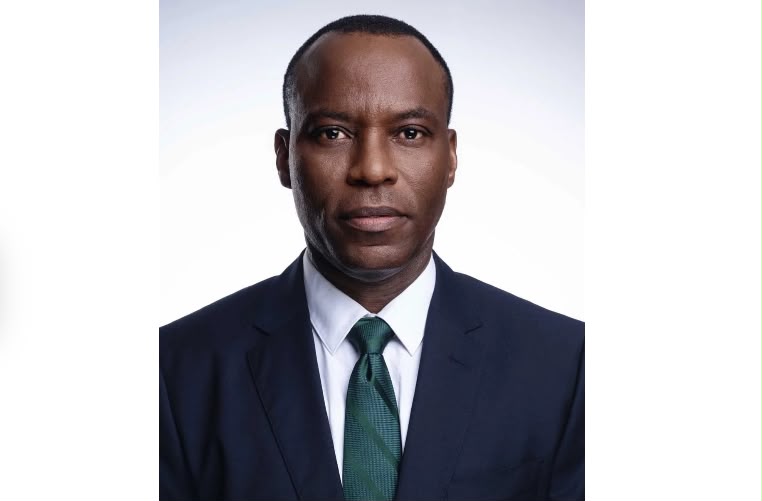
“AMR is one of the most urgent global health threats and development challenges. It threatens our ability to treat infections, protect animal and plant health, and produce safe food, and also has an impact on the environment,” said Jean-Pierre Nyemazi, Acting Director of WHO’s Department of Antimicrobial Resistance.
Mr Nyemazi spoke at the sixth Annual Global Media Forum on AMR, just before this year’s awareness week, themed “One Health, One Action: Prevent AMR Now.”
He said these numbers show real effects on patients, families, farmers, and communities. He stressed that we need to move from global promises to real actions.
“Let’s be honest. The gap between commitments and pledges versus implementation remains wide,” he added.
During the 2024 United Nations General Assembly High-Level Meeting on AMR, world leaders made a political declaration to cut deaths from bacterial AMR by 10 percent by 2030. This is from a 2019 baseline of 4.95 million.
They also promised that at least 60 percent of countries would have funded national AMR action plans by 2030. They called for at least $100 million in initial funding, including through the AMR Multi-Partner Trust Fund.
WHO’s Senior Technical Officer and Lead of Multisectoral Coordination in its AMR Department, Kefas Samson, said that progress is not the same across all countries.
He noted that lack of funding, poor monitoring of antimicrobial use, weak infection prevention in healthcare, limited testing capacity, and unequal access to quality medicines are big challenges.
Mr Samson said WHO is helping governments assess their needs, cost interventions, and adjust their plans to fit local situations and resources.
The organization is also improving monitoring to track the implementation of the updated Global Action Plan on AMR for 2026, 2036 and to measure progress towards the 2030 goals.
Other goals include ensuring that 70 percent of antibiotics used in human health belong to WHO’s Access group. This group includes antibiotics recommended for treating common infections.
Countries are also expected to improve their capacity to test for key bacterial and fungal pathogens. They aim for at least 80 percent of countries to have the needed testing capacity by 2030.
Mr Samson described the updated global action plan as a way to turn the 2024 political declaration into measurable actions at the country level. The plan uses a One Health approach that connects human, animal, agricultural, and environmental sectors.
The Food and Agriculture Organisation of the United Nations (FAO) warned that not improving animal health and farming practices could lead to more antimicrobial use.
Junxia Song, FAO’s Deputy Chief Veterinarian, said global antibiotic use in livestock could go up by nearly 30 percent by 2040 without action.

But she also said better animal health and farm management could cut antibiotic use by up to 57 percent. “Prevention must become central to the global fight against antimicrobial resistance, with farmers placed at the heart of the response,” she said.
The United Nations Environment Programme (UNEP) also warned that pollution could hurt efforts to manage AMR.
Aitziber Echeverria, UNEP’s AMR Coordinator, said the environment affects the rise and spread of drug-resistant microorganisms.
She pointed out that pharmaceutical production, agriculture, healthcare, and waste management are key areas needing action.
“The environment and AMR cannot be treated separately. That is the One Health concept,” she added.
Jane Lwoyero, a programme officer at the World Organisation for Animal Health (WOAH), said investing in preventing animal diseases could bring big economic returns.
“For every US$1 that is invested in prevention of animal diseases and for better animal health systems, we are assured of getting a return of US$28,” she said.
She noted that fewer than 20 percent of WOAH member countries vaccinated animals against reportable diseases. Animal diseases cause global losses of up to $300 billion each year.
Still, she pointed out some progress in lowering antimicrobial use in animals. WOAH data shows global antimicrobial use in animals fell by three percent from 2019 to 2024.
The organization also reported that 74 percent of countries do not use antimicrobials for growth promotion. In contrast, 19 percent still allow it, while seven percent did not report their position.
Nigeria will host the fifth Global High-Level Ministerial Conference on AMR in Abuja from 6 to 8 December.
The meeting will review progress, tackle challenges, and renew political commitment to fight AMR. The updated Global Action Plan for 2026, 2036 and the proposed Independent Panel on Evidence for Action against AMR are also set to be discussed, with possible launches at the conference.
Mr Nyemazi said the meeting will help check if global commitments are making a difference in communities.
He urged journalists to keep public attention on this issue through accurate reporting.
“You make visible what is often invisible. Your accurate, evidence-based and solution-focused reporting shapes public understanding, sustains political attention and holds all of us accountable,” he said.
Shobha Shukla, Chairperson of the Global AMR Media Alliance, said the challenge is no longer just getting countries to see AMR or make national action plans. It is also about ensuring they have the funding, monitoring systems, lab capacity, and accountability to carry them out.
She also called for a people-centered response that stops “unnecessary antimicrobial use” while making sure those who need effective medicines can get them.
Comments
No comments yet.