Nigerian Women Make Their Demands Clear Again
At the Abuja Summit, influential voices united to advocate for women's leadership and inclusive governance. Their demands echo the need for real commitment to women's rights.

Think back to 31 years ago, in 1995. Women from all over the world came together in Beijing, China. They met to discuss issues affecting women everywhere. They talked, chanted, and declared their intentions. Then, they went quiet.
This quietness came because many companies and governments that signed agreements did so without real commitment. They followed the crowd but lacked personal conviction.
Yet, the silence could not hide the powerful words of Hillary Clinton, the then First Lady of the United States. She said, "It is no longer acceptable to discuss women’s rights as different from human rights."
She continued, leaving the delegates with a strong message: "If there is one message that echoes forth from this Conference, let it be that human rights are women’s rights and women’s rights are human rights, once and for all."
That statement likely inspired the Abuja Summit held on 21 August. This Summit was timely and important. Although I did not attend, I want to share what happened and why it matters.
The Summit lasted over six hours and followed months of careful planning. It brought together key decision-makers in Nigeria. It was called the "Inclusion and National Security Summit" with the theme: "Advancing Women’s Leadership for Inclusive Governance and Security."
With so many influential voices present, it seemed unlikely that the resolutions would be ignored by the government. Ministers, lawmakers, security officials, judges, traditional and religious leaders, development partners, civil society groups, and the media were all in attendance.
As I listened to the arguments, I felt hopeful. If so many important people support these issues, who would delay implementing the decisions made?
I believe the issues discussed and agreed upon will not just gather dust. Someone will rise above the usual politics and take action.
Organized by I Teach Africa, the Summit stressed the need for women to participate meaningfully in governance, peace-building, public policy, and national security. This participation is key to creating a peaceful and inclusive Nigeria.
Speakers agreed that women should be seen not just as beneficiaries but as active participants, decision-makers, and leaders in national peace and security.
Mrs. Ebimoboere Elezieanya, the chief organizer, stressed that "a nation is stronger when every voice has a seat at the table." She meant the decision-making table, highlighting the importance of including everyone who matters in society.
Elezieanya also pointed out the significant roles women have played in peacebuilding, community development, governance, and national security.
With passion, she called for greater opportunities for women. She made it clear that these should not be seen as gifts, but as rights to participate and lead in shaping the country.
Interestingly, men also spoke up at the event. Technocrats, security agents, lawmakers, and traditional rulers voiced strong opinions on what women could achieve if given a chance.
No one directly addressed whether women should wait for an invitation or take a seat at the table. It seems clear that forcing their way in could backfire.
It is also important to remember the Aba Women Riot of 1929. This was not just about taxation but also about women’s exclusion from important discussions. They could not wait any longer.
Summit participants agreed that inclusive governance strengthens democracy, promotes peace, enhances social ties, and boosts national security. They emphasized that women’s leadership is vital for sustainable development.
They noted that women’s exclusion from economic opportunities, education, and leadership has limited their contributions to national progress.
Through discussions and lectures, participants highlighted that Nigerian women are under-represented in governance and security decision-making.
This raises questions about the 1995 Beijing Conference, which addressed women’s needs and rights. The resolutions from that meeting are still relevant.
They highlighted the importance of including women in governance, as national security issues affect them more, especially in conflict-affected areas.

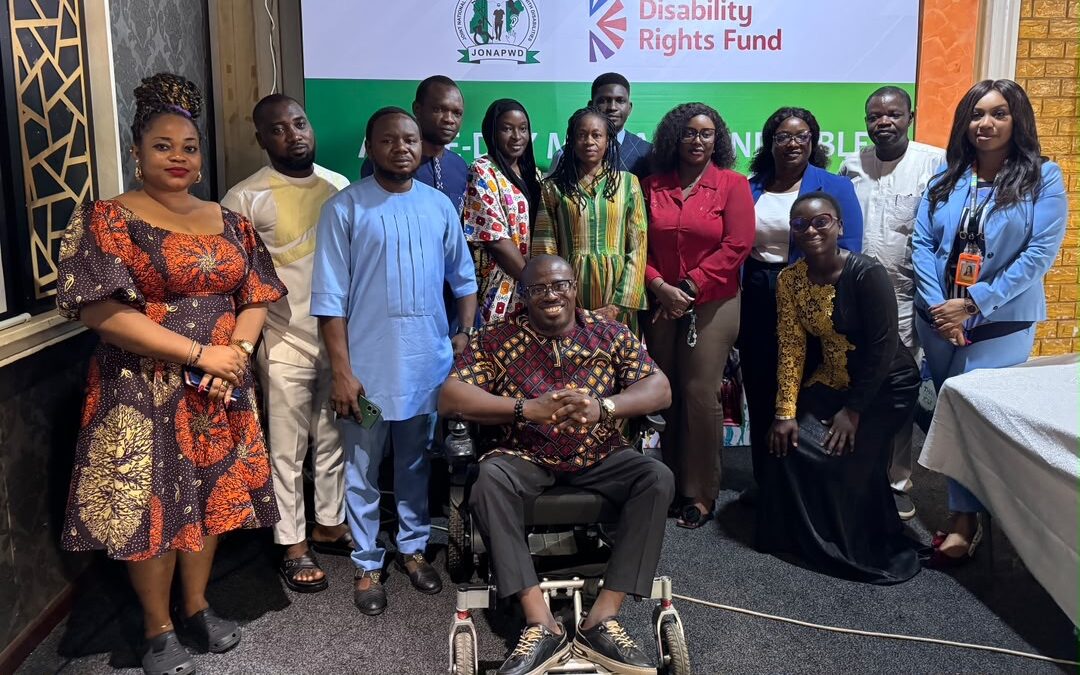
The Summit also pointed out that economic challenges, poverty, and unemployment make women more vulnerable, which threatens peace and community stability. Education and mentorship can help women take part in governance and policy-making.
While acknowledging existing policies, participants agreed that stronger implementation and accountability are necessary to achieve progress in women’s representation in governance.
The Summit called for the government to promote inclusive governance at all levels and ensure women’s participation in political leadership and decision-making.
They urged the government to remove barriers and create pathways for women’s leadership through mentorship and capacity building.
Security agencies were asked to include women in peace-building and community safety initiatives, focusing on proactive conflict prevention.
The demand for women’s economic empowerment through training and access to financial resources was also made.
Participants noted that in modern Nigeria, some traditions still limit girls from pursuing education and leadership. They insisted these barriers should be removed by law.
Many demands made at the Summit do not need government action to succeed. For example, digital access and skills for women do not face legal restrictions.
Issues like online harassment and cyberbullying are already addressed by existing laws, but they still affect women's participation in public spaces.
Nigeria has often neglected international agreements on gender equality and women’s rights, including those from the United Nations Security Council on Women, Peace, and Security.
The Summit strongly called for policies and reforms to improve women’s representation in governance and to strengthen accountability to ensure real progress.
They also discussed the need for partnerships among government, security agencies, civil society, traditional institutions, and the media to achieve these goals.
Those who thought the Summit would lack direction were surprised. The objectives were clear, guiding every speaker and panelist.
The Summit aimed to enhance women’s role in governance, explore links between women’s inclusion and national security, and promote their involvement in peacebuilding.
Discussions focused on improving communication between government, civil society, and communities plagued by conflict. They identified barriers to women's leadership and discussed ways to support their development.
Each panel and speaker focused on the relationship between women and national security, addressing how insecurity impacts women and the need for greater involvement in decision-making.
Every session highlighted the importance of recognizing women as contributors to national security, not just as victims of conflict.
The Abuja Summit echoed the discussions from the 1995 Beijing Conference. That meeting, with 17,000 participants, highlighted women’s neglect in society.
The Abuja Summit served as a reminder to development and security stakeholders in Nigeria that the issues raised in Beijing still need attention.
The 1995 Conference focused on women's exclusion from education, decision-making, and discussions on conflict and economic development.
I can only hope that the resolutions and declarations from this Summit will not end up like those from the Beijing Conference. Nigerian women deserve attention and respect because it is their right as human beings.


Comments
No comments yet.