Nigeria's Bonds Back in J.P. Morgan Index After 11 Years
J.P. Morgan has included Nigeria's bonds in its global index after 11 years. This could bring $17.5 billion into the debt market and lower borrowing costs.
J.P. Morgan, a top financial services company, has welcomed Nigeria's Federal Government bonds back into its new global bond index for emerging markets. This move could bring in about $17.5 billion into Nigeria's debt market.
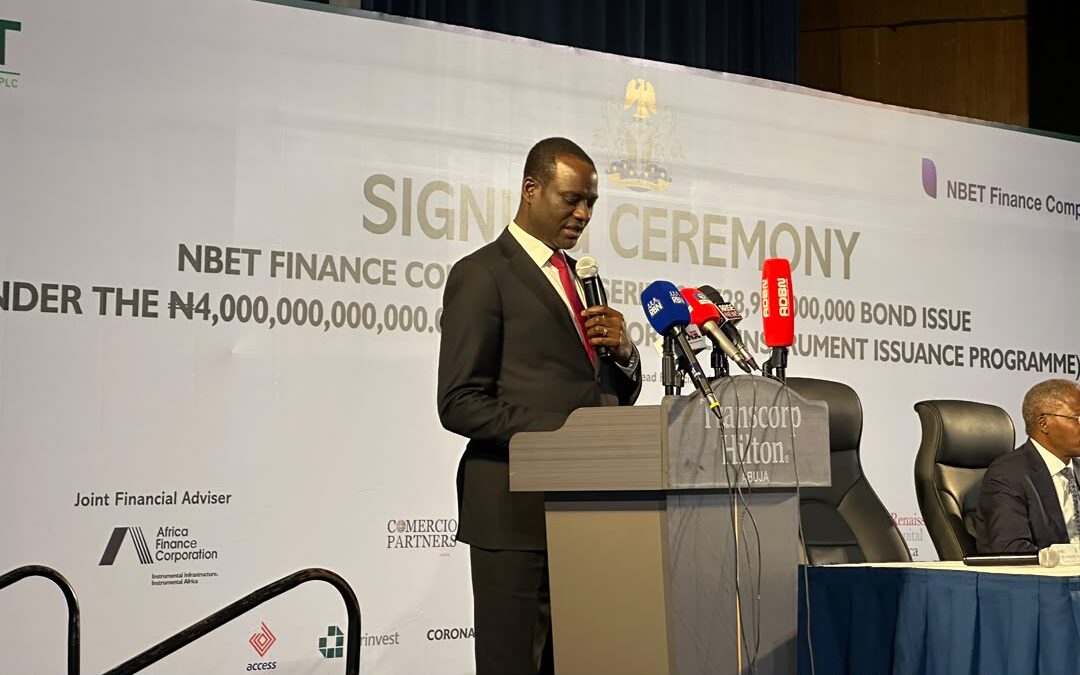
Nigeria’s Finance Minister, Taiwo Oyedele, shared this news at the signing of the NBET Finance Company Series 2 Bond in Abuja on Monday.
The Minister called this a big step for the country’s capital market.
He noted that J.P. Morgan’s indices are popular among global investors. Nigeria’s return to this index could be an important boost for investments coming into the country.
“We’ve been off the list for 11 years,” he said.
The inclusion might draw around $17.5 billion into Nigeria’s debt market. It could also help lower bond yields by as much as 200 basis points, according to the Minister.

“So this is significant,” he added during his speech at the NBET event. He explained that this development could also help investors who bought into the Federal Government of Nigeria’s Series 2 bond.
“And to those who have invested in FGN Series 2, that’s the silver lining,” he said.
Mr. Oyedele mentioned that this new change could affect borrowing costs. He said, “If it had been allowed tomorrow, the rates would not have gone up.”
This inclusion comes as Nigeria aims to strengthen its domestic capital market, attract more investments, and lower borrowing costs.
It is also set to raise the profile of Nigerian government securities among international fixed-income investors. This could lead to better liquidity in Nigeria’s debt market.





Comments
No comments yet.