Nigeria's Inflation Drops Slightly to 15.91% in June Despite Rising Food Prices
Nigeria's inflation rate dropped to 15.91% in June 2023, a slight decrease from May. Food prices continue to rise, impacting household budgets.
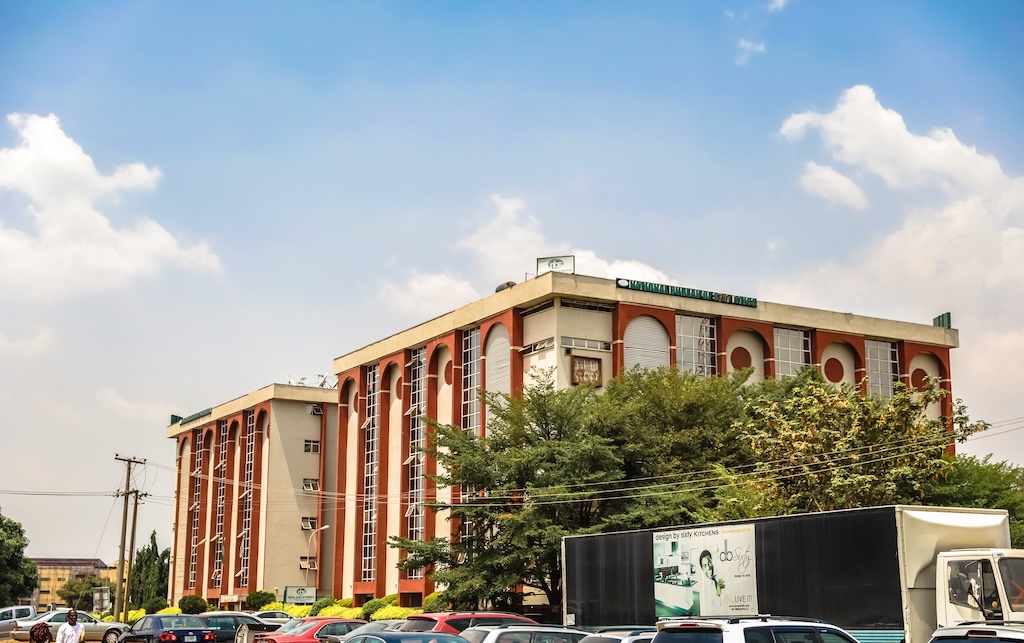
The National Bureau of Statistics (NBS) reports that Nigeria's headline inflation rate dropped slightly to 15.91 percent in June. This is down from 15.93 percent recorded in May. This shows a small sign of easing price pressures even as food prices keep rising.
The bureau shared this in its latest Consumer Price Index (CPI) report released on Wednesday.
The report shows that the headline inflation rate is much lower than the 25.29 percent recorded in June 2025. This represents a year-on-year decline. Compared to May, the inflation rate fell by 0.02 percentage points.
On a month-to-month basis, headline inflation also slowed to 1.66 percent in June from 1.75 percent in May. This means that the average price level rose at a slower pace last month.
"This means that in June 2026, the rate of increase in the average price level was lower than the rate of increase in the average price level in May 2026," said the NBS.
The report showed that the Consumer Price Index rose to 143.0 in June from 140.7 in May. This reflects a 2.3-point increase in the average price level.
Food Prices
While the overall inflation rate eased a bit, food prices are still putting pressure on household budgets.
The NBS stated that food inflation stood at 17.52 percent on a year-on-year basis in June. This is compared to 25.41 percent in the same period in 2025.
However, on a month-to-month basis, food inflation increased to 3.75 percent in June from 2.98 percent in May.
The bureau said this increase was due to higher prices of staple food items. These items include fresh pepper, tomatoes, crayfish, beef, garri, yam tubers, yam flour, cassava flour, cowpea, bananas, and Irish potatoes.
Food and non-alcoholic beverages were the biggest contributors to headline inflation, accounting for 6.37 percentage points. Other major contributors included restaurants and accommodation services (2.06 percentage points), transport (1.70 percentage points), housing, water, electricity, gas, and other fuels (1.34 percentage points), education (0.99 percentage points), and health (0.96 percentage points).
Core Inflation Eases
Core inflation, which excludes prices of volatile agricultural products and energy, was at 15.92 percent year-on-year in June. This is down from 25.41 percent recorded in the same period last year.
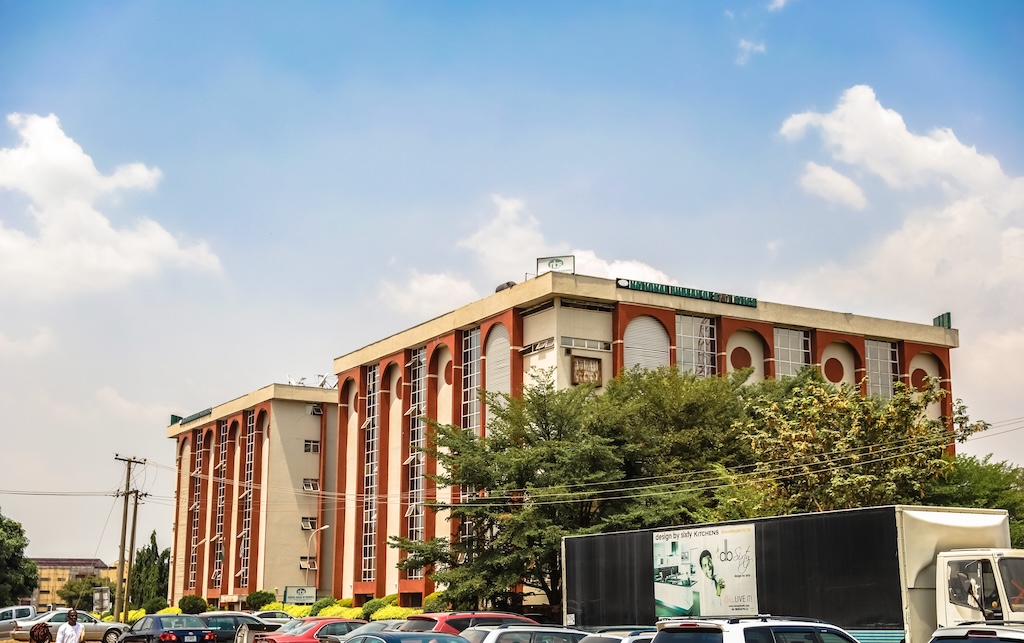
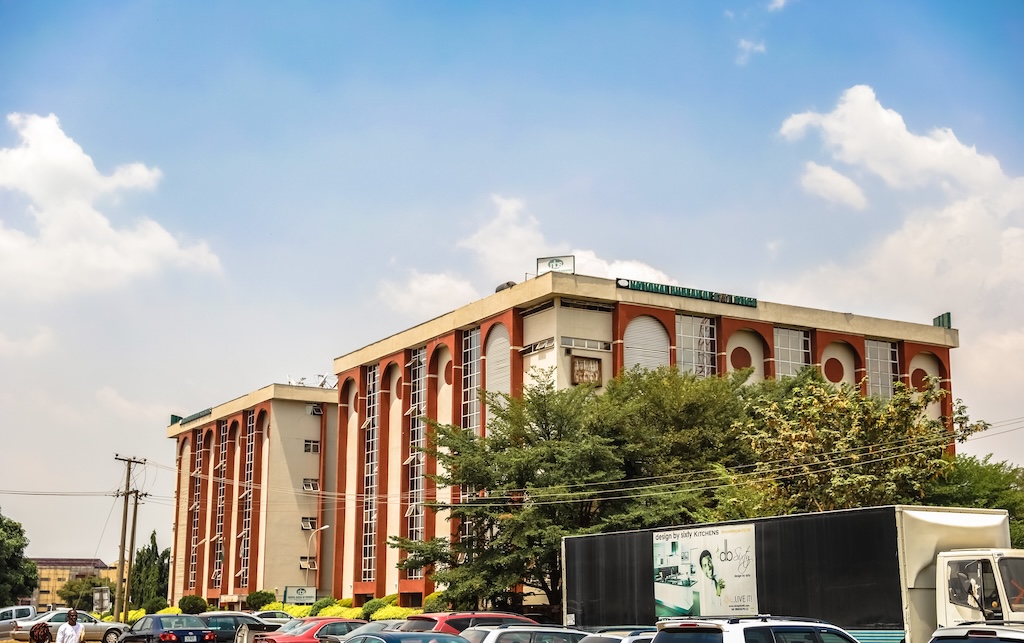
On a month-to-month basis, core inflation also eased to 1.66 percent compared to 1.94 percent in May.
The report also showed that the average headline inflation rate for the 12 months ending June 2026 stood at 17.63 percent. This is lower than the 29.82 percent recorded in June 2025.
The average annual food inflation rate dropped to 16.42 percent from 31.93 percent in the same period last year.
The NBS said urban inflation stood at 16.08 percent year-on-year, while rural inflation was at 15.48 percent.
On a month-to-month basis, urban inflation rose to 2.13 percent from 1.99 percent in May. Rural inflation slowed to 0.52 percent from 1.17 percent.
Inflation Varies Across States
The report pointed out wide differences in inflation across the country.
Niger State had the highest annual all-items inflation rate at 42.23 percent. This was followed by Kogi at 41.59 percent and the Federal Capital Territory at 39.91 percent.
In contrast, Imo State had the lowest annual inflation rate at 19.47 percent, followed by Ebonyi at 20.79 percent and Katsina at 21.87 percent.
For food inflation, Kogi State had the highest year-on-year rate at 53.02 percent. This was followed by Niger at 43.83 percent and Benue at 40.83 percent.
The lowest food inflation rates were in Katsina at 19.15 percent, Rivers at 23.81 percent, and Imo at 24.60 percent.
The June inflation figures come as Nigeria continues to deal with the effects of ongoing economic reforms. These include changes in the exchange rate and higher costs of energy and transport, which have pushed consumer prices up over the past two years.





Comments
No comments yet.