NRGI calls for better methane rules in Niger Delta
The Natural Resources Governance Institute calls for better enforcement of methane rules in Nigeria's oil sector, emphasizing the need for accurate measurement and transparency.
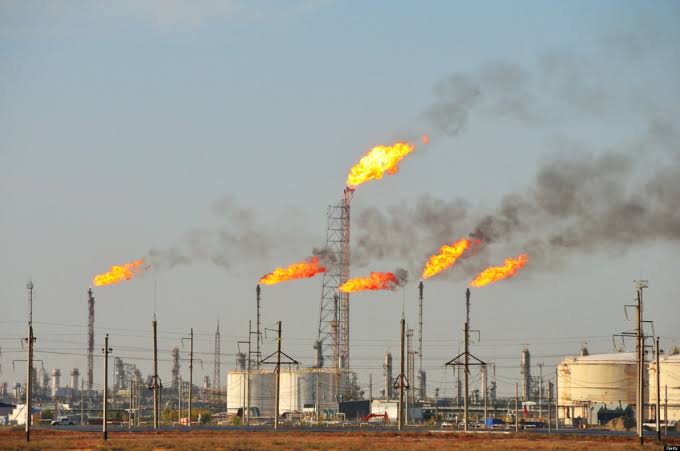
The Natural Resources Governance Institute (NRGI) has asked for better enforcement of methane emission rules in Nigeria's oil industry.
The group specifically wants stricter compliance from companies working in the Niger Delta area.
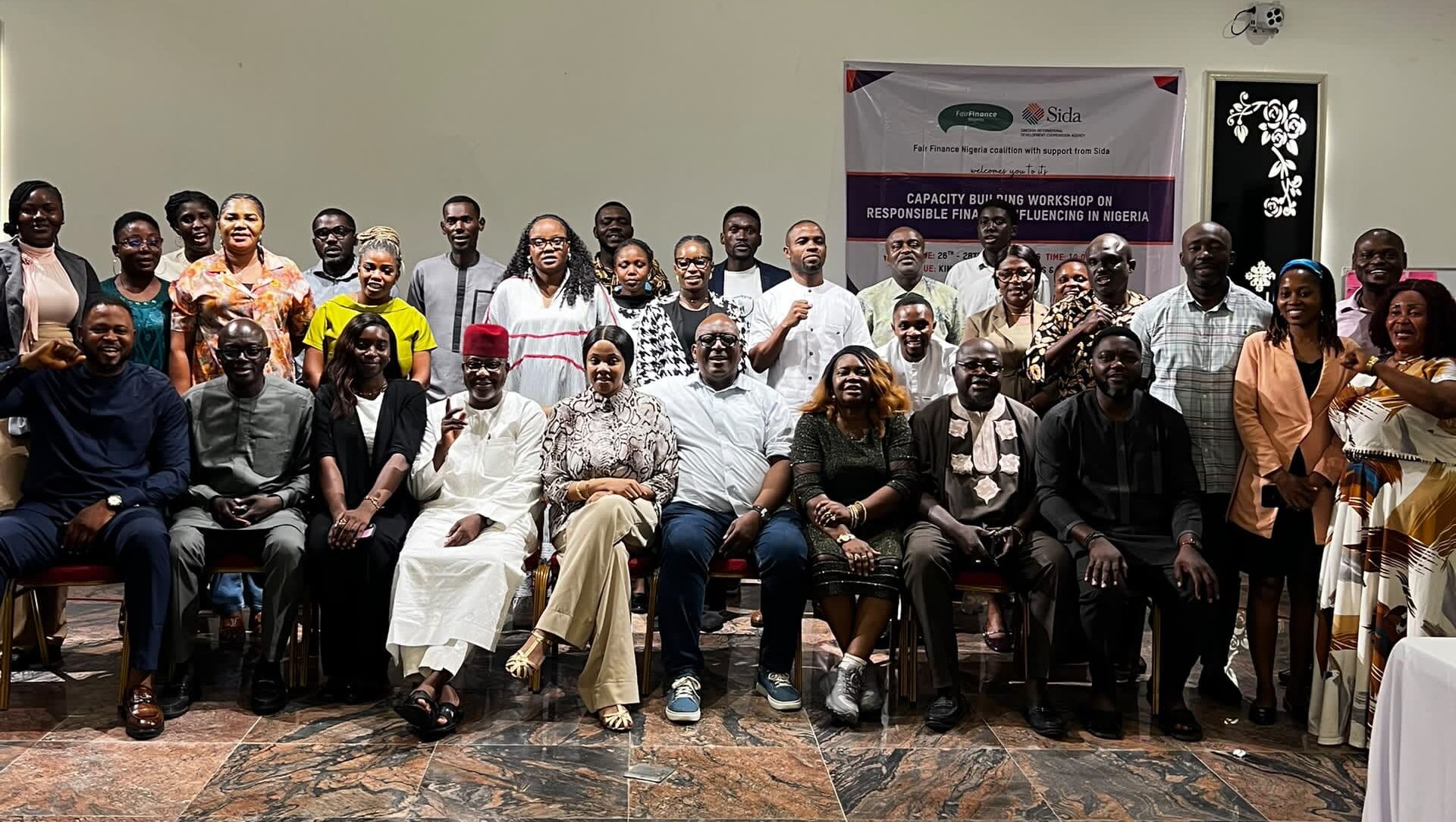
NRGI Country Manager, Tengi George-Ikoli, made this request during a webinar on Tuesday.
The webinar looked at how media storytelling can help improve accountability and enforcement on methane emissions.
It also featured the documentary, "The Human Cost of Methane Emissions in Nigeria's Niger Delta."
This documentary was made by Policy Alert and We The People, with help from NRGI.
Mrs. George-Ikoli said Nigeria needs a reliable and united approach to measuring methane emissions.
She pointed out that accurate measurement is key for tracking progress and making real reductions.
"A common baseline and strong measurement standards are essential for tracking progress and building trust," she said.
The NRGI official emphasized that companies must do more than just disclose their emissions.
"Companies should not only disclose emissions, but actively manage and reduce them," she added.
She mentioned that transparency needs to lead to real actions in the oil and gas industry.
She called for better monitoring and reporting systems throughout the industry's value chain.
Mrs. George-Ikoli also talked about the need for independent checks and effective regulatory oversight.
She said these steps would ensure credible and lasting emissions reductions.
"The success of any methane reduction strategy should improve the lives of affected communities," she said.
She noted that the documentary showed the real human impact behind methane emission statistics.
According to her, the film gave a voice to those often left out of energy and climate talks.

She described it as a helpful resource for journalists, researchers, advocates, and everyday people.
Mrs. George-Ikoli stated that the media has an important role in linking policies with real-life situations.
"Good journalism can test claims, follow evidence and hold institutions accountable," she said.
She added that reporting should keep affected communities visible even after big announcements.
The Executive Director of Policy Alert, Tijah Bolton-Akpan, called the documentary a tool for accountability.
He said it offers a chance to reflect on methane emissions and governance problems.
Mr. Bolton-Akpan pointed out that gas flare sites create serious issues for nearby communities.
He mentioned problems like respiratory illnesses, polluted farmlands, declining fish stocks, and climate effects.
"Every day unchecked emissions continue, communities lose health, environment and future," he said.
He argued that discussions should focus on finding solutions instead of questioning if harm is happening.
"The conversation is no longer whether harm is happening, but why it continues," he added.
Mr. Bolton-Akpan urged journalists to look into emissions and share the experiences of affected communities.
He promised to keep pushing for transparency, enforcement, and justice in the extractive sector.
The News Agency of Nigeria reports that leaders from newsrooms also took part in the discussions.
Communication experts stressed the media's role in pushing for accountability regarding methane.
The facilitators encouraged journalists to highlight governance issues through evidence-based reporting.
They also urged tracking emissions against national and global commitments. The session highlighted the need to monitor regulations to cut methane pollution.



Comments
No comments yet.