Police Boss Tells Hospitals to Treat Gunshot Victims Right Away
The Inspector-General of Police has urged hospitals to provide immediate treatment to gunshot victims without requiring police reports. This initiative aims to save lives and ensure quick medical assistance.

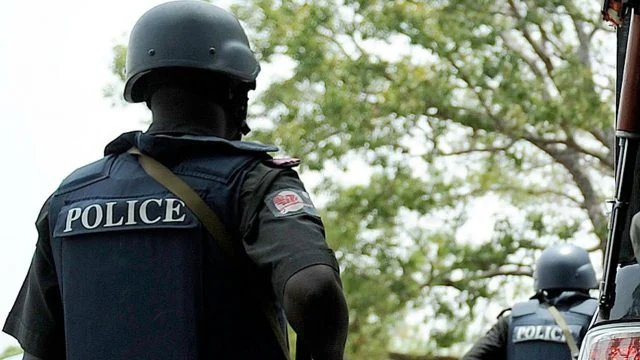
The Inspector-General of Police, Olatunji Disu, has told police officers to stop denying or delaying medical help to gunshot victims because of police rules.
Mr Disu said no one should face harassment or be denied quick medical care. He emphasized that saving lives should be more important than paperwork.
He made these comments on Thursday during the launch of a campaign aimed at promoting immediate medical treatment for gunshot victims. This is in line with the Compulsory Treatment and Care for Victims of Gunshot Act, 2017. The law states that hospitals must treat gunshot victims even if they do not have police reports.
The campaign was organized by the National Orientation Agency (NOA) in partnership with the International Committee of the Red Cross (ICRC). It took place in Abuja. The goal is to educate Nigerians about the law and ensure gunshot victims get quick medical help without needing police reports first.
Mr Disu was represented at the event by Aremu Bamidele, the Director of Legal Services of the Nigeria Police Force. He assured Nigerians that the police are committed to enforcing the law and protecting gunshot victims.
“The Nigerian Police Force remains fully committed to the faithful implementation of this law. We have consistently directed our officers that no victim of gunshot injury shall be subjected to harassment, delay or denial of medical care on account of police procedure. Saving lives must take precedence over paperwork and protection of the victim remains the overriding priority. This campaign is therefore timely and aligns with the renewed commitment of the force to professionalism, community partnership and respect for human rights in the discharge of our constitutional mandate under Section 4 of the Police Act 2020,” he said.
He also promised to keep working with medical professionals, civil society groups, and others to ensure that gunshot victims get quick medical help, even without police reports.
“I assure you of the continued collaboration of the Nigerian Police Force with medical practitioners, civil society and all stakeholders to ensure that no Nigerian dies from a preventable gunshot injury due to fear, ignorance or bureaucratic delay,” he added.
The Director-General of the NOA, Lanre Issa-Onilu, pointed out that delays in providing medical help to gunshot victims still happen. This is despite the law stopping these practices. He noted that misconceptions and fears about possible legal issues often cause these delays.
Mr Issa-Onilu stressed that victims need immediate medical attention, regardless of having police reports, as the law requires. “Every delay can have consequences, yet over the years, misconceptions, fear of legal or police complications and uncertainty about the responsibility of the hospitals and other stakeholders have sometimes created barriers to timely treatment,” he said.
Ayoola Olufemi, who represented the director-general, urged security agencies, healthcare providers, and others to prioritize saving lives over bureaucratic processes. He also called on the public to help gunshot victims get to the nearest hospital when they see them.
“The responsibility for making this principle a reality does not rest with the hospital alone. Security agencies, healthcare professionals and relevant institutions all have important roles to play. When an injured person is brought to the hospital, the priority should be providing necessary emergency care. When members of the public encounter a victim, they should be ready to assist in facilitating medical attention rather than allow misconceptions to prevent them from acting,” he said.
James Matthews, the Deputy Head of Delegation of the ICRC, also urged security agencies and healthcare workers to keep advocating for quick treatment of gunshot injuries to avoid unnecessary deaths. He asked Nigerians to learn about the law and help gunshot victims reach medical facilities when they meet them.
The Compulsory Treatment and Care for Victims of Gunshots Act, 2017, was made to stop avoidable deaths from delays or refusal of medical care for gunshot victims. Former President Muhammadu Buhari signed it into law in December 2017. This law requires all public and private hospitals in Nigeria to admit and offer immediate care to gunshot victims, regardless of whether they have police reports.
Section 1 of the Act gives gunshot victims the right to immediate medical help. Section 2 places a duty on everyone, including security personnel, to assist victims and make sure they get to the nearest hospital. It also states that treatment should not depend on an upfront payment and forbids torturing or treating victims inhumanely.
The law also allows for police investigations without stopping victims from accessing emergency care. According to Section 3, hospitals must inform the nearest police station within two hours of starting treatment. After that, police should look into how the shooting happened.
Section 4 says police officers cannot call victims from hospitals for questioning unless the Chief Medical Director says they are fit and no longer need urgent medical care. The Act also sets penalties for breaking its rules. Under Section 11, anyone or agency, including police or hospitals, that fails to do their duties leading to a gunshot victim's unnecessary death can face a fine of N500,000, five years in prison, or both.
Also, hospitals must inform the victim’s family within 24 hours of identifying the victim and keep proper records of treatment.




Comments
No comments yet.