Police Linked to 118 Civic Space Violations in 2025 - WSCIJ Report
The WSCIJ report shows the police are responsible for 54 percent of civic space violations. The findings raise concerns about media freedom in Nigeria.
The Nigeria Police Force is linked to 118 out of 245 civic space violations, according to a report by the Wole Soyinka Centre for Investigative Journalism (WSCIJ) about the state of journalism and civic space.
Edetaen Ojo, Executive Director of Media Rights Agenda, shared these findings on Tuesday during his presentation of the 153-page report on civic space violations. This event took place virtually on X Spaces.
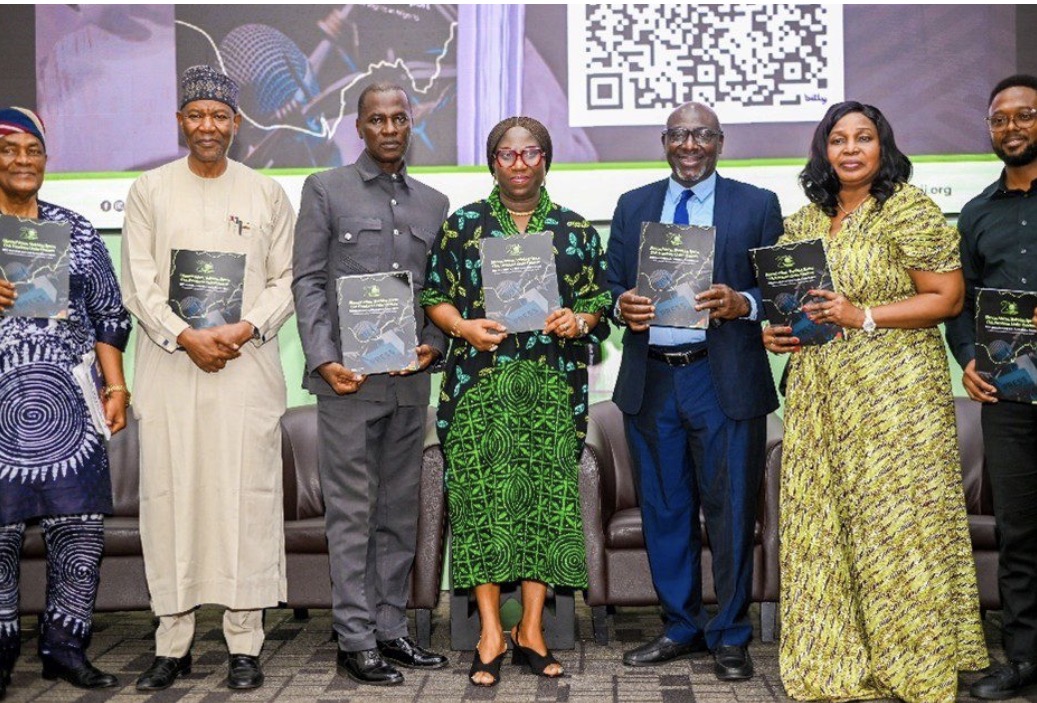
The report, named “Silenced Voices, Shrinking Space: Civic Freedoms Under Pressure,” is based on evidence from WSCIJ's monitoring of patterns of intimidation against media and civil society.
The findings reveal that 89 percent of the recorded violations were carried out by state actors, with the police responsible for 54 percent of those incidents.
Police Response
Aliyu Giwa, the police spokesperson, responded to the report by stating that the police are training 10,000 officers in election security management and human rights ahead of the 2027 elections.
Mr Giwa, represented by police superintendent Kondom Joseph, explained that while the police work to maintain law and order, they see journalists as key partners in society.
He pointed out that the police have internal systems, such as the Public Complaints Bureau, to investigate officer misconduct that could lead to dismissals or demotions.
The Conversation
The online event featured important voices, including human rights lawyer Ayo Obe; Peter Maduoma, executive director of the CLEEN Foundation; Edetaen Ojo, and Motunrayo Alaka, WSCIJ’s executive director and CEO.
Nabilah Usman, general manager of Radio Now 95.3 FM, moderated the discussion.
Mr Ojo spoke about a culture of impunity as a major issue, noting that many violations happen because offenders think they will not face proper punishment.
He urged for legal changes to close gaps that allow laws to be misused to limit legitimate expression and gathering.
Mr Ojo mentioned that journalists are crucial for democracy, accountability, and rule of law in Nigeria.
WSCIJ’s CEO, Mrs Alaka, added that media organisations must keep pushing for advocacy, even though state repression is a risk.
She noted that there have been more documented threats, especially during recent election cycles since 2021.
The report shows a rise in incidents during election periods and public protests in 2023, 2024, and 2025.
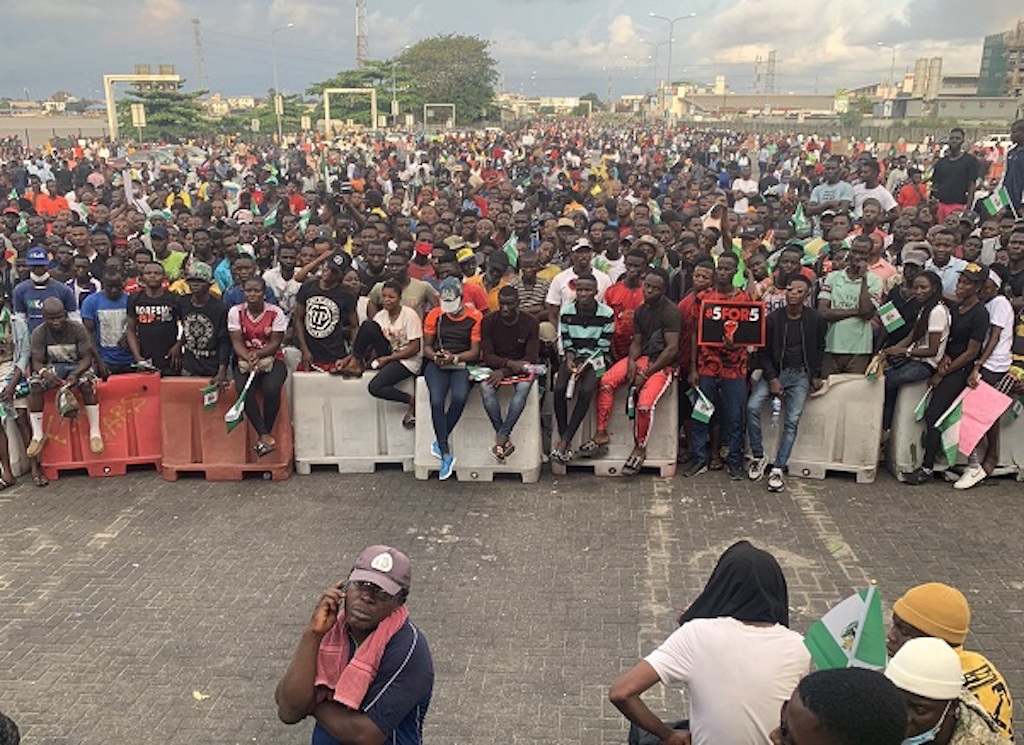
While journalists have faced the most issues historically, there is a worrying trend of increased harassment against ordinary citizens in civic spaces now.
Legal Perspective on Civic Rights
Human rights lawyer Ms Obe pointed out that while the constitution supports freedom of expression, journalists still face targeted harassment.
She warned against powerful individuals using laws like cyberbullying or criminal defamation to intimidate critics through wrongful arrests.
She also noted the lack of independent discretion by police when dealing with reports involving politicians.
Mr Maduoma from the CLEEN Foundation mentioned that there is a big gap in public trust between security agencies and civil society.
He said accountability must be a continuous process, involving sharing intelligence and community policing at the state level.
The Report
The 2025 Journalism and Civic Space Status Report, “Silenced Voices, Shrinking Space: Civic Freedoms Under Pressure,” analyzes reported civic space violations.
The incidents were tracked through monitoring of reports from 54 media organisations from January to December 2025.
“Data was collected through continuous monitoring of reports on civic space violations across physical and digital spaces. Every incident was verified through cross-checking with multiple credible sources before inclusion in the dataset. Where additional context was needed, Key Informant Interviews (KIIs) were conducted,” the report explained.
The report counted incidents reported by multiple media organisations as a single verified incident to prevent duplication.
It stated that the 245 incidents analyzed were referenced in reports from 54 media organisations, including 16 newspapers with print and online editors, 26 online-only news platforms, 10 television stations, and two radio stations.
The report concluded that Nigeria’s civic space is under serious pressure, despite the country’s democratic system and constitutional rights.
It also pointed out that the Nigeria Police Force was involved in 118 of the 219 incidents that involved state actors.
Comments
No comments yet.