Putting People First: What Our Leaders Must Do to Protect Lives
Senate President Akpabio's comments on suicide attempts highlight the urgent need for compassionate leadership in Nigeria. Mental health must be prioritized.


Senate President Godswill Akpabio
This is a chance to demand the leadership Nigerians need. Nigeria doesn’t need more punishment; it needs leaders who understand human suffering. The first step is clear: Attempted suicide must be decriminalised. People in crisis need care, not punishment. Criminalising it adds to stigma, worsens mental health issues, and blocks access to proper care. Also important is the full implementation of the National Mental Health Act.
“Keep life alive.”
Those were the words my late lecturer, Professor Albert Anjorin, repeated to us back in medical school. They are simple, human, and show that every life is worth protecting. It is sad that in 2026, I am hearing the opposite from Nigeria’s National Assembly.
Just four days after the 2026 World Mental Health Day, a week filled with stories of real experiences, awareness campaigns, and calls for compassion for those with mental health challenges, Nigerians faced a shocking statement. Words from Senate President Godswill Akpabio went viral: “If you attempt suicide, make sure you die. Anyone who attempts and fails will go to jail.”
Once said, words cannot be taken back. These comments hit hard against the progress Nigeria has made, from repealing the Lunacy Act of 1958 to passing the National Mental Health Act in 2022. For years, advocates have worked to help Nigerians understand a simple fact: anyone can have a mental health issue. Mental health problems do not care about tribe, class, religion, or political position. Research shows that one in four to five Nigerians live with a mental health condition. With worsening issues like bad governance, insecurity, unemployment, and failing amenities, the numbers may be even higher. The story below reflects this larger reality.
“At twenty-eight, Daniel often felt older than his age, as trauma ages people in ways birthdays never do. Fifteen years had passed since the night insurgents attacked his village, leaving behind ashes and sad memories. Daniel remembered his father’s strong voice resisting the attackers. He also remembered how quickly courage can vanish with gunfire. His mother’s fate was worse. Daniel saw what no child should see. He survived only because his father hid him under rusty roofing sheets just before the attackers reached their home. He lay there, listening to the horror above, praying for a miracle that never came. Since then, Daniel has lived with survivor’s guilt, depression, and post-traumatic stress disorder, words he learned much later. He tried to rebuild his life, but trauma clung to him like a second skin. Jobs slipped away. Relationships faded under memories he could not silence. Even paying for medications became a heavy burden. His aging uncle and cousin did their best. They offered shelter, food, and comfort. They sat with him during tough times, prayed with him when he felt lost, and took him to therapy. His faith community supported him, reminding him that survival is not weakness but strength. Still, there were nights when Daniel felt like a burden. He often wondered if life was worth holding on to. But each time he fell, someone pulled him back, a cousin’s hand on his shoulder, a therapist’s kind words, a pastor’s reminder that healing takes time. These small acts of care kept him going. Then one day, while waiting outside the clinic for his appointment, Daniel heard a statement on his phone, a voice from someone he trusted saying that anyone who attempted suicide should ‘make sure they die,’ and that those who survived should be jailed. For a moment, Daniel felt himself slipping again. But then he remembered his uncle’s voice, his cousin’s laughter, his therapist’s steady support, and his community’s prayers. He remembered that surviving is not a crime. It is bravery. He whispered to himself, ‘I am still here,’ and in that moment, he chose to hold on.”
For years, advocacy has focused on education, thinking misunderstanding causes stigma. But everything changes when a senior lawmaker suggests jailing people who survive suicide attempts. What message does that send to Nigerian youths, who make up over 60 percent of our population? To the teens facing suicidal thoughts? To adults dealing with depression, economic hardship, or trauma?
Suicide is the third leading cause of death for young people aged 15, 29. Nigeria has about 15,000 suicide deaths yearly, and for every life lost, 20 to 25 people try to end their lives. Each suicide also deeply affects about 135 people, leading to over two million suicide loss survivors. These numbers are likely low, especially in Nigeria where suicide is still misunderstood, stigmatised, and even criminalised, which leads to under-reporting. Nigeria is one of the few places where surviving a suicide attempt can still lead to jail time. Under Section 327 of the Criminal Code and Section 231 of the Penal Code, individuals may face up to 12 months in jail, even though the Federal Government has promised to decriminalise attempted suicide.

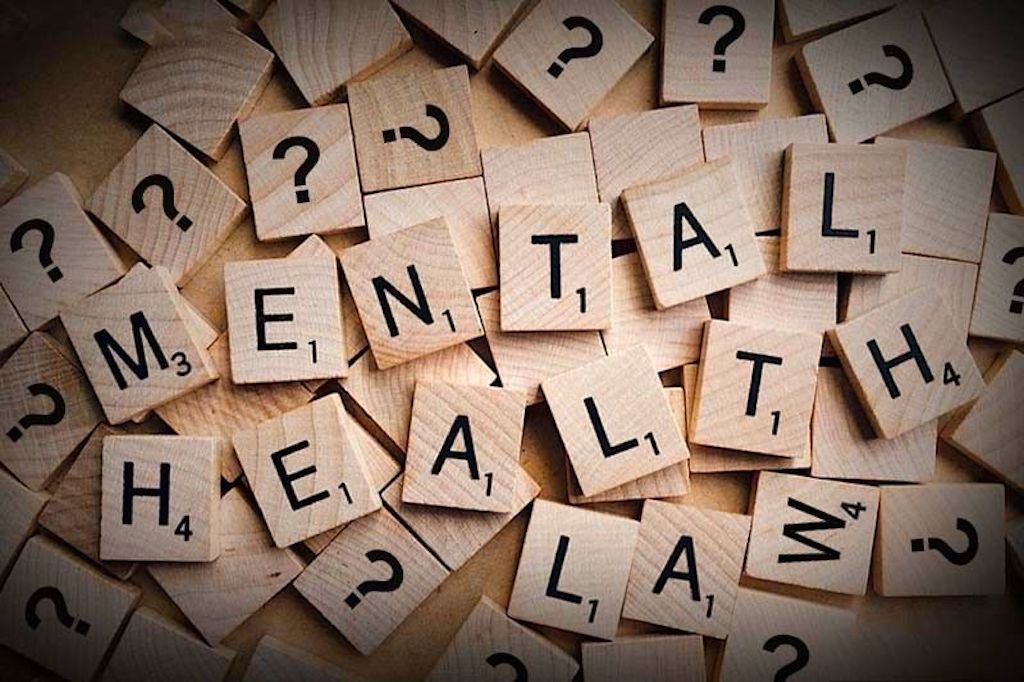
For years, advocacy has focused on education, thinking misunderstanding causes stigma. But everything changes when a senior lawmaker suggests jailing people who survive suicide attempts. What message does that send to Nigerian youths, who make up over 60 percent of our population? To the teens facing suicidal thoughts? To adults dealing with depression, economic hardship, or trauma? Sadly, being vulnerable is seen as a crime. Can this be a failure of governance or a deep moral problem? Interestingly, some lawmakers who laughed during discussions may later seek mental health care quietly when they or their loved ones need urgent support to avoid serious consequences. The hypocrisy is painful.
This moment gives us a chance to demand the leadership Nigerians need. Nigeria does not need more punishment; it needs leaders who understand human suffering. The first step is clear: Attempted suicide must be decriminalised. People in crisis deserve care, not punishment. Criminalisation adds to stigma, worsens mental health issues, and blocks access to proper care. Equally urgent is the full implementation of the National Mental Health Act. Three years after it passed, it is still largely inactive, leaving millions without the protection, services, and funding it promises. Nigerians should not wait endlessly for a law meant to protect their wellbeing. Our youth, who represent the future of Nigeria, need safe spaces, guidance, opportunities, and accessible mental health support. Real progress also requires investment in mental health services. Community treatment centers, crisis hotlines, trained professionals, and integration of mental health services into primary healthcare should be national priorities.
To paraphrase Senator Asuquo Ekpenyong’s view: When someone reaches the point of giving up and tries to end it all, we should protect, support, and never punish. The future of this nation depends on how seriously we take the mental wellbeing of its people. It is time for our lawmakers to take that responsibility seriously. Governance should never dismiss pain, and policies must not criminalise suffering. They should strengthen systems that uphold healthcare, dignity, and protection from despair.
Mental health is linked to the conditions people live in: security, jobs, education, and access to basic needs. Tackling these social issues would significantly lower the growing number of mental health conditions, and lawmakers must treat this as a key governance issue. National awareness campaigns led by the government can help reduce stigma and encourage people to seek help. None of this should happen in isolation. Working together is essential. Nigeria has psychiatrists, other experts, and civil-society groups already doing the work. Lawmakers should work with them, not undermine their efforts. Nigeria deserves leaders who see mental health as a national issue, leaders who speak with empathy, make wise laws, and act quickly. Leaders who understand that when someone feels like giving up, surviving should be celebrated, not punished.
To paraphrase Senator Asuquo Ekpenyong’s view: When someone reaches the point of giving up and tries to end it all, we should protect, support, and never punish. The future of this nation depends on how seriously we take the mental wellbeing of its people. It is time for our lawmakers to take that responsibility seriously. Governance should never dismiss pain, and policies must not criminalise suffering. They should strengthen systems that uphold healthcare, dignity, and protection from despair. We should also consider a fitness assessment for anyone seeking political office to make sure those in charge of millions of lives have the right judgment and emotional balance for public service.
We cannot change the past, but we can choose a kinder future. A future where survival is valued, vulnerability is supported, and every Nigerian knows their life is worth holding on to.






Comments
No comments yet.