Rarara's New Song Sparks Debate Over Political Music in Northern Nigeria
A new song by Rarara supporting APC candidate Jamilu Gwamna has stirred debate in northern Nigeria over political music and its impact on elections.
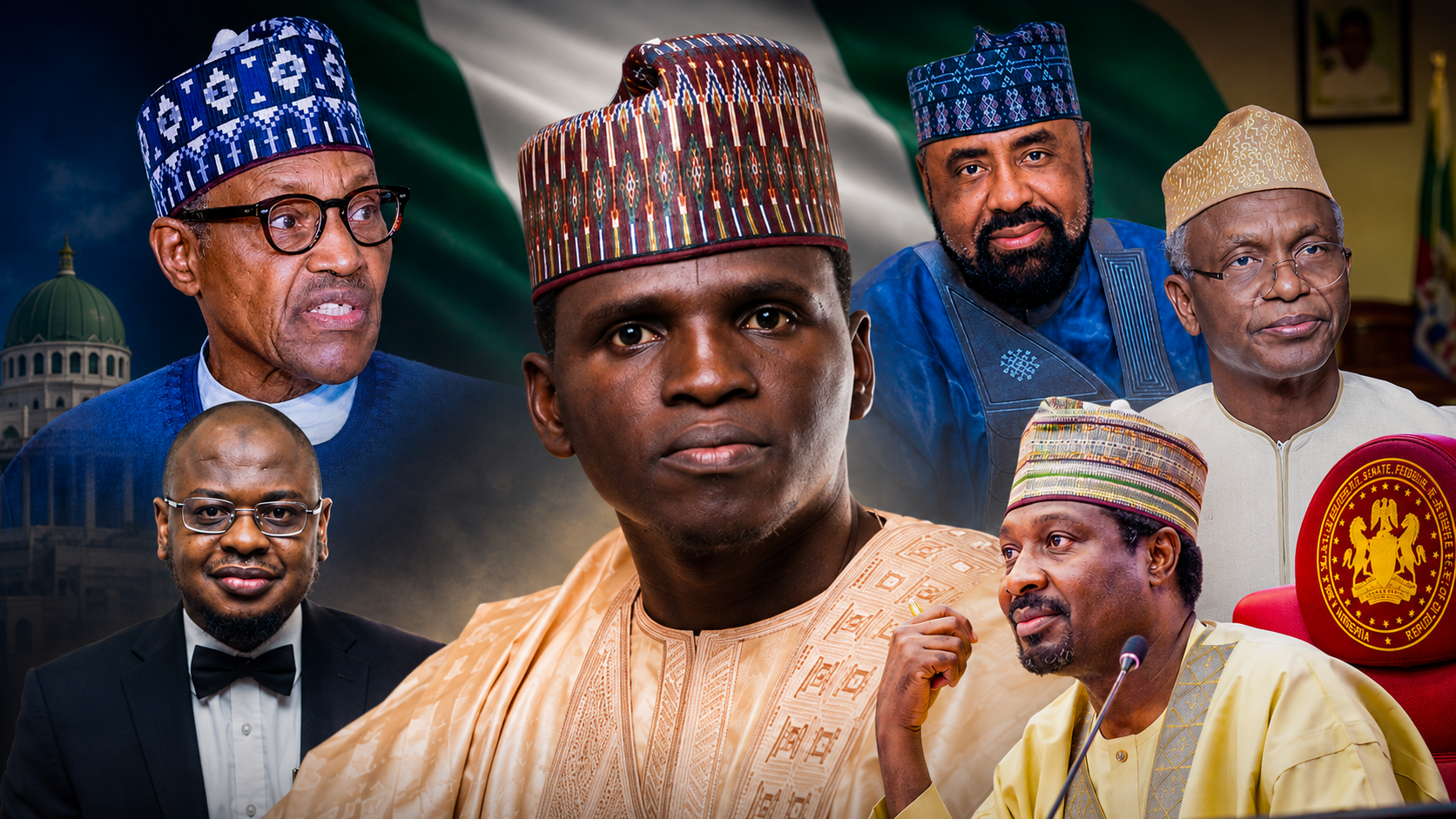
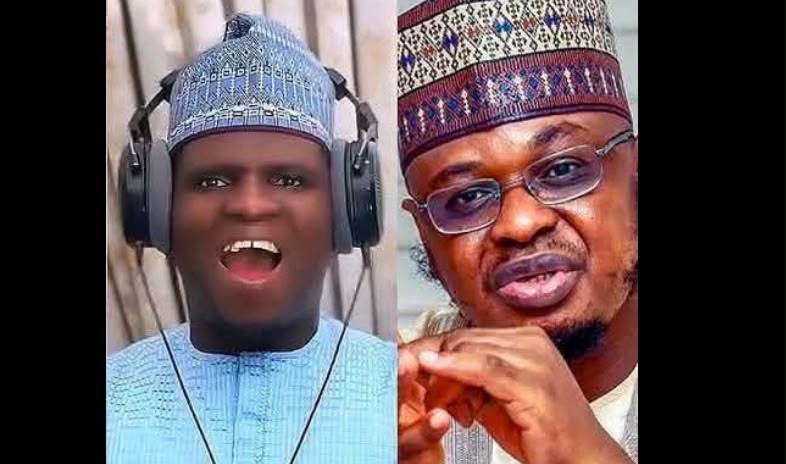
A new political song by popular Hausa musician Dauda Kahutu, known as Rarara, has caused a stir in northern Nigeria. Politicians, religious leaders, lawyers, civil society members, and social media users are arguing whether the musician has crossed a line with his political criticism.
Released on Thursday, the song supports Jamilu Gwamna, the governorship candidate of the ruling All Progressives Congress (APC) in Gombe State. The lyrics are widely seen as aimed at Isa Pantami, the former Minister of Communications and Digital Economy, who is now the governorship candidate for the opposition People’s Democratic Party (PDP).
Even though Rarara does not mention Pantami by name, the content of the song makes it clear to political observers who he is targeting.
The lyrics include claims that some critics say are defamatory and lack publicly available proof.
The song quickly spread across Facebook, X, TikTok, WhatsApp, and YouTube, pulling in millions of views and becoming one of the hottest topics in northern Nigeria.
Political music has a special place in northern Nigeria’s political culture.
For years, musicians have created campaign songs to rally supporters, celebrate wins, and criticize rivals. These songs have shaped political discussions just like campaign rallies and media ads.
No other contemporary political musician has made as big an impact as Rarara.
From former President Muhammadu Buhari’s campaigns to governorship elections in northern states, his songs became key to APC campaigns, giving him national fame and significant political clout.
But his latest song has reignited the debate on where political expression stops and personal attacks start.
Commenters told PREMIUM TIMES that while political criticism is fine in democracy, claims against public figures should be backed by facts.
The responses to the song have been mostly negative.
Many social media comments accused Rarara of moving away from constructive political talk to personal insults.
Bilkisu Sani, a social media commenter, said the singer seems empowered by his political ties.
“Since he has National Security Adviser Nuhu Ribadu, whom he often shows off on social media as his godfather, he attacks everyone without limits. He thinks he is untouchable. That is not a good example.”
Many have said that attacking an Islamic scholar like Pantami could worsen political and religious divides, especially with Nigeria facing high political tensions ahead of the 2027 elections.
“Political campaigns should focus on ideas, skills, and policies, not on ruining reputations. This trend is risky for our democracy,” says Abdulrashid Ibrahim.
Several commenters argued that political campaigns should stick to discussing ideas, governance, and policy plans instead of insults that seem personal.
On the other hand, some APC supporters defended the song, saying political music has always used satire and criticism.
Amina Muhammad, a public affairs commentator, said politicians should stop messages that promote personal attacks.
“Millions of young people follow Rarara. When well-known artists normalize snide remarks and unverified claims, they send the wrong message about politics.”
Kabiru Musa, a civil rights advocate, said the song could increase political tensions.
“Freedom of expression comes with responsibility. You can criticize public figures without using harsh language that could stir up hate.”
Sadiq Lawal, a lawyer in Kano, pointed out that freedom of speech has limits.
“If someone thinks false statements have been made about them, Nigerian law offers legal options. Political music is not above the law.”
Another commenter, Maryam Garba, said the debate should push political figures to raise the standards in campaigns.

“The North has a rich history of political songs that teach and motivate. We should not turn that legacy into personal attacks that distract voters from real issues.”
Others argued that artists still have the constitutional right to express themselves, even if their work stirs controversy.
One of the main critics is former Minister of Youth and Sports Development, Solomon Dalung, who said the song shows a worrying drop in the quality of political communication in northern Nigeria.
Dalung said political music, once used to inform and motivate voters, is now often a platform for mocks and character attacks.
Islamic cleric Alkali Zaria also criticized the song, saying political rivalry should not justify insults against religious leaders.
He urged politicians, musicians, and supporters to be careful and avoid language that could increase division in society.
He emphasized that political disagreements should remain respectful, no matter the differences.
Another cleric, Bello Mohammed, speaking to PREMIUM TIMES in Kaduna, questioned Rarara’s political loyalty.
“Rarara is a betrayer. He has done this to nearly everyone who supported him. He has fallen out with El-Rufai, Kwankwaso, Shekarau, and Barau Jibrin. One day, he might do the same to Tinubu and Nuhu Ribadu, who are currently seen as his political benefactors.”
The cleric’s comments have spread widely on social media.
Despite the growing criticism, Rarara has not indicated he will take back the song.
In an interview in Hausa with Radio France Internationale (RFI), he said he will not be intimidated by negative opinions about his song.
When asked if he feared legal action over the lyrics, he said he is ready to defend himself.
He insisted that the song was made only to support his chosen governorship candidate and the APC.
This controversy has also brought back discussions about Rarara’s shifting political relationships over the years.
He became well-known as a strong cultural voice backing former President Buhari and the APC.
His campaign songs became a big part of Buhari’s electoral brand and were regularly played during political rallies in northern Nigeria.
However, soon after Buhari left office in 2023 and President Tinubu took over, Rarara surprised many by releasing songs sharply criticizing Tinubu’s government over economic issues, inflation, and cost of living.
Though he later returned to supporting the ruling party, this incident strengthened the view among critics that his political ties change with the political climate.
Besides Buhari and Tinubu, Rarara has also at different times supported or worked with other notable northern politicians, including former Kaduna State Governor Nasir El-Rufai, former Kano Governor Rabiu Musa Kwankwaso, former Kano Governor Ibrahim Shekarau, and Deputy Senate President Barau Jibrin.
As political activity ramps up for the 2027 general elections, parties are increasingly using musicians, comedians, and social media influencers to shape public views.
Political communication experts say that while campaign music is an important part of democracy, using personal attacks and unverified claims risks lowering the quality of political discussions.
Legal experts also say that although freedom of expression is protected by the constitution, it does not shield people from possible civil action for alleged defamatory statements.
As of Monday, Pantami had not responded to the song publicly.
For now, the debate over Rarara’s latest song continues to dominate talks in northern Nigeria, showing deeper worries about the tone of political campaigns and the responsibilities that come with artistic influence.
Comments
No comments yet.