Reps want investigation into Nigerian losses from South Africa violence
The House of Representatives is set to investigate the losses Nigerians have suffered from ongoing xenophobic violence in South Africa, highlighting a long history of support.
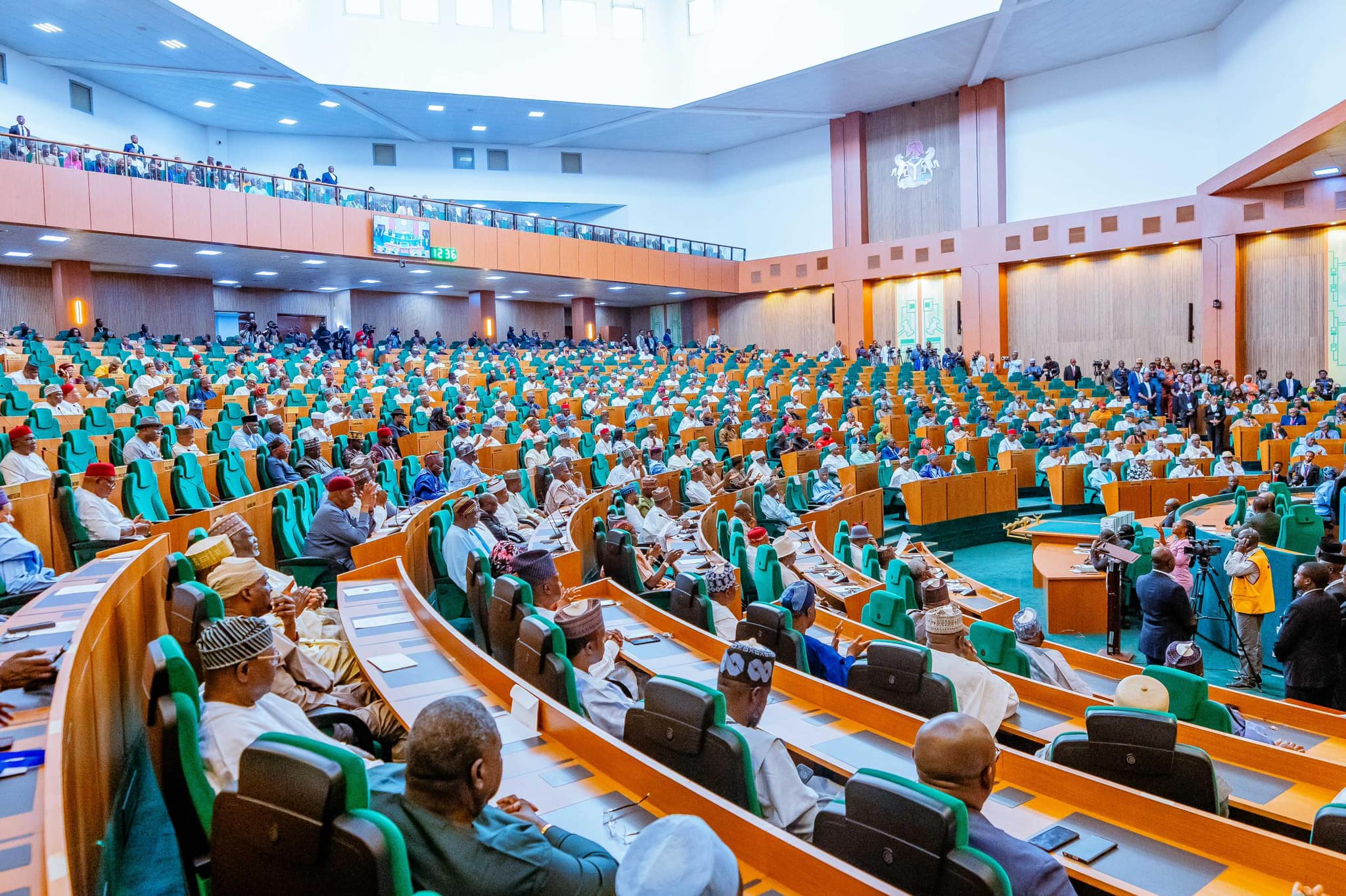
The House of Representatives on Tuesday decided to look into the human and economic losses Nigerians faced in ongoing xenophobic attacks in South Africa. They highlighted years of killings, destroyed businesses, forced displacement, and rising anti-foreigner sentiments against African migrants.
This decision came after a motion from Babajimi Benson (APC, Lagos). He pointed out that despite many years of diplomatic protests and condemnations, Nigeria has never fully assessed how much its citizens lost in South Africa.
During the discussion, Mr. Benson reminded everyone of Nigeria’s significant role in South Africa’s fight against apartheid. He said Nigeria provided a lot of diplomatic, financial, and political support to the movement.
He noted that Nigeria supported South Africa at the United Nations, the Commonwealth, and the Organisation of African Unity. Nigeria also set up the Southern African Relief Fund, gave scholarships to South Africans, and made economic sacrifices to help the fight for freedom.
Mr. Benson said that despite this long history, Nigerians living legally in South Africa have been victims of repeated xenophobic violence for almost two decades. He described the attacks as marked by killings, mob violence, assaults, arson, looting, destruction of property, intimidation, and hate campaigns mainly aimed at African migrants.
“Notwithstanding this historic relationship, Nigerians residing lawfully in the Republic of South Africa have, for nearly two decades, remained recurrent targets of xenophobic violence characterised by killings, mob attacks, physical assaults, arson, looting of businesses, destruction of properties, forced displacement, intimidation and hate campaigns principally directed at African migrants,” he said.
Mr. Benson noted that major outbreaks of xenophobic violence happened in 2008, 2015, 2017, 2019, and 2021, with more incidents in subsequent years. He stated that each wave of attacks hurt the relationship between Nigeria and South Africa, forced emergency evacuations of Nigerians, and was followed by promises from South Africa to prevent future attacks.
He expressed concern over a new wave of coordinated anti-foreigner campaigns, driven by hate speech from groups like Operation Dudula and others. He said these campaigns have created fear among Nigerians in South Africa, leading many to leave their homes, businesses, and investments after receiving threats.
He also pointed out that although past National Assembly sessions have debated motions condemning xenophobic attacks and called for diplomatic talks, no investigation has established the actual number of Nigerians killed, hurt, or displaced, or calculated the economic losses over the years.
“None has culminated in a comprehensive legislative enquiry to establish the actual number of Nigerians killed, injured, displaced or the aggregate economic losses suffered by Nigerian citizens over the years,” he said.
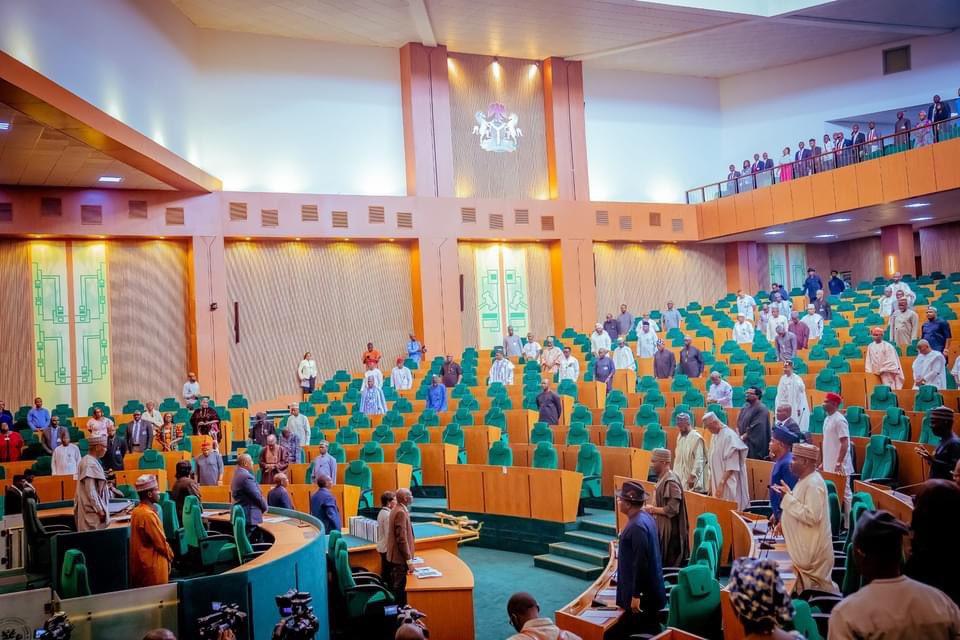
Mr. Benson argued that lacking verified data has weakened Nigeria’s ability to engage diplomatically, create proper policies, or seek compensation for those affected. He said a full legislative inquiry is needed to find out who is responsible for the latest attacks and to document the human, economic, and social impacts of xenophobic violence against Nigerians.
He added that the findings would help in creating a basis for legislative action, diplomatic talks, and better systems to protect Nigerians living abroad. Supporting the motion, Paschal Agbodike (APC, Anambra) asked the federal government to think about compensating Nigerians who returned home after losing everything during the attacks.
“I’m looking at how to compensate those who have been repatriated from South Africa because I watched video clips showing where South African citizens looted the properties of Nigerians immediately after they left the country,” he said.
“It means their target was the businesses of our people. I’m from the South-east geopolitical zone, and many of my people are affected. They are calling on the Nigerian Government to assist them because they returned home empty-handed.
“Our people are law-abiding, and we must ensure such incidents do not happen again. That is why I am passionate about this motion,” Mr. Agbodike said.
Speaker Abbas Tajudeen, who led the discussion, encouraged the lawmakers to actively take part in the committee’s work when the investigation starts. “I understand. Once this is referred to the relevant committees, I would want to see you being active in whatever deliberation will take place at the committee level,” the speaker said.
After the debate, the House passed the motion and told the Committees on Diaspora and Foreign Affairs to investigate the losses and damages suffered by Nigerians during past and recent xenophobic attacks in South Africa.
The committees were also tasked with listing properties left behind by Nigerians due to the violence and suggesting diplomatic actions, legal steps, and partnerships to ensure those responsible are held accountable. They also need to make sure Nigerians in South Africa are protected and that international human rights obligations are followed.
The House gave the committees four weeks to submit their report for further action.


Comments
No comments yet.